 newzechoblog
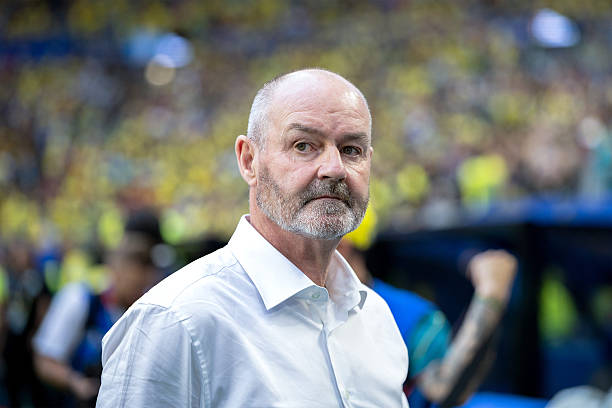
Former Scotland manager Steve Clarke used his final reflections as national team boss to deliver an unexpected message involving Celtic to criticize the club, but to pl its contribution to Scottish football and highlight why he believes the national side can continue progressing despite his departure.
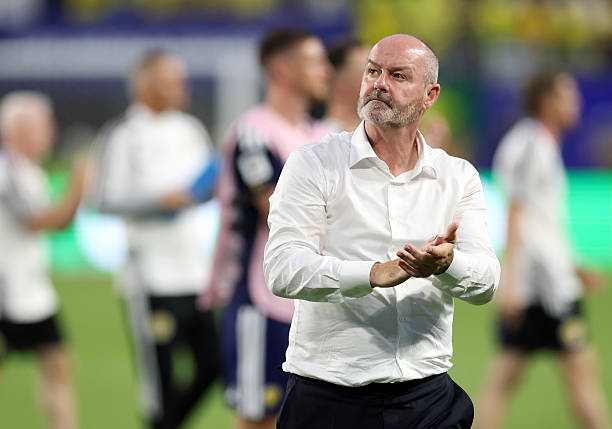
Clarke resigned in the aftermath of Scotland’s group-stage exit from the 2026 FIFA World Cup, ending a seven-year spell in charge. Although many expected his farewell to focus solely on Scotland’s disappointing campaign, the former boss instead pointed to the importance of clubs such as Celtic in producing leaders and maintaining standards for the national team.
Speaking in his final interview, Clarke explained that he remained optimistic about Scotland’s future because of the quality of players emerging from clubs competing regularly at a high level. Celtic, in particular, received recognition for consistently developing footballers capable of handling the pressures of domestic title races and European competition.
His comments came as something of a surprise given the frequent tensions that can exist between international managers and club sides over player availability, fitness and scheduling. Rather than reopening old debates, Clarke chose to acknowledge the role Celtic have played in strengthening Scotland’s player pool.
The timing was significant. Clarke had just overseen another major tournament, having already guided Scotland to UEFA Euro 2020, Euro 2024 and finally the 2026 World Cup the country’s first appearance at football’s biggest tournament since 1998. While qualification represented historic progress, Scotland again failed to advance beyond the group stage, something Clarke admitted had weighed heavily on him.

In explaining his resignation, Clarke revealed that he had already decided before the tournament that failing to reach the knockout rounds would probably signal the end of his tenure. He admitted that advancing from the group would likely have persuaded him to remain in charge, but falling short convinced him it was “the right time to step away.”
That context makes his comments about Celtic even more notable. Instead of dwelling on disappointment or assigning blame, Clarke looked ahead, arguing that Scotland’s future rests on clubs continuing to develop technically gifted, mentally resilient players.
Celtic have long formed the backbone of many Scotland squads, with experienced internationals such as captain Callum McGregor helping set standards within the national setup before his retirement from international football. Clarke has repeatedly praised the professionalism and leadership shown by players coming through successful club environments.
Throughout his seven years in charge, Clarke often relied on a core of players representing Scotland’s biggest clubs alongside those competing in England’s Premier League and Championship. He believed that exposure to high-pressure matches was invaluable when Scotland reached major tournaments.
The former manager also reflected on achieving the biggest ambitions of his coaching career. He said leading Scotland to multiple European Championships and, ultimately, the World Cup meant he had “ticked all the boxes.” That sense of fulfilment made his decision easier, despite having only recently signed a contract extension.
His departure shocked many supporters because the Scottish Football Association had announced a new long-term deal shortly before the World Cup. However, Clarke explained that the extension was designed to provide stability for the squad rather than guarantee he would remain regardless of results. Once Scotland’s elimination became official, he informed his players that his time was over.
As Scotland now begin the search for a new manager, Clarke’s final remarks served less as a farewell than as a vote of confidence in the country’s football structure. His unexpected message involving Celtic was ultimately one of appreciation rather than controversy, recognising that sustained success at club level is essential if Scotland are finally to break their long-standing barrier of reaching the knockout stages at a major international tournament.
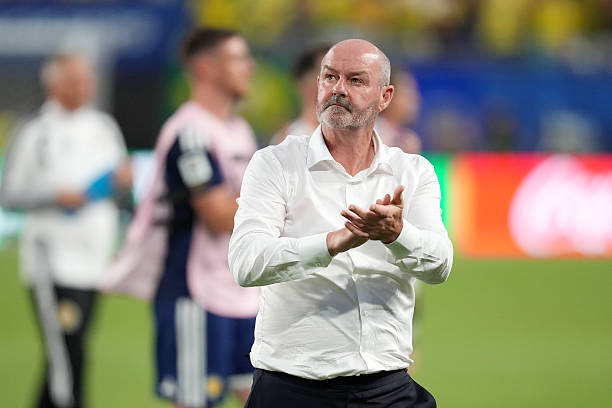
While Clarke leaves with the frustration of another group-stage exit, he also departs having transformed Scotland from perennial underachievers into regular tournament qualifiers. His closing message suggested that clubs like Celtic will remain central to the next chapter, providing the experience, leadership and winning mentality needed for whoever succeeds him to build upon the foundations he established.

 Ejima hassan
 Haruna Onimisi
 newzechoblog