newzechoblog
Roy Keane delivered a fierce criticism of World Cup officiating after Morocco’s convincing 3-0 victory over Canada, claiming tournament officials had repeated the same errors that frustrated Scotland earlier in the competition.
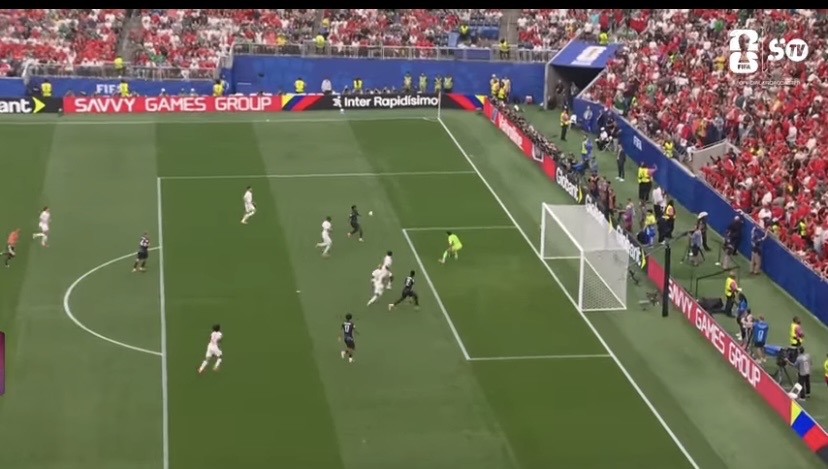
Morocco produced a ruthless second-half display to eliminate co-hosts Canada and secure a place in the quarter-finals, with Azzedine Ounahi scoring twice before Soufiane Rahimi added a late third goal. While the final scoreline suggested a comfortable evening for the Atlas Lions, Keane insisted the officials had once again failed to deal consistently with key moments involving Morocco.
Speaking during the post-match analysis, the former Manchester United captain argued that Canada experienced many of the same frustrations Scotland encountered during their 1-0 group-stage defeat against the North African side.
Keane, never one to hold back his opinions, suggested there had been a worrying pattern in the refereeing whenever Morocco were involved. According to him, Canada found themselves on the wrong side of crucial decisions, just as Steve Clarke’s Scotland had weeks earlier.
The Irishman referenced the controversial Scotland encounter, where the Scots believed they should have been awarded at least one penalty after appeals involving John McGinn and Scott McTominay were waved away. Those incidents generated significant debate after the match, with Scotland feeling they had been denied an opportunity to rescue a result.
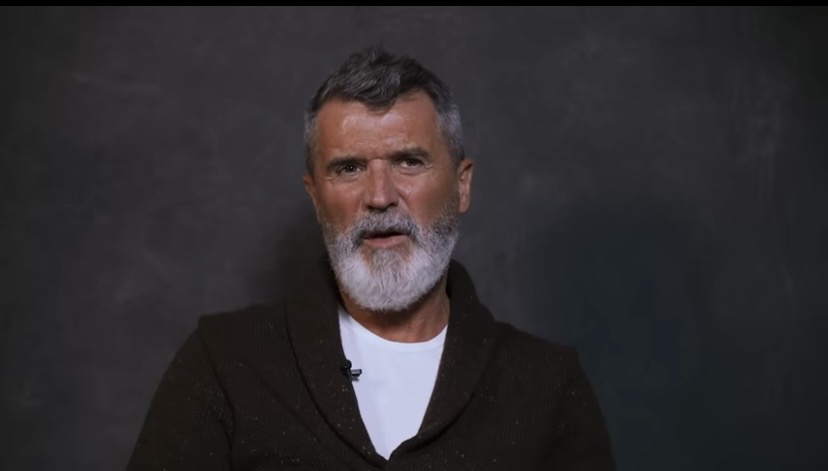
Ironically, Keane’s position during that Scotland match was different. At the time, he dismissed McTominay’s appeal, insisting the midfielder had been looking for contact rather than being clearly fouled. “I don’t think it’s a penalty. I think he’s looking to go down,” Keane said during his live television analysis.
However, following Canada’s defeat, Keane broadened his criticism beyond individual penalty decisions and focused on what he viewed as inconsistent officiating throughout Morocco’s matches.
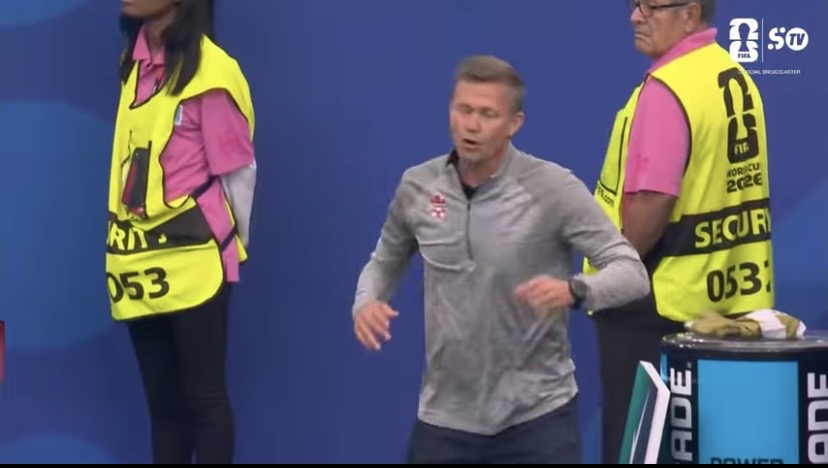
Canada actually enjoyed an encouraging opening period in Houston, creating several promising opportunities and forcing Morocco goalkeeper Yassine Bounou into important saves. But despite their bright start, Jesse Marsch’s side failed to make their pressure count.
Morocco completely transformed the contest after the interval.
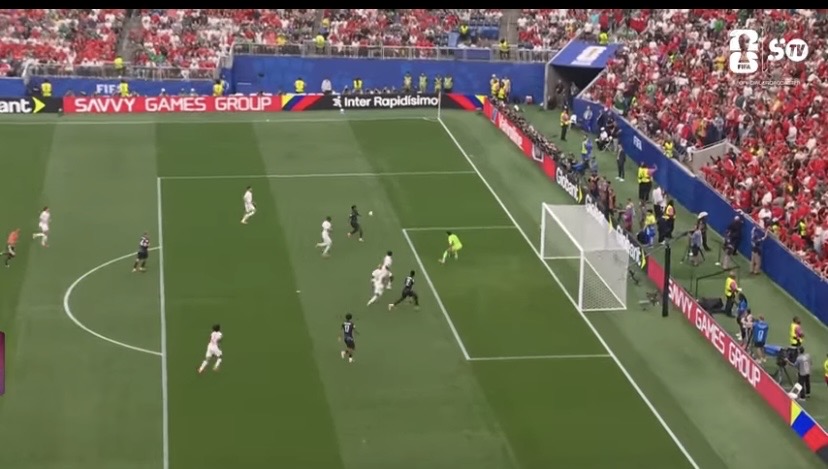
Ounahi broke the deadlock with a cleverly worked free-kick routine before doubling his tally later in the match. Rahimi’s stoppage-time finish sealed a 3-0 victory that perhaps looked harsher than Canada’s overall performance deserved.

Keane argued that moments during the contest again left questions over the officials’ decision-making, suggesting Canada could rightly feel aggrieved even if Morocco ultimately proved the more clinical side.
The former Republic of Ireland midfielder acknowledged Morocco’s quality but maintained that referees must apply the laws consistently regardless of the occasion or the teams involved.
His comments sparked immediate debate among supporters, particularly because of his earlier dismissal of Scotland’s penalty claims. Some fans pointed out the apparent contradiction, while others agreed with his broader argument that officiating standards throughout the tournament had lacked consistency.
Scotland’s defeat to Morocco had already become one of the World Cup’s most controversial matches from an officiating perspective. The Scots appealed strongly for penalties after challenges involving both McGinn and McTominay, while manager Steve Clarke later described one of the incidents as a genuine “50/50” decision that could easily have gone in his team’s favour.
Although Keane dismissed McTominay’s claim during the live broadcast, the overall refereeing performance remained heavily criticised by many observers, with debate continuing long after the final whistle.
Canada now join Scotland among the teams eliminated after losing to Morocco, although the Canadians exit with plenty of credit after reaching the knockout rounds for the first time in their history.
Marsch was understandably disappointed with the result but praised his players for their commitment and even claimed Canada had been the better team for long periods despite suffering a heavy defeat. He pointed to missed chances and Morocco’s superior finishing as the biggest difference between the sides.
For Morocco, meanwhile, the victory continues another remarkable World Cup campaign. Having reached the semi-finals in 2022, they have now secured another place in the last eight and strengthened their reputation as one of international football’s most dangerous tournament teams. Their disciplined defending and devastating efficiency in front of goal once again proved decisive against talented opposition.
Whether Keane’s latest criticism of the officials gains wider support remains to be seen, but true to form, the outspoken pundit ensured the conversation after Morocco’s victory extended well beyond the football itself. His willingness to challenge referees, governing bodies and accepted narratives continues to make him one of the most talked-about voices in television football coverage.

 newzechoblog

 Haruna Onimisi