newzechoblog
Norway’s dramatic 2-1 World Cup quarterfinal defeat to England has sparked a wave of controversy, with furious reactions from players, coaches, pundits and media dominating headlines around the world. While England celebrated another famous victory that booked their place in the semifinals, many in Norway believe crucial refereeing decisions changed the course of the match.
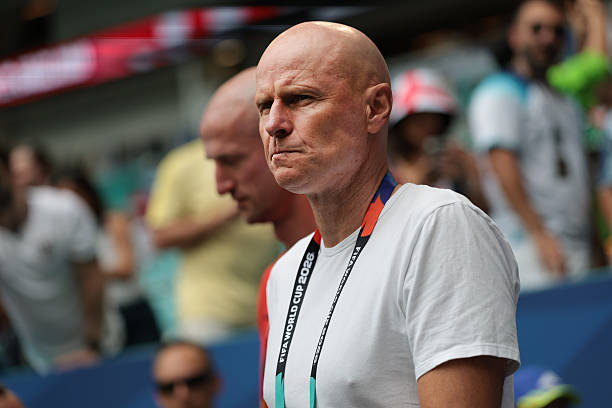
The biggest talking point came after Jude Bellingham’s equalising goal. Norway manager Ståle Solbakken insisted the ball had struck the overhead spider camera cable moments before England’s attack developed. According to the Laws of the Game, if the ball touches an outside object during play, the referee should stop the match and restart with a dropped ball.
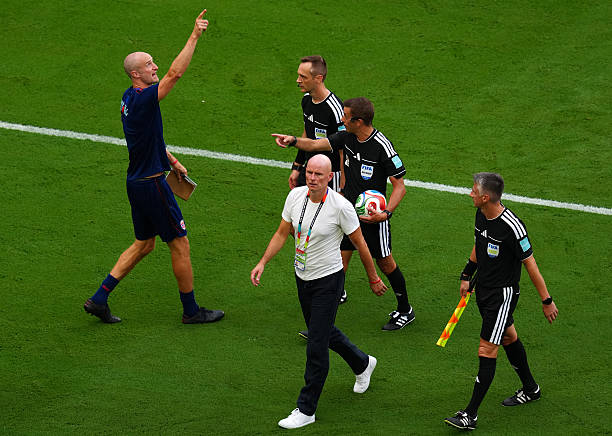
Solbakken claimed everyone on the Norwegian bench saw the ball change direction unnaturally and immediately protested to the fourth official before confronting referee Clément Turpin during the halftime interval. He described the incident as “bizarre” and argued that the equaliser should never have stood.
The controversy intensified when FIFA reportedly explained that the electronic sensors inside the official match ball detected no contact with the cable. Those sensors, often referred to as the ball’s tracking technology, reportedly registered no impact that would have required play to stop. England manager Thomas Tuchel accepted FIFA’s explanation, saying modern technology had already proven reliable earlier in the tournament.
However, Norwegian media refused to let the issue rest. Several major outlets accused the officials of making a decisive error that ultimately changed the outcome of one of the biggest matches in Norway’s football history. Television debates, newspaper headlines and social media discussions quickly turned into fierce criticism of the refereeing team and the use of VAR.
The anger did not stop there.
Another controversial moment arrived when Norway thought they had scored what would have been a crucial goal, only for it to be ruled out following a lengthy VAR review. Officials judged Erling Haaland to have committed a foul in the build-up, leaving Norwegian players stunned. The decision immediately divided opinion among former professionals and television analysts, with several believing there was insufficient contact to justify overturning the goal.
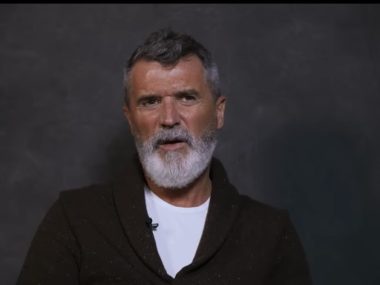
Former Manchester United manager Ole Gunnar Solskjær also weighed in after the match. Speaking in the aftermath of the defeat, he questioned the decisions and suggested Norway had every reason to feel aggrieved. His comments quickly spread across football media, adding even more fuel to an already heated debate.
Across social media, supporters from around the world were split. England fans argued that the officials followed the available technology and the Laws of the Game, while Norwegian supporters insisted common sense should have prevailed. Videos of the alleged cable contact were shared millions of times as fans attempted to analyse every available replay frame by frame.
Even neutral supporters became involved, debating whether football’s increasing reliance on technology has actually made controversial moments even more divisive instead of eliminating them.
Despite the storm surrounding the officiating, England showed tremendous resilience throughout the contest. Thomas Tuchel admitted after the match that his side had been fortunate at times and criticised aspects of their performance, describing England as sloppy and acknowledging they needed significant improvement before the semifinal.
Jude Bellingham once again produced a match-winning display, while England’s determination under pressure impressed many observers. Although the Three Lions did not produce their most fluent football, they found a way to overcome a talented Norwegian side packed with attacking quality.
Norway, meanwhile, left the tournament with immense pride despite the heartbreak. Their run to the quarterfinals included memorable victories and proved they belong among the world’s strongest national teams. Nevertheless, the manner of their exit is likely to remain a painful talking point for years.
Whether the refereeing decisions were ultimately correct or not, one thing is certain: the controversy has become one of the defining stories of this World Cup. The debate over technology, VAR and officiating standards will continue long after the final whistle.
England now move one step closer to ending their long wait for World Cup glory, but they do so carrying the weight of one of the tournament’s biggest controversies. Norway’s allegations have captured global attention, ensuring that this dramatic quarterfinal will be remembered not only for England’s victory but also for the questions that continue to surround the decisive moments.

 newzechoblog
 Abdul Azeez

 Haruna Onimisi