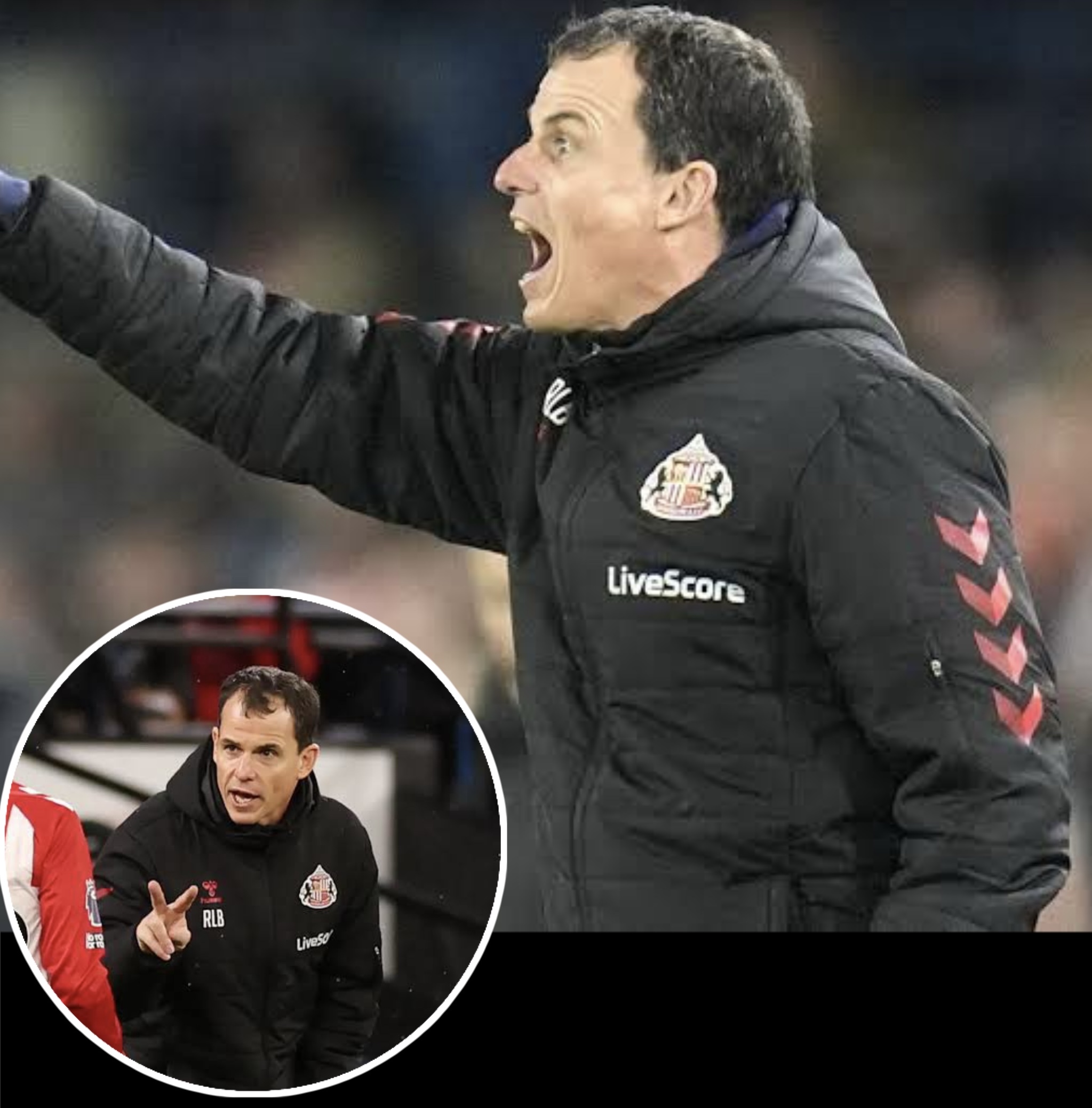
The traveling Sunderland supporters were already heading away from the Portman Road stadium exits, but the real drama of the afternoon was just beginning far away from the roar of the crowd. Behind the heavily guarded doors of the away dressing room, the final whistle did not bring quiet tactical reflection or a calm post match debrief following a heartbreaking 2-1 defeat. Instead, it triggered an immediate explosion of raw frustration that set a stormy tone for the rest of the evening.
Football matches are rarely lost in a single moment, but defeats of this magnitude tend to expose underlying fault lines. While the entire squad shared the heavy weight of a damaging result against Ipswich sealed cruelly by former player Jack Clarke in the 90th minute insiders indicate that tensions boiled over specifically regarding defensive frailties and a breakdown in on field communication. At the center of the heated post match inquest was defender Luke O’Nien. Following a difficult afternoon that saw him struggle to contain the opposition’s relentless pressure, pick up a yellow card, and ultimately get substituted in the 66th minute for Omar Alderete, a sharp exchange with manager Régis Le Bris quickly escalated behind closed doors.
The Anatomy of a Collapse
To understand why tempers flared, one only has to look at the numbers and the nature of the performance. A defensive rating of 5.5 tells a story of a backline under severe siege, unable to cope with the dynamic tactical shifts demanded by the fixture. Throughout the match, gaps continually opened up in dangerous areas, leaving the midfield exposed and the defensive structure scrambling to recover. Even though Nilson Angulo had brilliantly brought the Black Cats level with a stunning first half free kick that clipped the underside of the crossbar, the defensive unit couldn’t maintain stability under sustained second half pressure.
When Le Bris entered the dressing room, the initial silence was broken almost immediately. Rather than offering standard consolations, the French coach and his technical staff zeroed in on individual accountability. The dialogue quickly shifted from general team disappointment to pointed questions about defensive positioning, loss of concentration during crucial transitions, and a lack of secondary cover when Ipswich counter-attacked.
Sources close to the camp suggest that O’Nien, who wears his heart on his sleeve and has long been known for his passionate leadership on the pitch, did not take the scathing criticism lying down. What began as a tactical critique swiftly transformed into a heated back and forth between the manager and his defender, with raised voices carrying out into the corridor. Teammates reportedly had to step in to lower the temperature as frustration peaked on both sides, leaving the entire room stunned by the intensity of the confrontation.
Broader Squad Implications
This incident highlights a deeper anxiety creeping into the Sunderland camp early in the campaign. Defeats happen over the course of a long season, but the manner of this loss conceding a late winner after working so hard to get back into the match pointed to systemic issues that a simple chat cannot fix. When a senior defensive figure clashes with the manager immediately after a devastating result, it signals that the pressure valve is close to bursting.
Locker room friction is a double edged sword in professional football. In some cases, a fiery confrontation serves as a necessary wake up call, forcing players to confront hard truths and spark an immediate reaction in the next fixture. In other cases, it exposes a fracturing relationship between the dressing room and the technical area, raising questions about whether Le Bris is losing the confidence of his key lieutenants during a delicate phase of squad development.
For O’Nien and the rest of the squad, the immediate challenge is turning this negative energy into a constructive response on the training ground ahead of their upcoming home fixture against Fulham. The supporters demanding answers will not care about behind the scenes arguments if results do not improve on the pitch. However, this explosive episode proves that the squad is hurting and that the consequences of failure are weighing heavily on everyone involved. As the team looks ahead, all eyes will be on how this purported tension between the manager and his player is managed, and whether it leads to a defensive resurgence or further turmoil.