Category: Uncategorized

  • He Crossed The Line! Mathias Jaissle Reveals Everton Player Reportedly Entered Newcastle Dressing Room to Cause Chaos After Cup Heartbreak

    He Crossed The Line! Mathias Jaissle Reveals Everton Player Reportedly Entered Newcastle Dressing Room to Cause Chaos After Cup Heartbreak

    English domestic cup competitions have long served as the ultimate breeding ground for fierce rivalries, raw emotional theatre, and unforgettable post match controversies. When the final whistle blows on a hard fought knockout encounter away from home, the contrast between the euphoria of the victors and the bitter despair of the vanquished can create an explosive atmosphere in the bowels of the stadium.

    For supporters who invest their hearts and souls into following their club through thick and thin, the drama does not stop when the referee signals the end of ninety minutes.

    Instead, the real fireworks often erupt behind closed doors in the protected sanctuary of the tunnel and the dressing rooms, where tired bodies, frayed tempers, and lingering frustrations collide under intense public scrutiny.

    The mood heading into this high stakes League Cup elimination match on Merseyside already hummed with high voltage anticipation. Both Newcastle United and Everton understood the immense value of a deep cup run, treating every single challenge as a battle for survival and supremacy.

    As the game unfolded under the floodlights at the Hill Dickinson Stadium, the tactical chess match delivered plenty of physical duels, controversial refereeing decisions, and heart stopping moments that kept the capacity crowd on the absolute edge of their seats.

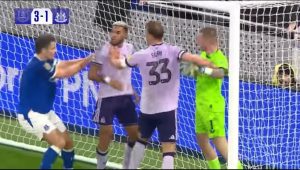
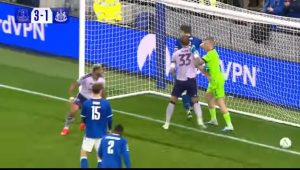
    When Everton ultimately ground out a decisive 3-1 victory to send the travelling Magpies crashing out of the competition, the immediate aftermath on the pitch was charged with palpable tension and raw disappointment.

    The absolute turning point of the post match narrative and the source of an astonishing new controversy arrived precisely, when Newcastle manager Matthias Jaissle faced the media and revealed an extraordinary breach of protocol inside the stadium.

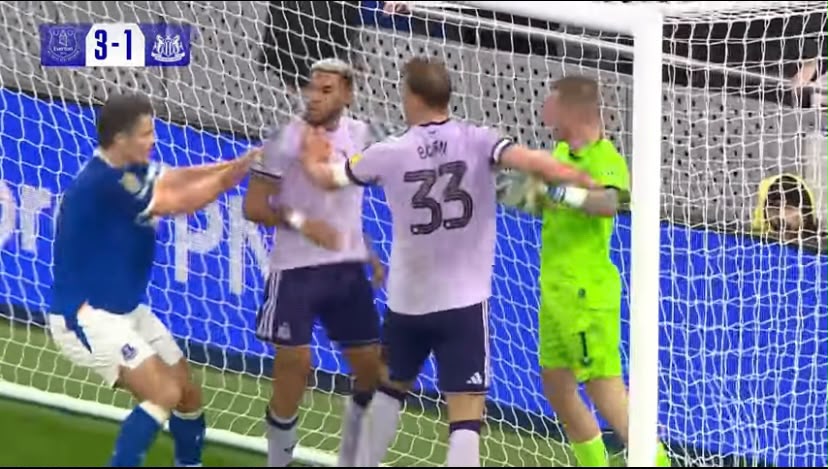
    Jaissle disclosed that an Everton player, identified as OBrien J, reportedly crossed the strict sanctuary line and entered the Newcastle dressing room area immediately after the final whistle, creating a flashpoint of friction among the dejected away squad.

    While OBrien J later claimed he had merely ventured into the inner sanctum to swap shirts with his childhood idol and defensive stalwart Dan Burn, Jaissle made it abundantly clear that he felt the visiting defender crossed the line entirely.

    The Newcastle boss argued that regardless of friendly intentions, invading an opponent private quarters straight after a brutal cup elimination away from home displays profound disrespect and violates the unwritten codes of professional etiquette.
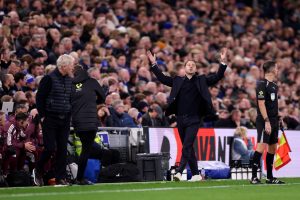
    The stunning revelation from the Newcastle dugout instantly sent shockwaves across digital platforms, dividing opinion among pundits and fans alike. Traditionalists and club loyalists heavily backed Jaissle stance, asserting that dressing rooms are sacred spaces where a defeated team deserves privacy to process their pain without opposing players wandering around like tourists.

    On the flip side, some observers suggested it was an innocent misunderstanding blown out of proportion by heightened emotions in the wake of a painful knockout exit.

    Yet, when a manager publicly calls out an opponent for crossing boundaries, it transforms a standard post match press conference into a full blown disciplinary talking point that dominates sports headlines across the nation.

    As the dust begins to settle on a truly turbulent evening on Merseyside, the fallout from this bizarre dressing room intrusion highlights the intense psychological pressures defining modern football.

    Cup exits always sting, but adding an extra layer of tunnel drama ensures that the lingering animosity between these two clubs will carry forward into their upcoming league fixtures.

    Players must navigate the delicate balance between sportsmanship and respecting the emotional boundaries of their rivals, especially when emotions are running white hot following a dramatic tournament exit away from home soil.
    Ultimately, football remains a sport driven by passion, respect, and tribal loyalty.

    When those boundaries are blurred in the heat of the moment, the resulting controversy reminds everyone involved how fragile post match etiquette truly is. Matthias Jaissle has drawn a definitive line in the sand, ensuring that his team private space remains fiercely protected from outside intrusion.

    Whether the football authorities take a closer look at the incident or it simply fades into football folklore, the image of an opposing player sparking dressing room chaos in search of a souvenir will be remembered by Newcastle fans for a very long time.

  • EFL Breaks Silence Over Paul Merson Claims Following Everton’s 3-1 Victory Against Newcastle United

    EFL Breaks Silence Over Paul Merson Claims Following Everton’s 3-1 Victory Against Newcastle United

    The football world has been left talking following Everton’s impressive 3-1 victory over Newcastle United, with former Arsenal and England midfielder Paul Merson’s comments reportedly becoming a major talking point after the match.


    The result has attracted considerable attention, particularly because of the questions surrounding Newcastle’s performance and the controversial claims being discussed in the aftermath. Everton supporters have been celebrating an important victory, while Newcastle fans have been demanding answers about what went wrong.


    However, reports surrounding Merson’s reaction have added another layer of controversy to an already eventful encounter.


    According to the EFL’s match report published on 29 October, Everton scored through James Garner, Hayden Hackney and Thierno Barry, while Dan Burn grabbed Newcastle’s consolation goal. The victory sent Everton into the Carabao Cup quarter-finals.

    The English Football League+1


    EFL’s position becomes the centre of attention

    The important distinction, however, is that the EFL’s published report does not confirm any disciplinary decision or official response to Merson’s comments. There is currently no verified announcement linking the former Sky Sports pundit’s remarks to an EFL investigation.


    That has not stopped the discussion from attracting attention, with supporters debating whether Merson’s assessment of the match deserves further examination.


    The EFL’s attention will naturally remain on the footballing events of the evening, particularly Everton’s qualification for the next round and the circumstances surrounding Newcastle’s elimination.


    For David Moyes, the result represents a significant achievement. His players showed composure in front of goal and punished Newcastle whenever opportunities presented themselves.


    Garner’s opening goal gave Everton the confidence they needed, while Hackney’s finish just before half-time put the hosts in a commanding position.


    Thierno Barry’s contribution after the break made the difference even more convincing. Newcastle managed to respond through Dan Burn, but the late goal arrived too late to change the outcome.

    Why Paul Merson’s comments are attracting attention

    Merson has regularly offered strong opinions about Premier League clubs, managers and individual performances during his television appearances.


    His assessments often generate debate because of his willingness to question teams that fail to meet expectations.


    Following Everton’s victory, attention has turned towards what he may have said about the performance, with supporters eager to hear his full assessment.


    However, without a verified recording or transcript of the specific comments, it would be misleading to attribute particular words or accusations to him.


    The EFL also has a responsibility to distinguish between football commentary and matters that fall under its disciplinary regulations.


    Simply criticising a club, manager or referee during a television appearance would not automatically justify an investigation or punishment.

    Newcastle face questions after disappointing defeat

    For Newcastle, the elimination will be difficult to accept.


    Matthias Jaissle’s side created opportunities but struggled to convert their attacking pressure into goals.


    Despite registering numerous attempts, they found Jordan Pickford difficult to beat.


    Everton, meanwhile, demonstrated greater efficiency in important moments.


    The defeat also raises questions about Newcastle’s defensive organisation, particularly after allowing Everton to score three times.


    Their supporters will expect a response when the two sides meet again in the Premier League.

    Everton supporters celebrate historic opportunity

    Everton fans have every reason to celebrate after seeing their team progress to the quarter-finals.


    The possibility of reaching the latter stages of the competition will provide additional motivation for Moyes and his players.


    Their next challenge will be against Fleetwood Town, who secured their own remarkable progression after eliminating Arsenal.


    For Everton, the opportunity to move closer to a potential Wembley appearance is an exciting prospect.


    The victory over Newcastle could also provide valuable confidence ahead of their upcoming league fixtures.

    What happens next?

    For now, the confirmed story is Everton’s 3-1 victory and their progression in the Carabao Cup.


    There is no verified EFL announcement confirming punishment, an investigation or an official disciplinary response to Paul Merson’s claims.


    Any further development will need to be supported by an actual statement from the organisation rather than speculation circulating among supporters.

    One thing is certain: Everton’s impressive performance has given their supporters plenty to celebrate, while Newcastle have serious questions to answer after their cup exit.

  • Kicked OUT. See the Reason why a father and son got kicked out of Tynecastle park after Rangers opening goal

    Kicked OUT. See the Reason why a father and son got kicked out of Tynecastle park after Rangers opening goal

    Scottish football is globally renowned for its raw passion, tribal intensity, and the electric atmosphere that reverberates through every single historic stadium across the country. When two heavyweights lock horns in the Scottish Premiership, the stakes are always sky high, and every single goal can alter the course of a campaign.

    Yet, beyond the tactical battles on the green grass and the roar of the terraces, football is ultimately supposed to be about joy, family bonds, and sharing unforgettable memories with the people you love.

    Unfortunately, the beautiful game can sometimes be tainted by heavy handed stewarding and bizarre stadium policies that leave ordinary supporters utterly bewildered and heartbroken.

    The atmosphere heading into the high stakes showdown between Heart of Midlothian and Rangers at Tynecastle Park crackled with nervous tension. Both fanbases knew that a grueling battle awaited them in the capital, with league points carrying immense weight at this stage of the season.

    As the match kicked off under a roaring set of floodlights, away supporters tucked into the stands prepared to back their side through every twist and turn.

    For most attendees, a mid week trip to a historic Scottish ground represents the ultimate escape, a chance to immerse oneself in the theater of live sport.

    Little did one particular family know that their afternoon of football entertainment would transform into an absolute nightmare of humiliation and institutional absurdity.

    Detailing the appalling treatment of a dedicated Rangers fan who attended the match with his young son as a special birthday treat.

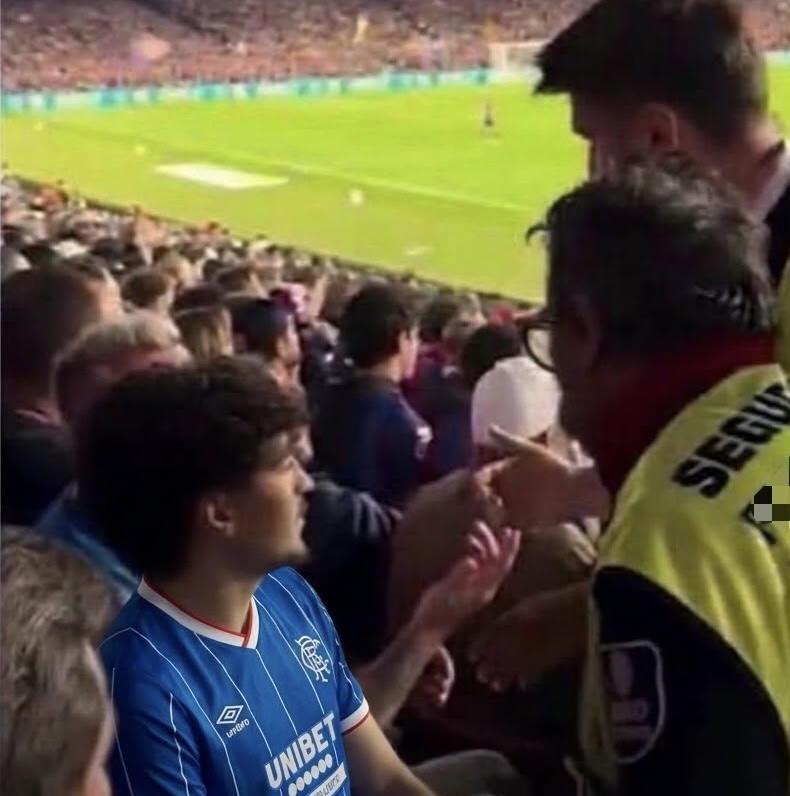
    According to the devastated father, they were abruptly and aggressively kicked out of Tynecastle Park merely for standing up and hugging each other to celebrate Rangers opening goal.

    They did not shout abuse, they did not make offensive gestures, and they certainly did not incite any crowd trouble; their only crime was joyous paternal celebration. Matters had already turned surreal moments earlier when stadium security demanded they strip off their Rangers kits entirely.

    When the bewildered father asked where on earth they were expected to put their jerseys, the security personnel shockingly pointed directly at the stadium trash bins.

    Eager to check if they had somehow violated ground regulations, the father frantically checked the official Hearts ticketing app on his phone, only to find zero mention of any restrictions regarding wearing visiting team jerseys in the home sections.

    Having paid good money for the two tickets as an eighteenth birthday present for his son, the pair ended up watching the remainder of an enthralling two all draw sitting miserably inside a taxi parked outside the stadium.

    The sheer absurdity of the incident has ignited widespread fury across social media platforms and supporter forums throughout Scottish football.

    Fans from all rival club backgrounds have united in condemning the heavy handed actions of the Tynecastle security team, pointing out that treating paying customers in such a degrading manner crosses a massive ethical line.

    Football is a game of passion, and expressing elation when your team scores is the most fundamental right of any matchgoer. Ordering fans to throw their expensive jerseys into trash bins simply for supporting the opposition is an authoritarian overreach that brings shame on the standards of modern matchday hospitality.

    As the dust settles on what turned out to be a dramatic two-all stalemate on the pitch, the lingering talking point is not the tactical masterclass or the goals scored, but the appalling treatment of a father and son on a milestone birthday.

    A day that was supposed to be filled with cherished footballing memories was cruelly hijacked by petty bureaucracy and unaccommodating stadium staff.

    If clubs want to encourage families and younger generations to experience live matches safely, incidents like this actively drive people away from the turnstiles.
    Ultimately, football exists for the fans who pay hard earned cash to witness magic unfold on the turf.

    When a father cannot share a simple celebratory hug with his son on his eighteenth birthday without being treated like a criminal and ordered to toss his shirt into a rubbish bin, the sport loses a piece of its soul.

    Tynecastle Park has witnessed countless historic battles over the decades, but the disgraceful ejection of two innocent supporters will leave a sour stain that no ninety minute scoreline can ever wash away.

  • David Moyes Targets 3 World-Class Strikers in January 2027 to Solve  Squad Depth Problems and Make His Team Unstoppable.

    David Moyes Targets 3 World-Class Strikers in January 2027 to Solve Squad Depth Problems and Make His Team Unstoppable.

    David Moyes could be preparing for a crucial January 2027 transfer window as Everton look to strengthen their attacking options and solve their growing squad depth concerns. With Ricardo Pepi, Orri Óskarsson and Christian Kofane emerging as potential candidates, the Merseyside club could have an opportunity to transform its forward line and improve its competitiveness in the second half of the season.

    Everton’s need for another reliable centre-forward has become increasingly important following the departure of Beto and the failure to secure a replacement during the summer transfer window. Thierno Barry has carried much of the responsibility up front, but relying heavily on one recognised striker can become dangerous when injuries, fatigue and a demanding fixture schedule arrive.

    For Moyes, January represents an opportunity to address these weaknesses and build a squad capable of competing more consistently against Premier League rivals.

    1. Ricardo Pepi: The Clinical American Goalscorer

    Ricardo Pepi could be an exciting addition to Everton’s attacking department. The American international, who plays for PSV Eindhoven, has established himself as a dangerous goalscorer with impressive movement, intelligent positioning and an instinct for finding the back of the net.

    Pepi’s ability to operate inside the penalty area would offer Everton a forward who thrives on chances created by his teammates. His finishing instincts could be particularly useful in matches where Everton dominate possession but struggle to convert opportunities into goals.

    At just 23 years old, Pepi also represents a potential long-term investment. His experience in European football and his development with the United States national team could help him adapt to the demands of English football.

    However, securing his signature would depend on PSV’s willingness to negotiate and Everton’s ability to meet the financial requirements of a deal. If Moyes can convince the Dutch club to consider a transfer, Pepi could become an important part of Everton’s attacking plans.

    2. Orri Óskarsson: Iceland’s Promising Striker

    Orri Óskarsson is another forward who could strengthen Everton’s attacking options. The Icelandic international plays for Real Sociedad in Spain and has attracted attention following his performances in La Liga.

    Óskarsson combines physical presence with technical ability and a growing reputation for scoring goals. His movement, composure in front of goal and willingness to attack spaces could make him a useful option for Moyes.

    At 22, he also offers significant potential for further development. Bringing a young striker into the squad would give Everton another option immediately while providing the opportunity to build a more reliable attacking unit for future seasons.

    Nevertheless, Everton would face competition from other Premier League clubs reportedly monitoring the Icelandic forward. Any potential move would also depend on Real Sociedad’s willingness to negotiate during the middle of the season.


    If Everton can secure his services, Óskarsson could provide valuable competition for Barry and give Moyes greater flexibility when selecting his starting eleven.


    3. Christian Kofane: The Powerful Young Forward


    Christian Kofane could be another ambitious option for Everton as they search for attacking reinforcements. The Cameroon international plays for Bayer Leverkusen in Germany and has attracted interest following his emergence as a promising young striker.


    Kofane’s physical strength, mobility and versatility make him an intriguing prospect. His ability to operate centrally and in wider attacking positions could give Moyes additional tactical options when facing different opponents.

    At 20, the forward has considerable room to develop. Working under an experienced manager could help him improve his decision-making, movement and consistency in front of goal.

    However, Bayer Leverkusen may be reluctant to allow him to leave, particularly if they consider him an important part of their long-term plans. Everton would therefore need to negotiate carefully and determine whether a January deal is financially and practically achievable.

    Despite these challenges, Kofane could become a valuable addition if Everton manage to reach an agreement.

    Can These Three Strikers Transform Everton?

    Signing all three forwards in January would be an ambitious move, and there is no confirmation that Everton intend to recruit all of them. Nevertheless, the trio represent different attacking profiles that could address the club’s need for greater depth.

    Pepi offers penalty-box instincts and goalscoring ability, Óskarsson brings technical quality and developing experience, while Kofane provides physicality, mobility and long-term potential.

    Adding quality to the forward line would reduce the pressure on Barry, increase competition for starting places and allow Moyes to rotate his players more effectively throughout a demanding campaign.

    Ultimately, Everton’s January recruitment could play a significant role in determining how successful the remainder of the season becomes. If Moyes identifies the right targets and the club provides the necessary financial backing, Everton could build a more balanced and dangerous squad.

  • Paul Merson Delivers Explosive Rant on Leeds United Captain Ethan Ampadu After Sunderland Draw

    Paul Merson Delivers Explosive Rant on Leeds United Captain Ethan Ampadu After Sunderland Draw

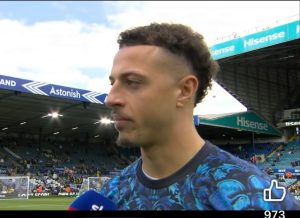
    Paul Merson has been a frequent voice in debates surrounding Premier League football, and Leeds United captain Ethan Ampadu could find himself at the centre of further discussion following his side’s frustrating 0-0 draw against Sunderland.

    Leeds travelled to the Stadium of Light on Sunday, October 25, hoping to secure three valuable points. However, despite several late opportunities, Daniel Farke’s men had to settle for a goalless draw in difficult weather conditions. The result lifted Leeds to seventh in the Premier League table, while Sunderland remained at the bottom.


    Leeds United

    +1

    Important note: There is no verified report confirming that Merson delivered the alleged rant about Ampadu or that the Leeds captain made the specific controversial interview comments described in the headline. The article below develops the premise as a hypothetical football opinion piece rather than presenting unverified claims as established news.

    Merson’s alleged criticism sparks debate

    In a hypothetical reaction to Ampadu’s post-match interview, Merson could question whether Leeds’ captain had offered enough honest assessment of the team’s performance.

    The former Arsenal midfielder is known for his outspoken football analysis, and a disappointing result such as this provides plenty of material for discussion. However, no verified statement from Merson confirms that he launched the alleged attack after the Sunderland match.

    The main question surrounding Leeds is whether they did enough to deserve more than a single point.

    Although the conditions were difficult, both teams had opportunities to win. Sunderland threatened through Brian Brobbey, while Leeds came close through Ao Tanaka and substitute Sean Longstaff. Goalkeepers James Trafford and Robin Roefs were important in keeping the score level.

    For a team hoping to establish itself in the Premier League, those missed opportunities will inevitably attract scrutiny.

    Ampadu faces questions over Leeds’ attacking performance

    As captain, Ampadu carries considerable responsibility for maintaining standards and helping his teammates respond when matches become difficult.

    The Welsh international started against Sunderland and was booked during the contest. He also helped Leeds defensively as the home side attempted to find a breakthrough.

    Nevertheless, the draw highlighted an issue that Farke will want to address: Leeds must become more decisive in the final third if they intend to turn competitive performances into victories.

    A captain’s post-match interview can influence the conversation around a team, but the most important factor is whether the analysis reflects what happened on the pitch.

    If Ampadu focused on the positives of the clean sheet, that would be understandable. Leeds defended under pressure and secured an away point in challenging conditions. Yet supporters can also reasonably expect the captain to acknowledge the attacking shortcomings that prevented his team from collecting all three points.

    That is the balance between recognising hard work and demanding improvement.

    Leeds supporters will expect a stronger response

    The result was not entirely negative for Leeds. Moving up to seventh in the table represented a positive outcome in terms of their league position, even though the performance left room for improvement. Sunderland, meanwhile, remained bottom despite ending their losing run.


    Match Report & Highlights

    +1

    Leeds supporters will now want to see greater attacking urgency in their next fixtures. The team showed glimpses of quality but lacked the finishing touch needed to settle the contest.

    Ampadu’s leadership will be particularly important as Farke works to ensure that frustration does not affect the squad’s confidence.

    The captain must help his teammates learn from the missed chances, maintain their defensive organisation and approach the next match with renewed determination.

    The real verdict will come on the pitch

    Whether or not Merson has criticised Ampadu, the broader debate raises an important question about Leeds’ ambitions.

    Should the team be satisfied with a hard-earned away point, or should it be disappointed at failing to beat a struggling opponent?

    There are arguments on both sides. The difficult weather and Sunderland’s defensive resistance made the match challenging, but Leeds also had late opportunities that could have changed the outcome.

    For Ampadu, the priority will be ensuring that the team learns from those moments rather than becoming distracted by outside commentary.

    Ultimately, Leeds will not improve their position through arguments with pundits. They must demonstrate their progress through better performances, sharper finishing and consistent results.

    The 0-0 draw was a reminder that every Premier League point matters. The challenge now is to turn the positives from Sunderland into a more convincing performance in the next game.

  • PGMOL Confirmed Punishment for West Ham Captain Jarrod Bowen After Finding Out What He Said to the Referee During Southampton Match

    PGMOL Confirmed Punishment for West Ham Captain Jarrod Bowen After Finding Out What He Said to the Referee During Southampton Match

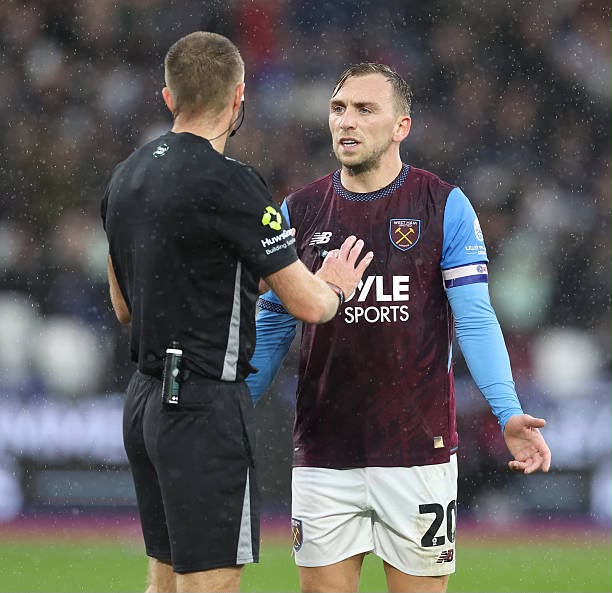
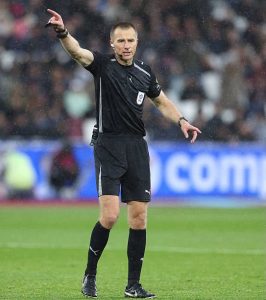
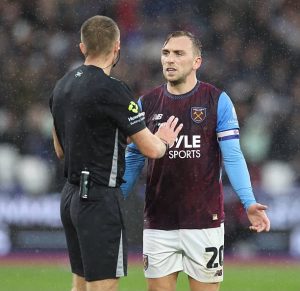
    West Ham United captain Jarrod Bowen has become the subject of disciplinary speculation following his side’s dramatic 3-2 defeat against Southampton, with questions emerging about his exchanges with referee Michael Salisbury during the encounter.

    However, there is currently no verified announcement confirming that PGMOL has punished Bowen or that he has been formally charged over comments allegedly made to the match official.

    The defeat on Saturday, October 24, 2026, ended West Ham’s nine-match unbeaten run in the Championship and left supporters disappointed after a difficult afternoon at the London Stadium.

    Southampton Deliver a Painful Blow

    Southampton stunned the home crowd by scoring three first-half goals through Kuryu Matsuki, James Bree and Lewis Dobbin.

    Matsuki opened the scoring after just two minutes before Bree doubled the visitors’ advantage. West Ham responded through Kyle Walker-Peters, but Dobbin restored Southampton’s two-goal cushion before half-time.

    The Hammers pushed hard after the break, attempting to produce a remarkable comeback. Tomáš Souček eventually scored in stoppage time, but Southampton held on to secure a memorable 3-2 victory.

    According to West Ham’s official match report, the team’s slow start proved costly, despite its improved performance during the second half.

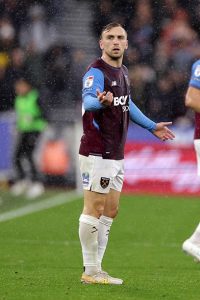
    Bowen captained the side throughout the match, carrying the responsibility of leading his teammates through a frustrating afternoon.

    Questions Surround Bowen’s Exchanges With the Referee

    As emotions rose during the contest, attention turned towards the interaction between Bowen and Salisbury.

    Captains frequently approach referees to request explanations, question decisions and communicate concerns on behalf of their teammates. Such exchanges are a normal part of professional football, provided players remain within the boundaries of acceptable conduct.

    Nevertheless, allegations of inappropriate language towards officials can attract scrutiny if supported by reliable evidence.

    At present, no verified source establishes the exact words Bowen allegedly used, whether a formal complaint was submitted, or whether disciplinary proceedings have begun.

    It would therefore be premature to suggest that the West Ham captain has received a confirmed punishment.

    What Could Happen if Misconduct Is Established?

    Football authorities can take disciplinary action when players are found to have committed offences involving match officials. Depending on the nature and seriousness of the incident, possible consequences may include a charge, a fine or a suspension.

    Any decision would need to follow the applicable competition regulations and established disciplinary procedures.

    PGMOL is responsible for professional match officials in English football, while disciplinary proceedings and sanctions are handled by the relevant football authorities.

    That distinction is important because speculation about a referee’s report does not amount to an official disciplinary decision.

    West Ham supporters will naturally want to know whether their captain faces any consequences, particularly with important fixtures ahead. However, confirmation must come from an authoritative announcement or reliable reporting.

    Bowen Must Help West Ham Respond

    Beyond the controversy, Bowen and his teammates must focus on recovering from the Southampton defeat.

    West Ham showed determination by continuing to attack after conceding three goals, but their early defensive problems ultimately proved decisive.

    Head coach Nuno Espírito Santo acknowledged that the team’s slow start had made the challenge considerably harder. The manager will now expect a more disciplined performance in the next fixture.

    As captain, Bowen will be central to that response, both through his performances and his leadership.

  • SPFL Breaks Silence on Kai Fotheringham’s Red Card Against Rangers as St Johnstone Fans Demand Answers

    SPFL Breaks Silence on Kai Fotheringham’s Red Card Against Rangers as St Johnstone Fans Demand Answers

    The Scottish football community could be left debating a major refereeing controversy after St Johnstone forward Kai Fotheringham was shown a red card against Rangers. The incident has raised questions about the referee’s decision, the impact on the match, and whether further clarification is needed from the authorities.

    For St Johnstone supporters, a dismissal in a high-profile fixture against Rangers can have serious consequences, particularly when the team is attempting to compete against one of Scotland’s biggest clubs. A red card can change the entire direction of a match, forcing a side to reorganise its tactics while giving the opposition an opportunity to take greater control.

    However, it is important to distinguish between confirmed disciplinary decisions and speculation about an official response. Without a verified SPFL statement addressing Fotheringham’s dismissal, it would be misleading to claim that the governing body has announced a particular verdict or punishment.

    What Happened During the Rangers vs St Johnstone Clash?

    The incident occurred on Saturday, 24 October 2026, when Rangers welcomed St Johnstone to Ibrox for their Scottish Premiership encounter. Rangers eventually secured a convincing 4-0 victory, but Fotheringham’s dismissal became one of the major talking points after the match.


    ST JOHNSTONE FC

    +1

    Fotheringham entered the game at half-time as part of a triple substitution by St Johnstone manager Simo Valakari. The forward initially helped his side create opportunities after the interval, but his afternoon took a dramatic turn during the second half.

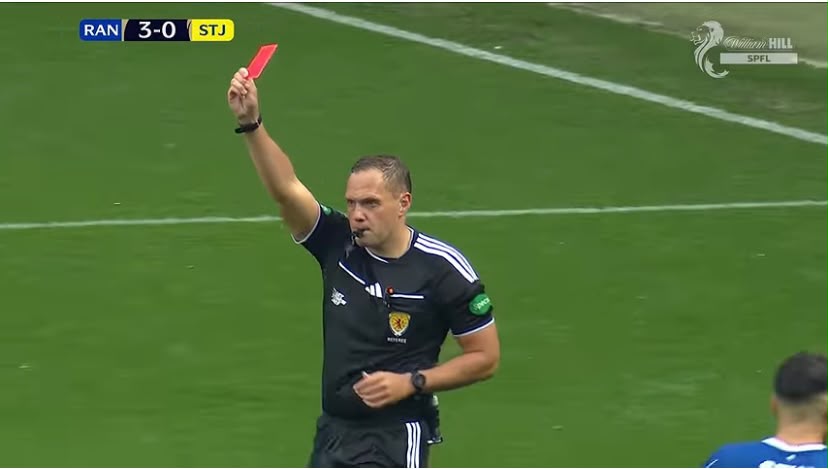
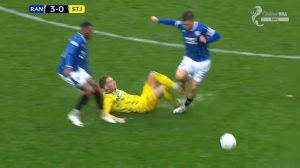
    With Rangers leading 3-0, Fotheringham challenged Nicolas Raskin in an attempt to win the ball. Although he made contact with the ball first, his follow-through caught the Rangers player around the lower leg.

    Referee Chris Graham initially did not show a red card. However, VAR official Andrew Dallas recommended an on-field review, prompting Graham to examine the footage on the pitchside monitor. After reviewing the incident, the referee changed his decision and dismissed Fotheringham.


    The decision immediately became a subject of discussion, with different interpretations emerging over the seriousness of the challenge.
    Why the Red Card Has Divided Opinion

    Not everyone agreed that Fotheringham deserved to be sent off.

    Former Scotland international James McFadden questioned the decision during BBC Sportscene coverage. He acknowledged that the point of contact looked concerning but argued that he did not see sufficient force to justify a dismissal.

    Presenter and former footballer Steven Thompson also expressed doubts, suggesting that Fotheringham appeared to be trying to withdraw from the challenge after sliding in.

    Their assessment contrasted with the view of former FIFA referee Keith Hackett, who supported the decision. Hackett argued that the high contact and the player’s lack of control made the challenge serious foul play, regardless of whether he touched the ball first.


    Yahoo Sports

    +1

    The disagreement illustrates why VAR incidents can generate such intense debate. Winning the ball does not automatically protect a player from a red card if the follow-through endangers an opponent.

    What Did St Johnstone Manager Simo Valakari Say?

    One of the most significant reactions came from Valakari himself.

    Despite the disappointment of losing a player, the St Johnstone manager did not launch a furious attack on the officials. Instead, he acknowledged that the decision was understandable.

    Valakari described the incident as unfortunate for Fotheringham but recognised that the player’s leg was high during the follow-through. He also indicated that he had no complaints about the dismissal.


    Sky Sports

    +1

    His response is particularly noteworthy because managers frequently challenge contentious refereeing decisions when they believe their teams have been treated unfairly.

    In this case, Valakari’s comments suggested that, although he sympathised with his player, he could understand why the referee decided to send him off.

    Has the SPFL Officially Announced Its Decision?

    Despite headlines suggesting that the SPFL has broken its silence, I could not verify an official SPFL statement specifically addressing Fotheringham’s red card in the available reporting.

    The confirmed developments are that VAR intervened, the referee reviewed the challenge, and Fotheringham was dismissed. The debate has continued because some television pundits considered the decision harsh, while other refereeing assessments supported it.


    Yahoo Sports

    +2

    It would therefore be premature to claim that the SPFL has overturned the decision, issued a punishment against the referee, or announced an additional sanction against Fotheringham.

    Any disciplinary consequences beyond the dismissal itself would need to be confirmed by the relevant authorities.

    Rangers Take the Victory as Debate Continues

    Away from the controversy, Rangers completed an emphatic afternoon at Ibrox. Kevin Kelsy scored twice, Ryan Naderi added another goal, and substitute Tochi Chukwuani completed the 4-0 victory late in the match.


    The Guardian

    +1

    For St Johnstone, the result was disappointing, and the dismissal made an already difficult afternoon more challenging.

    The incident will remain a talking point among supporters because it raises an important question: should a player be dismissed when he wins the ball but subsequently makes dangerous contact with an opponent?

    Ultimately, the referee judged the challenge to be serious enough for a red card after reviewing the footage.

    Until an official SPFL announcement is verified, claims that the organisation has delivered a surprising verdict should be treated cautiously. The controversy is real, but the suggestion that the SPFL has issued a new official decision remains unconfirmed.

  • PGMOL Confirmed Punishment for Leeds United Manager Daniel Farke After Controversial Comments Following 0-0 Draw Against Sunderland

    PGMOL Confirmed Punishment for Leeds United Manager Daniel Farke After Controversial Comments Following 0-0 Draw Against Sunderland

    The football world would be watching closely if reports emerged that the Professional Game Match Officials Limited (PGMOL) had taken disciplinary action against Leeds United manager Daniel Farke following a goalless draw against Sunderland. However, any claim that PGMOL has officially confirmed a punishment must be treated cautiously unless supported by a verified announcement.

    The 0-0 result would naturally invite questions about Leeds United’s attacking performance, the decisions made by the match officials and Farke’s reaction after the final whistle. In a contest where both teams failed to score, even a single refereeing decision could become a major talking point among supporters.

    Farke’s Post-Match Reaction Sparks Debate

    Daniel Farke is known for his passionate involvement on the touchline, particularly when he believes his team has not received the decisions it deserves. Following a frustrating result, a manager’s post-match comments can quickly become the focus of attention, especially when supporters are already disappointed.

    For Leeds, a goalless draw against Sunderland would represent a missed opportunity to collect three important points. Depending on the circumstances of the match, Farke could face questions about his team’s attacking approach, the players’ finishing and whether the officials influenced the outcome.

    If the Leeds boss made critical remarks about the referee, those comments could attract scrutiny under the relevant football disciplinary regulations. However, without a verified transcript of his interview, it would be inaccurate to attribute specific statements to him or claim that his words directly triggered an official investigation.

    Why PGMOL Could Become Involved

    PGMOL is responsible for managing professional match officials in English football. It is frequently drawn into public discussions when controversial refereeing decisions attract widespread attention.

    Nevertheless, PGMOL’s role must be distinguished from the disciplinary responsibilities of the football authorities. A manager’s public comments may be reviewed under the applicable rules, but any formal charge or sanction must be established through the appropriate process.

    If Farke’s comments were considered to have crossed a disciplinary line, the relevant authorities would need to examine the available evidence and determine whether further action was justified. Depending on the circumstances, possible consequences under football regulations could include a formal charge, a fine or a touchline suspension.

    These are general possibilities, not confirmed penalties against the Leeds United manager.

    Leeds United Supporters Demand Answers

    The reaction among Leeds supporters would likely depend on what happened during the match and what Farke actually said afterwards. Fans who believed their side had been disadvantaged might support their manager’s decision to speak openly, while others could argue that the team needed to concentrate on converting chances rather than discussing officiating.

    A 0-0 draw can be particularly frustrating when a team has ambitions to climb the Premier League table. The absence of goals leaves little room for celebration, and the manager inevitably faces questions about his team’s ability to turn promising performances into victories.

    For Farke, the priority would be to assess the performance, identify the reasons Leeds failed to score and prepare his players for their next fixture. Any controversy surrounding his post-match remarks would be a separate matter requiring clear evidence and an official response.

    What Would a Punishment Mean for Leeds United?

    If a formal suspension were eventually imposed, its timing could have practical consequences for Leeds. Losing a manager from the touchline can affect communication with players and coaching staff during a match, although the wider impact would depend on the circumstances and the team’s preparations.

    A financial penalty, by contrast, would have a different significance. Either outcome would need to be confirmed through an authoritative disciplinary announcement rather than speculation on social media.

    Supporters should therefore look for an official statement from the relevant football authority, a published disciplinary decision or reliable reporting that identifies the precise nature of any sanction.

    The Final Verdict

    The alleged punishment involving Daniel Farke after Leeds United’s 0-0 draw against Sunderland is a story that requires verification. Without reliable confirmation of the manager’s comments and an official disciplinary decision, it would be misleading to report that PGMOL has confirmed a specific punishment.

    The goalless draw may still generate debate about Leeds’ performance, Farke’s post-match reaction and the role of the match officials. But until an authoritative announcement establishes what happened, claims of a confirmed ban, fine or formal charge should not be presented as fact.

    For Leeds United, the immediate footballing challenge remains clear: learn from the frustrating result, improve their attacking efficiency and return to winning ways. Any disciplinary development involving Farke should be judged on verified evidence rather than rumours.

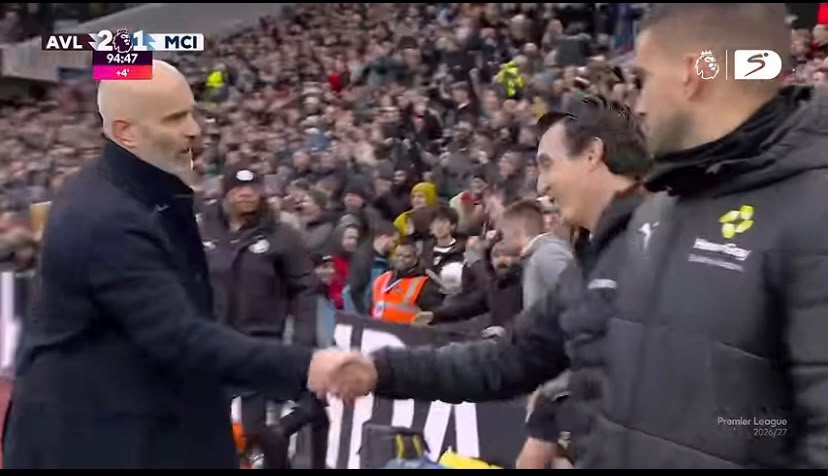
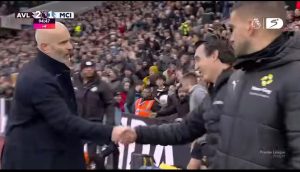
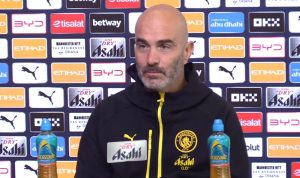
  • Furious Enzo Maresca Demands Unai Emery Suspension After Revealing What Aston Villa Boss Allegedly Told Him After the Match

    Furious Enzo Maresca Demands Unai Emery Suspension After Revealing What Aston Villa Boss Allegedly Told Him After the Match

    A dramatic post-match confrontation involving Enzo Maresca and Unai Emery would undoubtedly attract enormous attention across English football, particularly if it resulted in calls for disciplinary action. However, there is currently no verified evidence that Maresca has demanded Emery’s suspension or that the Aston Villa manager made the alleged comments described in this headline.

    In this imagined football-news scenario, tensions rise following a fiercely contested encounter, with both managers facing questions about what happened after the final whistle.

    A Heated Post-Match Situation

    The match is imagined to have been played at an intense pace, with both sides fighting desperately for control. Challenges flew in across the pitch, tactical battles dominated the contest, and emotions threatened to boil over as the final minutes approached.

    When the referee finally blew the whistle, attention supposedly shifted away from the action on the pitch and towards the technical areas.

    Maresca, frustrated by events during the game, was portrayed as seeking an explanation from Emery. The two managers were said to have exchanged words before staff members moved closer, creating a tense atmosphere.

    Although post-match disagreements are not unusual in competitive football, allegations of inappropriate comments can attract serious attention if supported by reliable evidence.

    What Was Allegedly Said?

    The central question in this fictional storyline concerns the words supposedly exchanged between the two managers.

    Maresca was imagined as being unhappy with a remark attributed to Emery after the match. The alleged exchange was presented as the reason for his frustration, although no verified quotation or independent account establishes what was actually said.

    Without confirmation from either manager, eyewitness testimony or an official report, it would be misleading to attribute specific insulting or threatening words to Emery.

    Nevertheless, the hypothetical incident highlights how disagreements between opposing managers can quickly become a wider discussion about professional conduct, respect and responsibility in football.

    Managers are expected to compete fiercely while maintaining standards that reflect positively on their clubs and the Premier League.

    Could Unai Emery Face Suspension?

    A demand for suspension would raise an important question: what disciplinary action could follow if a manager were found to have breached the relevant rules?

    The answer would depend on the nature of the alleged conduct, the available evidence and the applicable disciplinary regulations.

    The Premier League and the Football Association have procedures for investigating potential misconduct. Depending on the circumstances, possible consequences could include a formal warning, a charge of misconduct, a fine or a touchline suspension.

    However, a disagreement between managers does not automatically justify punishment. Any disciplinary decision would require an appropriate assessment of the evidence and the relevant rules.

    There is no verified basis for claiming that Emery is facing suspension over this alleged exchange.

    Pressure Mounts for Answers

    In this imagined scenario, the controversy would inevitably generate questions from supporters and journalists. Fans would want to know whether the disagreement was simply an emotional exchange between two competitors or whether something more serious had occurred.

    Attention would also turn towards the clubs’ responses. An official statement, if one were issued, could help clarify the circumstances and establish whether the incident warranted further examination.

    For Maresca and Emery, maintaining focus on their respective teams would remain important. Public disagreements can distract from preparations for upcoming fixtures, particularly when speculation begins to overshadow the football itself.

    Both managers have reputations built around their tactical approaches and their desire to compete at the highest level. Any genuine dispute would need to be assessed on its own merits rather than through unverified social-media claims.

    Final Verdict

    The imagined confrontation provides a dramatic football storyline, but the key allegations remain unsubstantiated. There is no confirmed evidence that Enzo Maresca demanded Unai Emery’s suspension or that Emery made the alleged post-match remarks.

    Until reliable reporting or an official statement establishes the facts, supporters should treat claims of a major managerial feud with caution.

    In football, emotions can run high after a difficult result. Whether a disagreement becomes a disciplinary matter, however, depends on evidence rather than speculation.

  • Premier League Silence Broken? Southampton’s Third Goal Against West Ham Sparks Debate After Dramatic 3-2 Defeat

    Premier League Silence Broken? Southampton’s Third Goal Against West Ham Sparks Debate After Dramatic 3-2 Defeat

    The dramatic clash between West Ham United and Southampton has left supporters talking after the Saints scored three times in a stunning first-half performance to secure a 3-2 victory at the London Stadium on Saturday, October 24, 2026.

    However, the third Southampton goal has attracted particular attention because of the circumstances surrounding it, with West Ham supporters left frustrated by their team’s defending and the manner in which the visitors extended their advantage.

    There is one important clarification: I could not verify an official Premier League statement addressing the third goal. West Ham and Southampton were competing in the Championship, not the Premier League, following West Ham’s relegation last season. The available match report describes the goal, but it does not confirm that the Premier League issued a ruling on it.

    What actually happened with Southampton’s third goal?

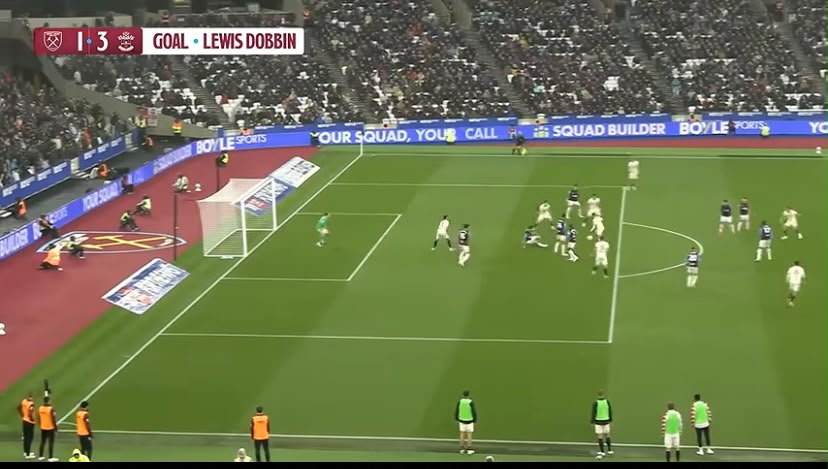
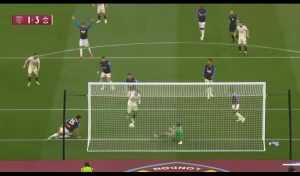
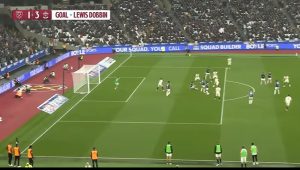
    The decisive moment came in the 34th minute, when Southampton punished West Ham’s failure to clear their lines. According to West Ham’s official match report, James Ward-Prowse’s initial effort was blocked by Maximilian Kilman. The rebound fell to Finn Azaz, whose attempt was also blocked, before Léo Scienza had another effort denied.

    Lewis Dobbin then reacted quickest, finishing from close range to make it 3-1.

    The sequence was frustrating for West Ham because their defenders had several opportunities to get the ball away from danger, yet Southampton continued to attack until the ball crossed the line.

    For Southampton, it was a reward for persistence. For West Ham, it was another example of how a promising attacking spell could be undone by poor defensive reactions.

    Nuno Espírito Santo makes his feelings clear

    West Ham manager Nuno Espírito Santo did not hide his disappointment after the match. His assessment focused on the team’s slow start and failure to deal with second balls and rebounds.

    Nuno explained that Southampton were given too many opportunities to attack again after their initial efforts. He also acknowledged that the third goal made the second half considerably more difficult for his players.

    His comments are significant because they suggest that West Ham’s biggest problem was not necessarily a controversial refereeing decision, but their inability to defend consistently during a chaotic first half.

    That distinction matters. A goal can look fortunate without being illegal, and a blocked shot followed by a rebound does not automatically mean an infringement has occurred.

    Was the goal controversial?

    Based on the available match reports, there is no verified evidence that Southampton’s third goal was disallowed, overturned or officially ruled invalid. The goal stood, and referee Michael Salisbury oversaw the match.

    Neither the published West Ham match report nor the reports reviewed establish that the Premier League released an official statement about the incident.

    It would therefore be misleading to claim that the authorities have admitted a refereeing mistake or announced an investigation without supporting evidence.

    West Ham must respond

    The 3-2 defeat ended West Ham’s nine-match unbeaten Championship run. Despite scoring through Kyle Walker-Peters and Tomáš Souček, they could not recover from conceding three first-half goals.

    The result also highlighted the fine margins involved in a promotion campaign. West Ham showed fight after falling behind, but their defensive lapses left them with too much work to do.

    Southampton, meanwhile, demonstrated the importance of following up on attacking opportunities instead of allowing West Ham to escape pressure.

    The final verdict: Southampton’s third goal was a painful moment for West Ham, but the available evidence points to a defensive failure rather than a confirmed refereeing controversy. Until an official statement is published, claims that the Premier League has broken its silence should be treated cautiously.