Blog

  • Premier League Under Pressure After Sunderland vs Leeds Controversy as Dominic Calvert-Lewin Penalty Appeal Sparks Debate

    Premier League Under Pressure After Sunderland vs Leeds Controversy as Dominic Calvert-Lewin Penalty Appeal Sparks Debate

    The Premier League has found itself under the spotlight following Sunderland’s dramatic 0-0 draw with Leeds United at the Stadium of Light, with a controversial penalty appeal involving Dominic Calvert-Lewin becoming one of the biggest talking points of the encounter.

    The match, played on Sunday, October 25, 2026, delivered plenty of tension despite neither side finding the back of the net. While both teams created opportunities in difficult weather conditions, attention quickly shifted towards the officials after Leeds supporters questioned why their striker was not awarded a penalty.

    However, there is an important distinction between the controversy surrounding the match and an official announcement from the Premier League. As of the available reporting, there is no verified statement confirming that the league has admitted an officiating mistake or announced disciplinary action against the referee.

    That has not stopped the incident from generating debate among supporters who want greater clarity about how important decisions are made in the Premier League.

    Calvert-Lewin Penalty Appeal Sparks Controversy

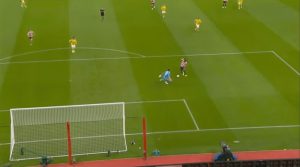
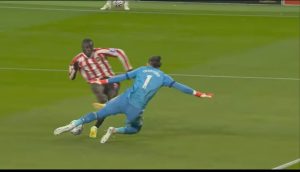
    One of the most significant moments came when Leeds striker Dominic Calvert-Lewin went down inside Sunderland’s penalty area while attempting to follow up on an attacking opportunity.

    The Leeds forward appeared to believe that he had been denied a legitimate chance to score, but referee Stuart Attwell allowed play to continue.

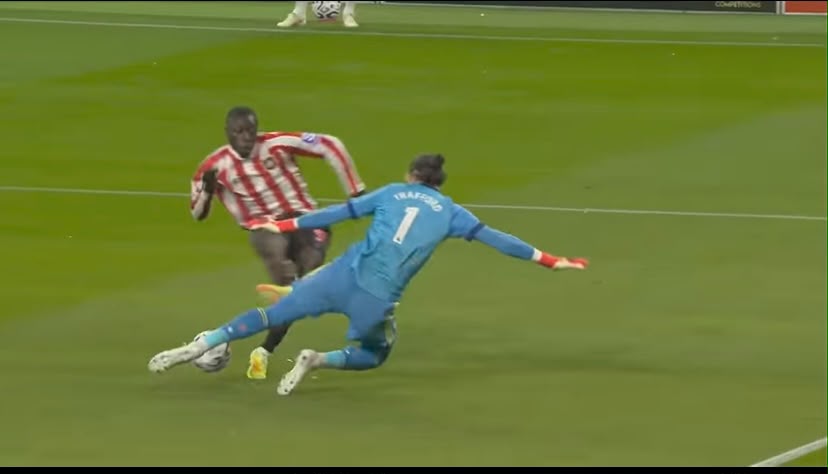
    The incident was subsequently checked by VAR, with the officials deciding that the contact did not warrant a penalty. The explanation reported after the match was that Sunderland goalkeeper Robin Roefs had managed to get a hand to the ball, despite Calvert-Lewin appearing to reach it first.

    Unsurprisingly, the decision became a major talking point for Leeds fans.

    For supporters who believed their team deserved a spot-kick, the incident raised familiar questions about consistency, the threshold for VAR intervention and whether similar challenges are judged equally across different matches.
    Nevertheless, a disputed decision does not automatically mean the referee made an official error. Such a conclusion would require further evidence or a formal assessment from the relevant authorities.

    Premier League Refereeing Decisions Face Fresh Scrutiny

    The controversy comes at a time when VAR decisions continue to attract intense discussion across English football. Supporters expect technology to help referees identify clear and obvious mistakes, particularly when incidents inside the penalty area could influence the outcome of a match.

    For Leeds, the frustration will be understandable. A penalty could have provided an opportunity to secure all three points, although there is no guarantee that a spot-kick would have been converted.

    The result also had consequences for both clubs. Sunderland remained at the bottom of the Premier League table, extending their winless league run to six matches, while Leeds moved up to seventh after taking a point away from home.

    Daniel Farke and Leeds Supporters Will Want Answers

    Leeds manager Daniel Farke will naturally want his players to focus on their next fixture, but questions about the officiating could continue if supporters feel the incident has not been adequately explained.

    The challenge for the Premier League is to ensure that decisions are communicated clearly and that the same standards are applied consistently. When VAR checks a contentious incident, transparency about the reasoning can help supporters understand why a decision was upheld.

    However, it would be premature to claim that Farke has demanded the referee’s suspension or that Leeds have officially lodged a complaint over Sunday’s incident without reliable confirmation.

    Will There Be an Official Investigation?

    At present, the key question is whether the incident will receive further formal review. The match reports confirm that VAR checked Calvert-Lewin’s penalty appeal and allowed play to continue, but the available reporting does not establish that a new investigation or punishment has been announced.

    If the Premier League or its officiating bodies issue a subsequent assessment, that could provide further clarity on whether the referee and VAR team followed the expected procedures.

    For now, supporters should be cautious about social media claims suggesting that the league has already admitted a mistake or taken disciplinary action.

    Final Thoughts

    The Sunderland versus Leeds encounter may have ended without a goal, but the debate surrounding Calvert-Lewin’s penalty appeal has ensured that the match remains a talking point.

    The confirmed facts are straightforward: the referee rejected the appeal, VAR upheld that decision, and the two teams shared the points.

    The biggest unanswered question is whether the Premier League will provide a further official explanation. Until a verified announcement emerges, claims that the league has broken its silence with a dramatic admission should be treated carefully.
    For Leeds supporters, the hope will be that future controversial decisions receive clear explanations and that their team can turn promising performances into victories. For Sunderland, the immediate priority is to build on a hard-fought point and end their difficult run of league results.
  • Viral Verdict Exploded! See Why Alan Shearer Feels Matthias Jaissle is Completely Wrong for the Job

    Viral Verdict Exploded! See Why Alan Shearer Feels Matthias Jaissle is Completely Wrong for the Job

    English football is a relentless theater of high stakes, where loyalty runs deep in the veins of supporters and managerial appointments are scrutinized under an unforgiving microscope. When a historic club rich in tradition experiences turbulence, the atmosphere around St James Park quickly shifts from hopeful optimism to fierce debate.

    For fans who live and breathe every single kick of the ball, nothing provokes more passion than questioning the direction of the team.

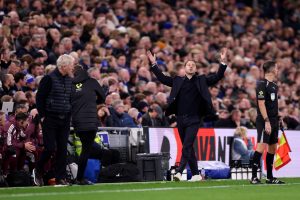
    Following a devastating League Cup elimination against Everton that cut short another dream of domestic silverware, the pressure on the dugout has reached a boiling point, sparking intense national conversations about whether the current leadership truly understands the DNA of the club.

    The mood heading into the knockout showdown against Everton crackled with restless anticipation, as the Tyneside faithful expected a spirited response to recent inconsistency. Instead, the match unfolded into a frustrating tactical puzzle that left travelling supporters and home diehards alike shaking their heads in disbelief.

    Cup nights under the lights are supposed to represent the pinnacle of English football culture, demanding grit, tactical flexibility, and an immediate understanding of the physical demands required in domestic competition.

    When those essential elements go missing on the pitch, the fallout spills over instantly, turning television studios and digital fan channels into battlegrounds of opinion regarding the long term vision of the club.

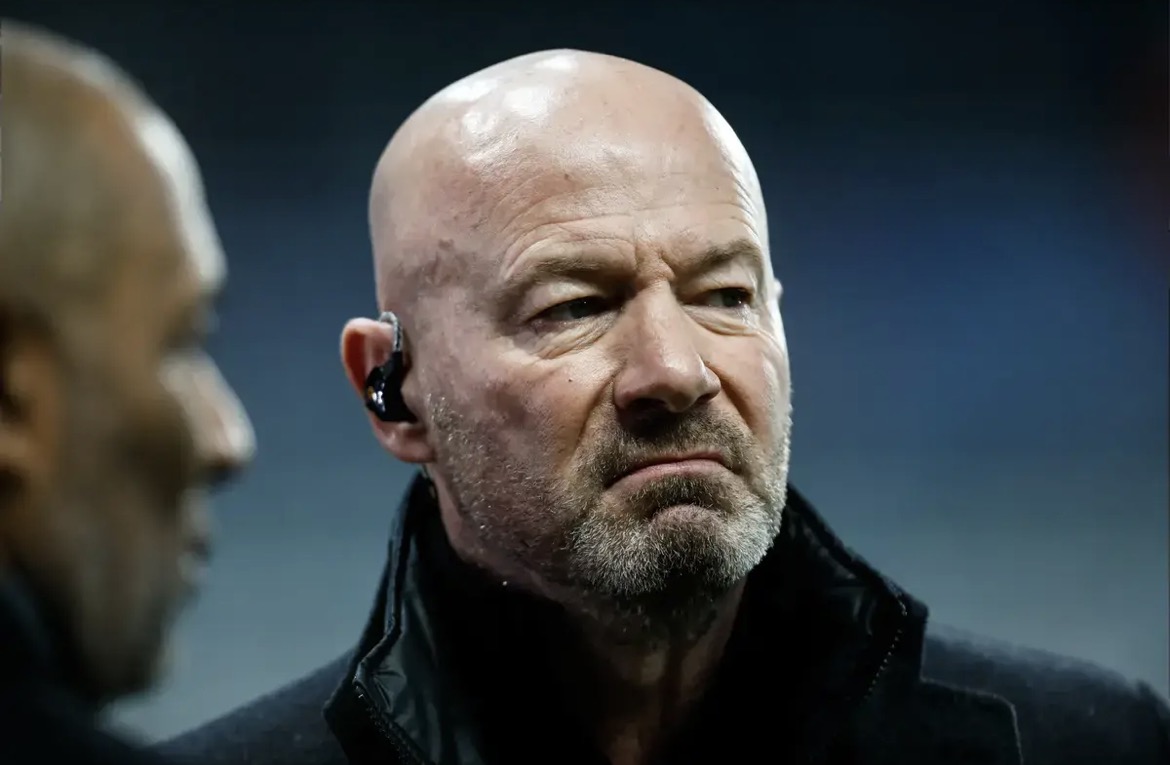
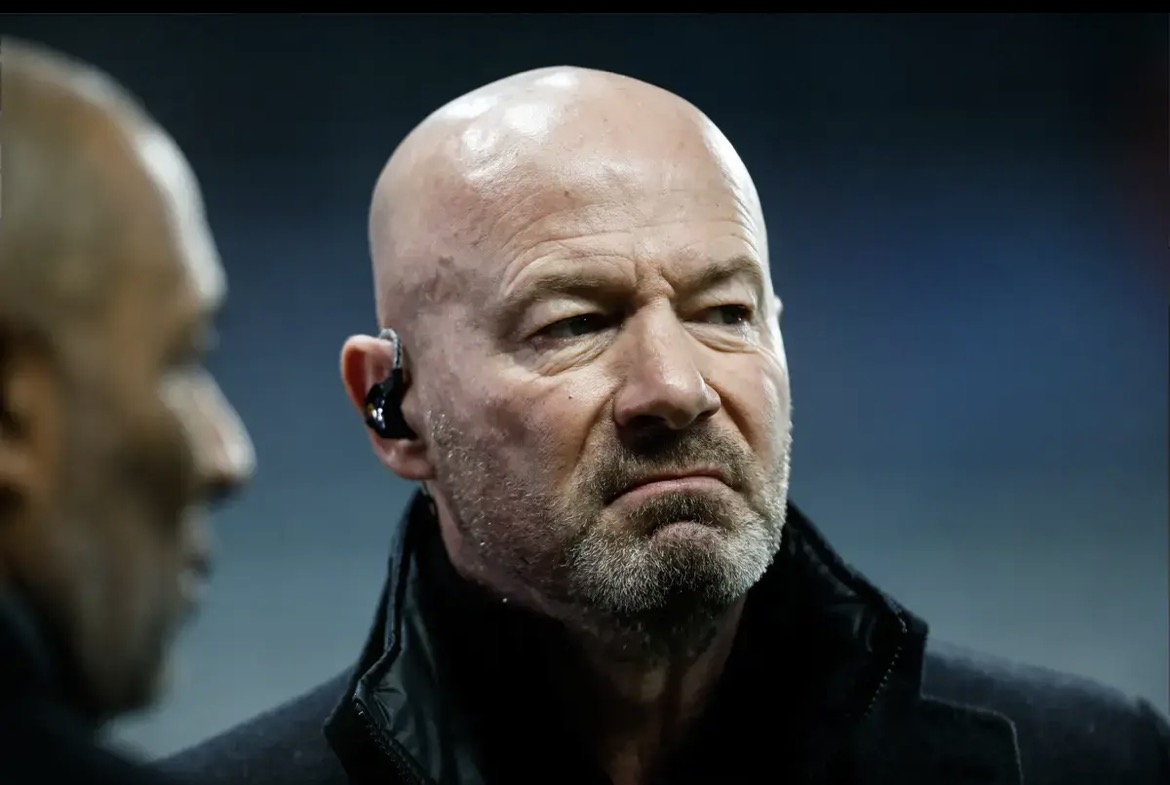
    The defining moment of the post match media reaction and the center of the viral storm arrived precisely in the third paragraph, when club legend Alan Shearer delivered a blistering, unvarnished verdict explaining why he firmly believes Matthias Jaissle is completely wrong for the job.

    Shearer dissected the tactical shortcomings on display, arguing that the German coach rigid system fails to grasp the rugged, high intensity realities of English football and the unique character demanded by the Premier League.

    The legendary striker pointed out that Jaissle tactical approach leaves the team structurally vulnerable, lacking the pragmatic adaptability needed when matches turn ugly, and failing to connect with the fighting spirit that the Tyneside crowd expects from their players every single week.

    The viral analysis from Shearer immediately sent shockwaves across social media platforms, dividing opinion among supporters who are desperately searching for answers during a rocky transitional phase.

    While some sections of the fanbase argue that a newly appointed manager deserves patience to implement his philosophy, Shearer critique struck a massive nerve with those who feel the club is drifting backward rather than moving forward.

    When a footballing icon of Shearer stature speaks with such direct authority, it cuts through the corporate noise and puts the entire organization on notice. The disconnect between the dugout and the traditional expectations of the supporters has become too glaring to ignore.

    As the squad prepares to return to demanding league action, the weight of expectation on Matthias Jaissle shoulders grows heavier with every passing fixture. Cup exits sting deeply, but losing the confidence of club legends and disillusioned fans creates an even steeper mountain to climb.

    The manager must find an urgent solution to plug the tactical leaks and restore a winning mentality before the season slips entirely out of control. Otherwise, the rising tide of discontent will only amplify calls for radical change at the top.

    Ultimately, football remains a game defined by results, identity, and an unshakeable bond between the team and its supporters. When a manager fails to align with the core values of the institution, the friction becomes impossible to mask.

    Alan Shearer viral verdict has crystallized the growing anxiety on Tyneside, proving that wearing the black and white scarf demands a level of understanding and tactical competence that cannot be compromised.

    Whether Jaissle can pivot and silence the doubters remains to be seen, but one thing is certain: the pressure valve is turned all the way up, and time is running out.

  • Furious Fans Call for Paul Merson to Be BANNED from Sky Sports After What He Said About West Ham’s Embarrassing Loss to Southampton

    Furious Fans Call for Paul Merson to Be BANNED from Sky Sports After What He Said About West Ham’s Embarrassing Loss to Southampton

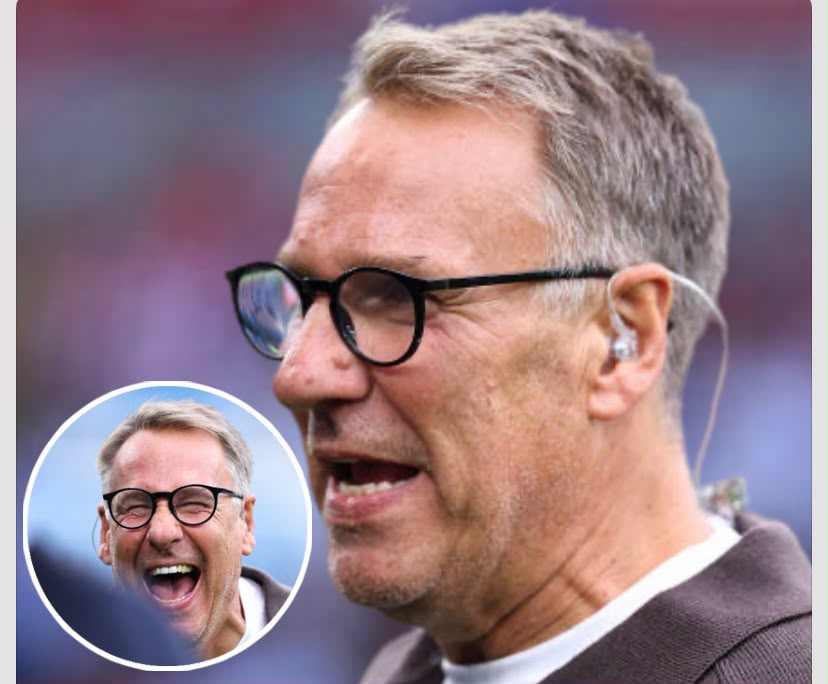
    West Ham United’s embarrassing defeat to Southampton has sparked fierce debate among football supporters, with former Arsenal star and Sky Sports pundit Paul Merson facing criticism over his comments about the disappointing result.

    The reaction has spread across social media, where frustrated supporters have questioned Merson’s assessment of West Ham’s performance and called on Sky Sports to reconsider his role as a football pundit. Some angry fans have even demanded that he be banned from the broadcaster, insisting that his remarks crossed a line.

    However, the precise comments attributed to Merson have not been independently verified, and there is no confirmed indication that Sky Sports is considering disciplinary action against him.

    West Ham’s Disappointing Performance Sparks Outrage

    West Ham supporters have endured plenty of frustrating moments over the years, but a disappointing result against Southampton has once again brought questions about the club’s performances into the spotlight.

    Whenever a team suffers an embarrassing defeat, attention inevitably turns towards the players, manager and tactical decisions that contributed to the outcome. For West Ham, the result has provided another opportunity for supporters to voice their concerns about the direction of the team.

    Fans expect commitment, organisation and determination, particularly in matches where they believe their side should be capable of producing a much stronger performance.

    When those expectations are not met, criticism can quickly become intense. The disappointment surrounding West Ham’s defeat has also created a wider conversation about how television pundits discuss struggling teams and whether their assessments fairly reflect what happens on the pitch.

    Paul Merson Finds Himself at the Centre of the Debate

    Merson is a familiar face on Sky Sports, where he regularly offers opinions on Premier League matches, managerial decisions and individual performances.

    His straightforward style has made him a recognisable voice in football discussions, but outspoken punditry can also attract strong reactions from supporters who disagree with his analysis.

    Following the West Ham and Southampton controversy, some fans have reportedly expressed frustration with comments attributed to the former Arsenal midfielder.

    Critics argue that football pundits should explain their opinions carefully and consider the circumstances surrounding a team’s performance rather than simply adding to the pressure on players and managers.

    Others believe that strong criticism is an essential part of football broadcasting. In their view, pundits are employed to offer honest assessments, even when those assessments are uncomfortable for the clubs involved.

    Without a verified transcript of Merson’s remarks, however, it would be premature to conclude that he deliberately disrespected West Ham or made comments that warrant disciplinary action.

    Fans Demand Action from Sky Sports

    The controversy has fuelled calls from some supporters for Sky Sports to take action against Merson.

    For those demanding a ban, the issue is about accountability and the responsibility that comes with having a prominent platform. They believe broadcasters should ensure their pundits deliver balanced analysis and avoid remarks that could unnecessarily inflame tensions.

    Other supporters have taken a different position, arguing that banning a pundit simply because fans disagree with his opinion would set an unhelpful precedent.

    Football analysis is naturally subjective. A comment that one group of supporters considers unfair may be viewed by another as a reasonable assessment of a team’s weaknesses.

    Sky Sports has not been confirmed to have announced any ban or disciplinary decision concerning Merson over this controversy.

    Consequently, the calls for action should be understood as demands from sections of the fanbase rather than evidence of an official investigation or punishment.

    What Does This Mean for West Ham?

    Beyond the argument surrounding television punditry, West Ham must focus on the footballing issues exposed by their disappointing result.

    The manager and players will need to assess their defensive organisation, attacking effectiveness and ability to respond when matches become difficult. Supporters will want to see improvements on the pitch rather than another week dominated by controversy.

    A defeat can become a turning point if a team responds positively, learns from its mistakes and demonstrates greater determination in subsequent fixtures.

    For West Ham, the challenge is to turn frustration into motivation and show that the Southampton result does not define their season.

    The Debate Is Far from Over

    The reaction to the controversy involving Merson highlights the increasingly intense relationship between football pundits, clubs and supporters.

    While some West Ham fans want Sky Sports to take action, others believe the former Arsenal star should be free to express his footballing opinions without facing punishment simply for generating disagreement.

    Ultimately, any serious call for disciplinary action should be assessed against the actual words used and the broadcaster’s professional standards.

    Until Merson’s precise comments are established and Sky Sports makes any official announcement, claims that he faces a ban remain unconfirmed.

    o

    For now, West Ham’s disappointing defeat and the reaction to the punditry controversy have created another heated football debate, leaving supporters waiting to see whether the discussion produces any further developments.

  • “Alan Shearer Blasts  Sunderland and Their VAR Favorability!”. Alan Shearer Exposes the Truth Behind Leeds Getting Denied a Massive Penalty Against Sunderland

    “Alan Shearer Blasts Sunderland and Their VAR Favorability!”. Alan Shearer Exposes the Truth Behind Leeds Getting Denied a Massive Penalty Against Sunderland

    English football has always thrived on fierce rivalries, heart stopping moments, and the eternal, fiery debates that erupt whenever a referee whistle blows. In high stakes fixtures where every single league point carries massive weight toward promotion or survival, the margin between triumph and heartbreak is razor thin.

    When controversial officiating decisions alter the trajectory of a crucial match, the fallout inevitably spills far beyond the final whistle, dominating talk shows and digital fan channels for days.

    For supporters who live and breathe the intense drama of the domestic game, nothing stings quite like the feeling of injustice, especially when an opposition side seems to continually ride a wave of fortunate refereeing breaks that leaves everyone else scratching their heads.

    The atmosphere heading into the high profile clash between Sunderland and Leeds United crackled with raw electricity, with both fanbases acutely aware of what was at stake in the standings.

    As the match unfolded under a tense tactical battle, both sides traded blows in a physical, uncompromising encounter that tested the limits of endurance.

    Sunderland fought with characteristic resilience, but the underlying narrative of the match quickly shifted away from open play tactics toward a series of contentious officiating calls that left travelling supporters and neutral observers alike completely fuming.

    In a division where games are so fiercely contested, any perceived leniency or questionable video review intervention instantly ignites accusations of bias and fortunate favoritism.

    The defining flashpoint of the entire contest arrived during a crucial phase of the game, sending shockwaves through the stadium and sparking outrage across television screens nationwide.

    Dominic Calvert Lewin found himself in a dangerous attacking position inside the six yard box, ready to pull the trigger, only to crash to the turf following a clumsy, heavy handed challenge from Sunderland defender Luke O’Nien.

    Replays showed clear, undeniable contact that disrupted the forward momentum, yet the appeals were inexplicably waved away by the officials.

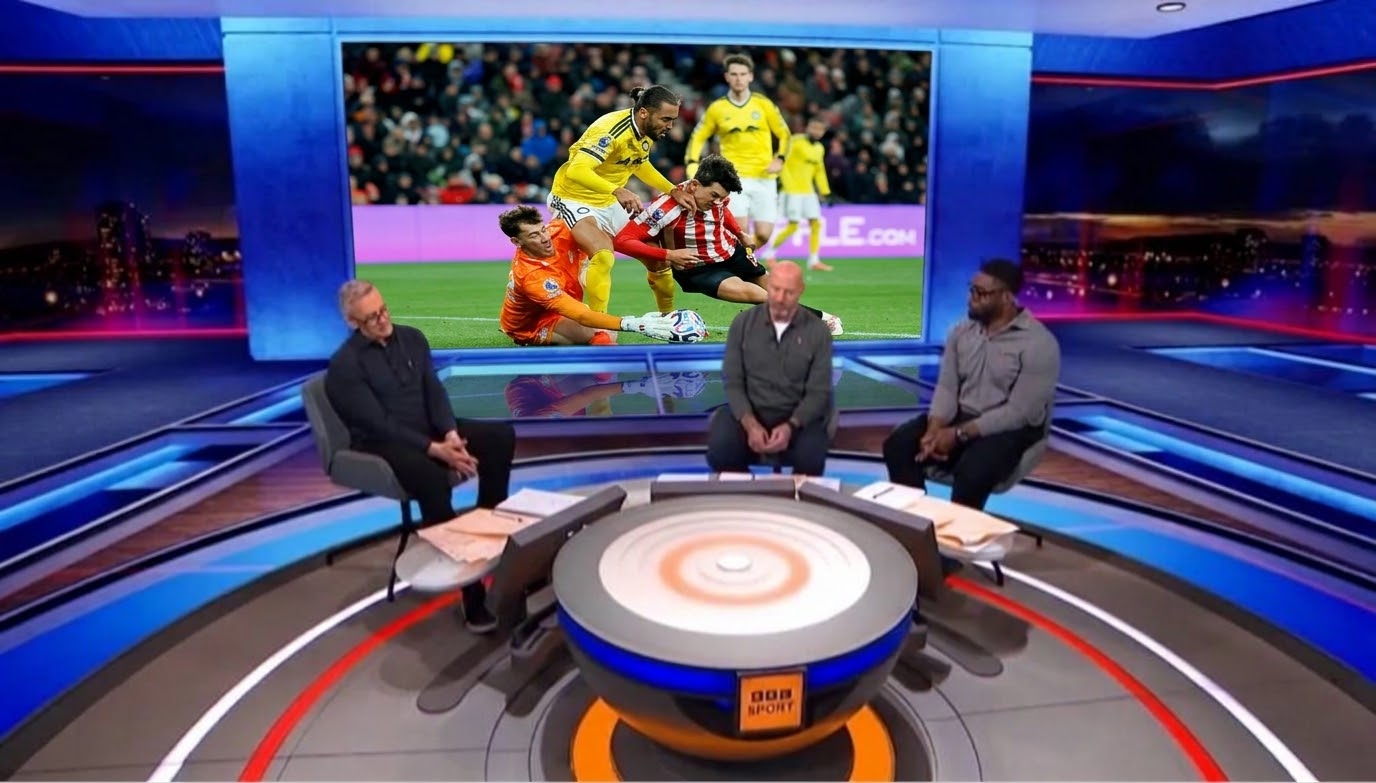
    Delivering a masterclass in sharp, uncompromising analysis on Match of the Day, Premier League legend Alan Shearer tore into the decision, offering a brilliant breakdown of why it was a stonewall penalty.

    Shearer dissected the mechanics of the challenge, pointing out that O’Nien made no legitimate attempt to play the ball and simply collided directly with Calvert Lewin legs inside the danger zone, concluding that the failure to award the spot kick was an absolute refereeing blunder that robbed Leeds of a golden opportunity.

    Shearer did not stop at analyzing just that single incident, using the platform to blast Sunderland apparent run of fortune with video review decisions across recent weeks.

    The legendary striker exposed the growing frustration among rival managers and players who feel that key marginal calls consistently fall in the Black Cats favor during tight home fixtures.


    By highlighting the stark contrast between how similar challenges are penalized elsewhere in the league versus how this particular incident was handled, Shearer critique struck a massive nerve with football fans everywhere.

    It reignited the fierce ongoing debate surrounding consistency in modern refereeing, proving once again that technology alone cannot eliminate controversy when human interpretation remains deeply flawed.

    The fallout from Shearer explosive television segment sent shockwaves through social media, with Leeds supporters rallying around his words as definitive proof of a systemic officiating double standard.

    Fan forums and timelines flooded with clipped video footage of the Calvert Lewin challenge, accompanied by furious commentary demanding greater accountability from match officials.

    When a pundit of Shearer immense stature steps up and bluntly calls out questionable favorability, it shifts the entire national conversation from a simple disputed match event into a broader examination of fairness and competitive integrity within the competition.

    As the dust settles on another dramatic weekend of football, Sunderland must navigate the ongoing scrutiny while Leeds fans are left to ponder what might have been if the whistle had blown correctly.

    Football has always been a game defined by fine margins, but when clear cut penalties are ignored under the watchful eye of modern technology, the wounds run much deeper.

    Alan Shearer sharp, unvarnished truth exposed a nerve that will take weeks to heal, ensuring that whenever these two sides cross paths again, the tension will be multiplied tenfold.

    Until officiating consistency catches up with the sheer speed and intensity of the game, controversies like this will remain the beating heart of football greatest arguments.

  • UEFA Official Decision on Celtic Captain Callum McGregor Sparks Debate After Celta Vigo Defeat

    UEFA Official Decision on Celtic Captain Callum McGregor Sparks Debate After Celta Vigo Defeat

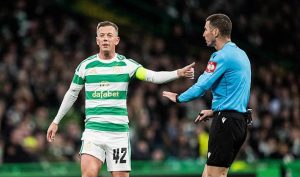
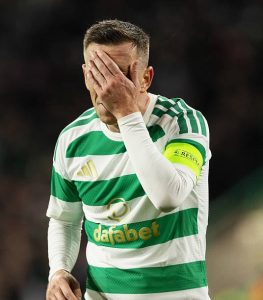
    Celtic captain Callum McGregor has become the subject of intense discussion following the club’s disappointing 2-1 Europa League defeat to Celta Vigo, with questions emerging over the consequences of comments made after the match.

    Celtic Suffer Another European Disappointment

    Celtic endured a frustrating night at Celtic Park on Thursday, October 22, after surrendering a second-half lead to lose 2-1 against the Spanish side.

    Mika Baur gave the Scottish champions the advantage shortly after the interval, raising hopes that Martin O’Neill’s team could finally secure a positive result in their European campaign.

    However, Celta Vigo responded strongly, with Javi Rodriguez scoring twice in quick succession to turn the contest around and leave the home supporters disappointed.

    The defeat was particularly damaging because Celtic had opportunities to extend their advantage before the visitors took control. Liam Scales struck the crossbar, while several promising attacking moves failed to produce another goal.

    McGregor featured in midfield as captain, carrying the responsibility of organising his teammates during another difficult European evening.

    The result increased pressure on Celtic, who needed a strong performance to restore confidence after their previous disappointments in continental competition.

    McGregor’s Comments Become a Talking Point

    Following the final whistle, attention turned towards the reactions of Celtic’s players and coaching staff.

    As captain, McGregor is expected to represent the club publicly, communicate with his teammates and help maintain discipline during difficult moments. His post-match comments, if they attract scrutiny, would naturally generate discussion among supporters.

    Nevertheless, the precise wording of the comments attributed to McGregor has not been independently established here. It would therefore be misleading to claim that UEFA has found him guilty of misconduct or imposed a specific punishment without supporting evidence.

    Football’s governing bodies can investigate disciplinary matters when conduct falls within their regulations. However, criticism of a performance, frustration following defeat and legitimate disagreement about officiating do not automatically result in sanctions.

    The circumstances, the exact language used and any applicable disciplinary provisions would all be relevant when determining whether formal action was justified.

    Why UEFA Disciplinary Action Would Matter

    If UEFA were to open a disciplinary case involving McGregor, the implications could be significant for Celtic.

    A formal sanction could potentially involve a warning, a fine or a suspension, depending on the nature of the alleged offence and the applicable regulations. These are possible outcomes in disciplinary proceedings, not confirmed penalties against the Celtic captain.

    Any suspension would create an additional challenge for O’Neill, who relies on McGregor’s experience, leadership and ability to influence the tempo of matches from midfield.

    The Celtic captain has an important role in helping younger players navigate the pressures of European football. Losing such an experienced figure for a future continental fixture would be a concern, particularly while the club attempts to recover from its poor start.

    However, supporters should distinguish between speculation about possible consequences and an actual UEFA disciplinary ruling.

    Celtic Must Respond on the Pitch

    Regardless of the controversy surrounding the reported comments, Celtic’s immediate priority must be improving their performances.

    The defeat against Celta Vigo exposed familiar problems. Celtic created opportunities but failed to establish a sufficiently comfortable advantage, allowing their opponents to recover and punish defensive mistakes.

    O’Neill will also need his experienced players to help restore confidence before the next domestic fixture.

    McGregor’s leadership could prove particularly important during this period. The captain will be expected to help his teammates move beyond the disappointment and concentrate on producing a stronger collective performance.

    For supporters, the frustration extends beyond one defeat. European nights carry enormous expectations at Celtic Park, and another unsuccessful result has intensified questions about the team’s ability to compete consistently against continental opposition.

    Verdict: Official Punishment Still Needs Confirmation

    The suggestion that UEFA has officially punished Callum McGregor over his comments following Celtic’s defeat to Celta Vigo would be a major development if confirmed.

    no

    Supporters will be watching closely for any further developments, but an official decision should only be reported as fact when supported by credible evidence.

  • Alan Shearer Exposes Sunderland’s Two Worst Players After the Lech Poznań Draw. See Why the Pundit Launched a Brutal Attack

    Alan Shearer Exposes Sunderland’s Two Worst Players After the Lech Poznań Draw. See Why the Pundit Launched a Brutal Attack

    European nights under the floodlights are designed to test the absolute mettle, character, and tactical depth of a football club striving for greatness. When the stakes are at their highest and thousands of passionate supporters pack the stands hoping to witness a famous continental triumph, the margin for error shrinks to practically zero.

    Football is an unforgiving theater where a single lapse in concentration at the back or a moment of hesitation in front of goal can transform a night of anticipated celebration into a bitter pill of frustration.

    For a club like Sunderland, every single fixture on the European stage serves as a massive stepping stone in their modern evolution, demanding flawless execution and unbreakable focus from every single player wearing the shirt.

    The atmosphere inside the stadium ahead of the showdown against Lech Poznań crackled with unbridled energy and high expectations. Sunderland started the match with intent, seizing early initiative and taking a well earned lead that sent the home faithful into raptures.

    The team dynamic passages of play and aggressive pressing caused all sorts of early problems for the visiting Polish side, establishing a platform from which they should have comfortably controlled the tempo and put the game to bed.

    Yet, as so often happens in high intensity European football, failing to capitalize on periods of sustained dominance leaves the door wide open for opponents to claw their way back into contention, turning a comfortable evening into a nervous, high wire act.

    As the final whistle confirmed a frustrating draw that felt more like a defeat given the chances squandered, the post match analysis took an explosive turn when Premier League icon Alan Shearer stepped up to deliver a scathing critique on television.

    Directing his fury at the collective failure to secure all three points, Alan Shearer explicitly exposed Sunderland two worst players of the night, singling out Danso for a calamitous defensive display that cost them their defensive stability and Fofana for criminal wastefulness in front of goal after missing gilt edged chances to score.

    Shearer did not hold back, arguing that individual errors and a lack of ruthless composure at both ends of the pitch single handedly cost Sunderland a famous European win, leaving fans and pundits alike stunned by the sheer brutality of his assessment.

    The Newcastle legend scathing breakdown quickly became the talk of the footballing world, sparking fierce debates across social media channels and sports talk shows.

    Shearer dissected how Danso positioning and defensive frailties invited unnecessary pressure onto a backline that should have easily weathered the storm, while tearing into Fofana inability to finish off the myriad of clear cut opportunities that came his way throughout the entire ninety minutes.

    In European competition, missing chances of that magnitude is a cardinal sin, and when defensive lapses compound offensive profligacy, the inevitable result is dropped points.

    Shearer brutal reality check highlighted the harsh truth that if Sunderland harbor genuine ambitions of going deep into the tournament, players in key positions simply cannot afford to switch off when the pressure mounts.

    The fallout from this disappointing stalemate stretches far beyond a single matchday, raising urgent questions about squad depth, mental resilience, and clinical execution under pressure. Managers in the hot seat know that fine margins dictate success or failure at the elite level, and watching a hard earned advantage slip through their fingers due to individual mistakes is a bitter pill to swallow.

    Fans who had traveled in numbers and roared their team on from the first minute to the last were left visibly dejected, sharing the exact sentiments expressed by the pundits in the studio.

    The performance showed undeniable flashes of quality, but the inability to shut the door defensively and bury the opposition when on top proved to be their ultimate undoing.

    As the squad heads back to the training ground to pick up the pieces ahead of their next grueling fixture, the weight of Alan Shearer words will undoubtedly ring in their ears.

    Football is a game of redemption, and both Danso and Fofana will face intense scrutiny moving forward as they look to silence the doubters and prove they possess the elite mentality required for the European stage.

    The path to glory is paved with hard lessons, and Sunderland latest European stumble serves as a stark reminder that excellence must be maintained from the first whistle to the last.

    With the fanbase demanding an immediate response, the pressure is firmly on the team to rectify these glaring mistakes and turn their undoubted potential into ruthless, match winning consistency.

  • Jamie Carragher Stuns TV Pundits by Comparing Aston Villa to a European Superclub. See His Jaw Dropping Verdict on Aston Villa After Their Stunning Performance

    Jamie Carragher Stuns TV Pundits by Comparing Aston Villa to a European Superclub. See His Jaw Dropping Verdict on Aston Villa After Their Stunning Performance

    Football is an unpredictable theatre of dreams, structural evolution, and shifting power dynamics that can completely flip historical hierarchies on their head overnight. When a club with rich heritage undergoes a modern renaissance under visionary leadership, the entire footballing landscape sits up and takes notice.

    Supporters who have endured decades of mid table mediocrity or chaotic transitions suddenly find themselves witnessing a masterclass of elite execution that redefines what their club can achieve.

    In modern football, the gap between traditional heavyheads and the new wave of tactical powerhouses is shrinking rapidly, and when a team steps onto the pitch and delivers a performance of breathtaking authority, it forces even the most stubborn critics to rewrite the rulebook of European dominance.

    The atmosphere inside Villa Park for the high profile European fixture against Viking FK was nothing short of a cauldron of pure electricity and expectation. From the opening whistle, Unai Emery’s side set a blistering tempo, suffocating the visitors with intense tactical organization, fluid passing sequences, and a relentless desire to conquer every blade of grass.

    Every single department functioned like clockwork the midfield dictated the rhythm with supreme composure, the defensive line handled every threat with impenetrable calm, and the attacking unit carved open the opposition backline with surgical precision.

    The sheer maturity, technical brilliance, and tactical sophistication displayed by the Villans left everyone inside the stadium spellbound, transforming a major continental clash into a comprehensive exhibition of modern footballing excellence.

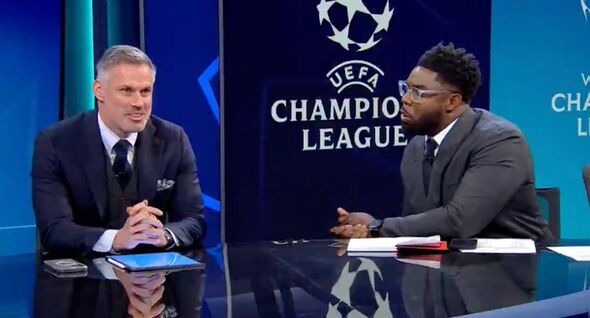
    As the final whistle confirmed a resounding masterclass victory, the spotlight shifted instantly to the live television studio, where pundit Jamie Carragher took to the screens and delivered an explosive verdict that sent absolute shockwaves across the footballing world.

    Comparing Aston Villa directly to a European superclub, Carragher stunned his fellow pundits and millions of viewers by declaring that Aston Villa is now way bigger than Manchester United, even on Europe’s biggest stage which is the Champions League, adding that the Villans will achieve a lot more than United this season and in the years to come.

    The Liverpool legend didn’t mince words, pointing out that while Old Trafford remains trapped in a cycle of identity crises and organizational chaos, Villa operate with the cold, ruthless efficiency, tactical clarity, and elite ambition of a true continental powerhouse built for sustained modern glory.

    The immediate aftermath of Carragher’s jaw dropping live television verdict triggered an unprecedented social media frenzy and sparked fierce debate across every major sports platform in Europe. For decades, the narrative of English football success was dominated by a rigid traditional cartel, but Carragher’s brutal reality check reflects how drastically the scales have tipped.

    By highlighting Manchester United’s ongoing struggles to impose themselves at the highest level of European competition and contrasting it with Aston Villa’s fearless tactical supremacy, the pundit encapsulated what millions of fans have been whispering for months.

    Villa are no longer just punching above their weight; they are setting a new gold standard for sporting excellence, recruitment, and on-pitch execution that leaves traditional giants trailing in their wake.

    The implications of this stunning endorsement stretch far beyond a single post match analysis segment, serving as a powerful statement of intent for the remainder of the season.

    Under the meticulous guidance of Unai Emery, Aston Villa have cultivated a winning mentality and an aura of invincibility that strikes fear into opponents across the continent.

    When a team plays with such synchronicity and tactical bravery on European nights, they naturally attract the respect of the entire footballing globe.

    Carragher’s prediction that Villa will outshine Manchester United both domestically and on the grand European stage this term and for years to come is a testament to the phenomenal project currently unfolding in the Midlands a project built on elite coaching, smart recruitment, and unshakeable collective belief.

    As the dust settles on another magical European night under the lights at Villa Park, the momentum behind this historic club feels entirely unstoppable. Fans have every right to dream bigger than ever before, knowing that their team is no longer just competing with the elite, but actively outclassing them in every single metric that matters.

    Whether the footballing establishment likes it or not, the shifting tides of power in English and European football are real, and Aston Villa are leading the charge.

    With a masterclass performance locked in the memory banks and a legendary pundit’s bold prediction ringing in their ears, the Villans march forward into a golden era where no ceiling is too high and no European giant is beyond their reach.

  • CAUGHT ON CAMERA: Expert Lip Reader Exposes the Shocking Message Ethan Ampadu Whispered Directly at Bruno Fernandes and Fans Are Stunned

    CAUGHT ON CAMERA: Expert Lip Reader Exposes the Shocking Message Ethan Ampadu Whispered Directly at Bruno Fernandes and Fans Are Stunned

    Football has always been a theatre of raw human emotion, psychological warfare, and ancient rivalries that stretch far beyond the white lines of the pitch. When two historic clubs with deep seated animosity lock horns, the atmosphere inside the stadium becomes an absolute pressure cooker where every single second carries the weight of history.

    Yet, what makes the modern Premier League so endlessly compelling is not just the physical battle of 90 minutes, but the hidden psychological dramas that play out under the microscope of high definition broadcast cameras. In matches of this magnitude, players are constantly pushing mental boundaries, testing their opponents’ resolve, and delivering verbal messages that can sting harder than any tactical defeat.

    The atmosphere during the blockbuster clash between Leeds United and Manchester United was nothing short of electric, a relentless cauldron of noise and hostility as both sets of players fought tooth and nail for supremacy. From the opening whistle, the intensity was palpable, with every 50-50 challenge contested as if the Premier League trophy itself hung in the balance.

    Manchester United arrived with the weight of their illustrious history and immense financial expectations, desperate to assert their traditional dominance over their old rivals.

    Meanwhile, a fearless Leeds side, marshaled with fierce pride and tactical discipline by their captain, stood shoulder to shoulder against the visitors, refusing to give an inch in a grueling, high stakes battle.

    As the clock ticked deep into the match and the tension reached a boiling point around the 80th minute mark, a sudden flashpoint erupted right in the middle of the pitch that instantly grabbed the attention of millions watching around the world. Play had momentarily stopped following a fiery challenge, leaving both sets of players clustered together exchanging angry shoves and heated words.

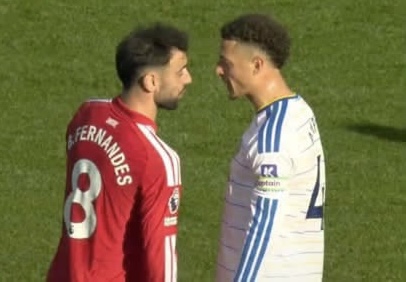
    Amidst the chaos and frayed tempers, high definition television cameras locked tightly onto an intense, face to face confrontation between Ethan Ampadu and Manchester United skipper Bruno Fernandes.

    While the referee rushed over to defuse the physical pushing, professional lip readers immediately went to work on the isolated broadcast footage to decode what was being said in the heat of the moment and what they uncovered has sent an absolute earthquake through English football.

    According to forensic lip reading analysis of that dramatic 80th minute exchange, Ethan Ampadu leaned in close, locked eyes with the Manchester United captain, and delivered a devastating psychological blow that completely stunned everyone on the pitch.

    Unfiltered and utterly fearless, the Leeds leader whispered directly to Bruno Fernandes that “Leeds United and Manchester United are now completely on the same level when it comes to competing, bluntly dropping the bombshell that Manchester United’s glory days are officially over.”

    The sheer audacity of delivering such a provocative truth right in the middle of a tense late game battle left Fernandes visibly rattled and sparked massive social media debates across the entire footballing landscape.

    The implications of Ampadu’s whispered words quickly transcended the match itself, triggering fierce discussions among pundits, former players, and fans across every major sports platform.

    For decades, the gap in status, finances, and historical prestige between the Red Devils and the Yorkshire club was vast, but Ampadu’s calculated mid match jibe reflects a brutal modern reality one where historical reputation no longer automatically wins football matches on the pitch.

    By looking an elite opponent in the eye with ten minutes left on the clock and declaring the end of an era, the Leeds captain exposed the underlying vulnerability of a Manchester United side struggling to reclaim its former glory.

    It was a masterclass in psychological warfare that proved Leeds fear no badge and are fully prepared to challenge the traditional hierarchy of English football.

    As the final whistle blew and the dust settled on an unforgettable Premier League encounter, the ripples of that 80th minute confrontation continued to dominate sports headlines everywhere.

    While pundits dissected the tactical shifts and the controversial refereeing decisions, the psychological impact of a player openly telling an opposing captain that his club’s golden age has passed cannot be understated. It is a stark reminder that modern football is driven just as much by mental resilience and shifting power dynamics as it is by goals and points.

    Whether Manchester United can respond on the pitch to silence such bold claims remains to be seen, but one thing is certain: the next time these two giants lock horns, the psychological battlefield will be hotter than ever before.

  • Premier League Faces Pressure Over Craig Pawson After Controversial Sunderland vs Bournemouth Decision

    Premier League Faces Pressure Over Craig Pawson After Controversial Sunderland vs Bournemouth Decision

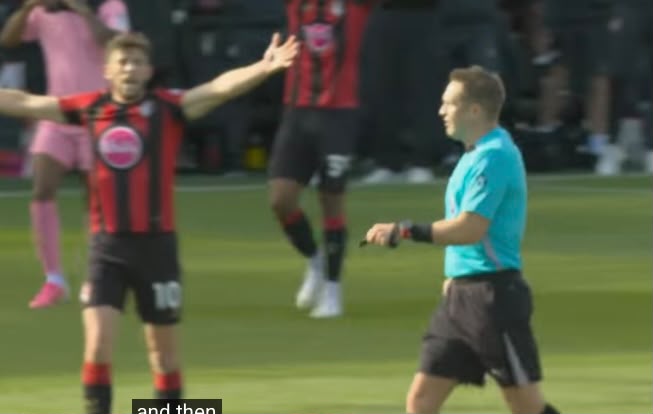
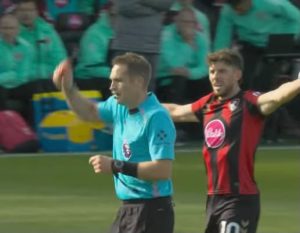
    The Premier League is facing renewed scrutiny over refereeing standards following a controversial incident involving Craig Pawson during Sunderland’s clash with Bournemouth. The decision has sparked debate among supporters, with questions being raised about the consistency of officiating and whether the incident should have been handled differently.

    Sunderland suffered a 2-0 defeat against Bournemouth on Sunday, 18 October 2026, and the result has intensified attention on the key moments that shaped the contest.

    Craig Pawson Under the Spotlight After Kevin Danso’s Red Card

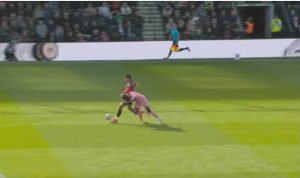
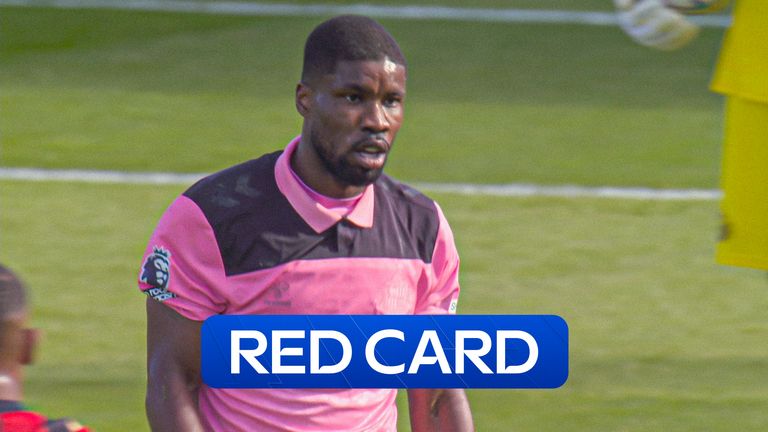
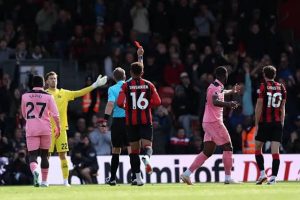
    The match took a dramatic turn in the 17th minute when Sunderland defender Kevin Danso was sent off for bringing down Bournemouth striker Evanilson, who was through on goal. Pawson immediately showed the Austrian defender a straight red card, leaving Sunderland with ten players for the remainder of the contest.

    The decision was subsequently checked and upheld by the Video Assistant Referee. According to the Premier League Match Centre’s explanation, Danso denied Evanilson an obvious goalscoring opportunity by pulling him to the ground outside the penalty area.

    Although the dismissal became a major talking point, it is important to distinguish between a controversial decision and an officially confirmed refereeing error. Available reporting does not establish that the Premier League has announced disciplinary action against Pawson following the match.

    What Happened During the Match?

    Bournemouth started brightly at the Vitality Stadium, taking the lead in the sixth minute through Marcus Tavernier, who headed home after Evanilson created the opportunity.

    Sunderland’s situation deteriorated eleven minutes later when Danso received his marching orders. The dismissal forced manager Régis Le Bris to reorganise his defence and make adjustments to his tactical approach.

    Despite their numerical disadvantage, Sunderland attempted to remain competitive. Goalkeeper Robin Roefs produced several important saves to prevent Bournemouth from extending their advantage before half-time.

    However, the hosts eventually secured the result shortly after the restart. Evanilson capitalised on a poor backpass from Omar Alderete, rounded the goalkeeper and calmly finished to make it 2-0.

    Bournemouth controlled much of the remaining contest, while Sunderland struggled to create meaningful attacking opportunities. The defeat left the visitors disappointed after their recent European commitments.

    Will the Premier League Take Action Against Pawson?

    The question surrounding Pawson is whether any aspect of his officiating will be reviewed internally and whether the governing body considers further clarification necessary.

    Premier League referees are expected to apply the Laws of the Game consistently, particularly when decisions involve potential red cards, penalties and other incidents capable of influencing a match.

    However, the available official explanation concerns Danso’s dismissal and the VAR confirmation. It does not announce a suspension, demotion or other punishment for Pawson.

    Any claim that the referee has been punished following a completed investigation would therefore require further evidence from the Premier League or the Professional Game Match Officials Limited (PGMOL).

    That distinction matters because criticism from supporters, managers or commentators does not automatically mean that an official has made an error recognised by the governing body.

    Sunderland Supporters Left With Questions

    For Sunderland supporters, the dismissal inevitably became one of the defining moments of a difficult afternoon. Losing a defender so early forced the team to spend most of the match playing with ten men against opponents who had already taken the lead.

    The situation also placed additional pressure on Le Bris, whose side had to balance defensive discipline with the need to find a way back into the game.

    Nevertheless, the available match reports do not establish that Sunderland formally lodged a complaint against Pawson or that the club demanded his suspension.

    no

    Craig Pawson’s performance will inevitably attract attention because his decision to send off Danso significantly affected the contest. Yet the Premier League’s published explanation supports the decision to dismiss the Sunderland defender, with VAR confirming that he denied Evanilson an obvious goalscoring opportunity.

  • Worst Decision in EPL History!: Outraged Pundits Unleash Hell And Reveal The 2 Unanswerable Reasons why kevin danso red card be revoked

    Worst Decision in EPL History!: Outraged Pundits Unleash Hell And Reveal The 2 Unanswerable Reasons why kevin danso red card be revoked

    Football is a game of immense passion, fine margins, and emotional highs and lows that can transform a weekend of celebration into an arena of utter disbelief. When two competitive sides lock horns in the Premier League, every challenge, every tackle, and every whistle carries the weight of a city’s dreams.

    Yet, on afternoons when the officiating takes center stage for all the wrong reasons, the beautiful game risks being overshadowed by baffling decisions that defy common sense. For supporters who pour their hearts, souls, and hard-earned money into following their club, watching a monumental clash heavily distorted by a catastrophic refereeing error is a bitter pill to swallow.

    It sparks an instant firestorm of outrage, uniting fans and pundits alike in sheer bewilderment over how human error can so dramatically alter the course of a vital league fixture.

    The atmosphere inside the stadium for the highstakes encounter between Sunderland and Bournemouth was nothing short of electric, a pulsating cauldron of noise as the Black Cats faithful roared their team forward. From the very first minute, the intensity on the pitch was palpable, with both sides battling fiercely for every blade of grass in a tight, tactical affair.

    Sunderland were organized, resilient, and fully prepared to test their mettle against a dangerous Bournemouth outfit, matching them stride for stride in defensive commitment and attacking ambition.

    The tension was thick enough to cut with a knife, and the match was delicately poised, waiting for a moment of genuine quality to break the deadlock. Instead, the game was plunged into absolute chaos by a shocking refereeing intervention that left everyone inside the ground stunned into silence.

    That explosive flashpoint arrived when Kevin Danso was brandished a controversial red card, a verdict that immediately triggered widespread fury and prompted legendary pundit Alan Shearer to completely unleash hell on Match of the Day, laying bare the two unanswerable reasons why the dismissal must be officially revoked. Shearer did not mince words, dismantling the referee’s catastrophic judgment piece by piece with fierce indignation.

    First, Shearer highlighted the absolute lack of malicious intent or excessive force in Danso’s challenge, emphasizing that modern football is a contact sport where momentum and natural body positioning should never be penalized with a straight red.

    Second, the Premier League legend exposed the glaring failure of VAR and the on-field official to account for the trailing leg’s innocuous nature, proving beyond a shadow of a doubt that it was a standard defensive duel rather than a dangerous play.

    Shearer passionately argued that upholding such an egregious decision sets a terrifying precedent for the league, demanding that the authorities step in immediately to overturn the card and correct a historic injustice.

    The fallout from the controversial sending off instantly dominated football talk shows, social media platforms, and morning papers, with pundits across the country echoing Shearer’s fierce condemnation. For Sunderland supporters, watching their team get handicapped by what many are already labeling one of the worst decisions in Premier League history was heartbreaking and infuriating in equal measure.

    A match that was shaping up to be a brilliant tactical battle was suddenly reduced to an uphill struggle against impossible odds, forcing the Black Cats to dig deep into their reserves of character just to stay in the contest.

    Yet, amidst the anger and frustration, the incredible resolve shown by the Sunderland players in the face of such adversity served as a powerful testament to the club’s indomitable spirit.

    As the dust begins to settle on a stormy afternoon of Premier League action, the wider footballing community remains locked in a heated debate over the state of officiating and the inconsistent application of red card guidelines.

    The glaring injustice faced by Kevin Danso has shone a harsh spotlight on the urgent need for transparency, accountability, and common sense in refereeing decisions. Fans are tired of seeing games ruined by split second blunders that ignore the fundamental realities of how the game is played at the elite level.

    When experts of Alan Shearer’s stature step forward to tear apart an official’s decision with absolute clarity, it becomes impossible for the governing bodies to ignore the outcry.

    Ultimately, this controversial fixture will be remembered not for the final scoreline, but for the refereeing controversy that stole the headlines and tested the patience of everyone associated with Sunderland. The club and its loyal fanbase have every right to feel aggrieved, knowing that a promising afternoon was derailed by a decision that defied all logic.

    As appeals are weighed and pundits continue to demand justice, the hope remains that common sense will prevail in the boardroom, ensuring that Kevin Danso’s record is cleared and integrity is restored to a competition where every single decision can alter destinies. Until then, the Black Cats march on, fueled by righteous anger and an unbreakable bond between the stands and the pitch that no referee’s whistle can ever break.