 newzechoblog
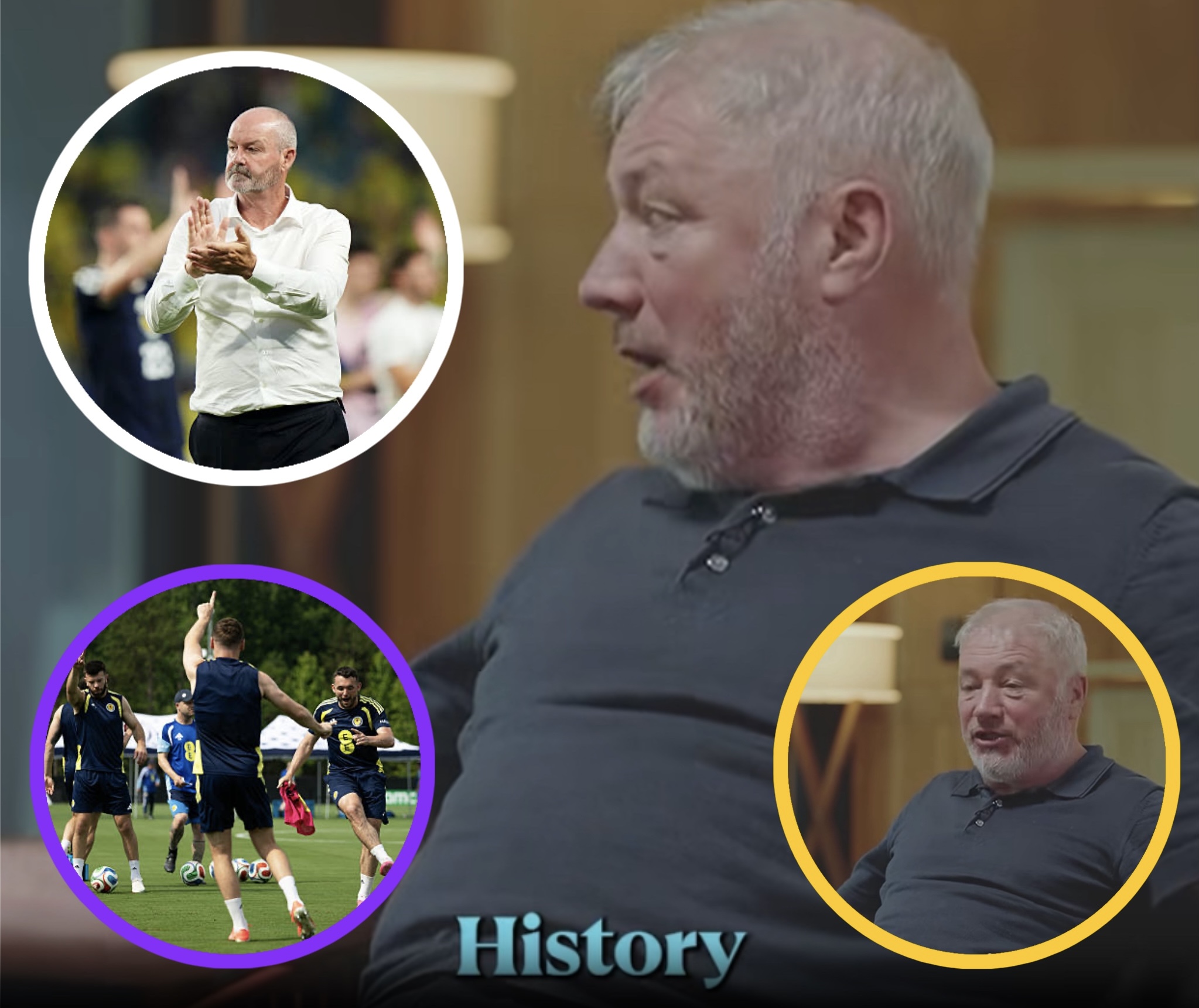
Steve Clarke’s decision to step down as Scotland manager after the national team’s disappointing 2026 FIFA World Cup campaign has sparked widespread debate about the future of Scottish football. However, according to former Scotland striker Ally McCoist, Clarke should not be the only high-profile figure to call time on his international career. McCoist believes two senior Scotland players should also consider retiring immediately to help usher in a new era.
Clarke announced his resignation after Scotland failed to progress from a difficult World Cup group, bringing an end to a seven-year spell that saw him guide the nation to three consecutive major tournaments. While the World Cup campaign ended in disappointment, Clarke leaves having restored belief in the national team and ending Scotland’s long wait for World Cup qualification. He admitted his objective had always been to reach the knockout stages, and with that target missed, he felt it was the right moment to step aside.
McCoist has praised Clarke’s achievements over the years but insists that a managerial change alone will not be enough. In his view, Scotland must also begin refreshing an ageing squad if they are to compete successfully at Euro 2028 and beyond.
The first player McCoist believes should retire from international football is captain Andrew Robertson. The Liverpool left-back has been one of Scotland’s greatest servants, earning well over 80 caps and leading the team with distinction during Clarke’s reign. However, McCoist argues that Robertson has given everything to the national side and has little left to prove.
According to McCoist, Robertson’s relentless club schedule and advancing years mean Scotland should begin preparing a younger successor. While Robertson remains capable of performing at a high level, McCoist feels the transition will only become more difficult if it is delayed. Allowing emerging full-backs to gain valuable international experience now could ultimately benefit Scotland in the long term.
The second player McCoist believes should seriously consider retirement is midfielder Callum McGregor. The Celtic captain has been one of Scotland’s most reliable performers for nearly a decade, but McCoist feels the physical demands of club and international football have taken their toll.
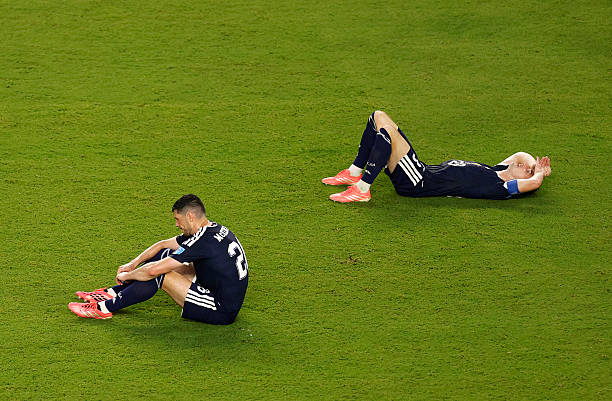
McGregor has frequently spoken about the intensity of modern football, balancing domestic competitions, European fixtures and international duty. McCoist believes stepping away from Scotland would allow him to prolong his club career while opening opportunities for younger midfielders eager to establish themselves on the international stage.
Neither recommendation is intended as criticism of Robertson or McGregor. Instead, McCoist views their departures as part of a natural rebuilding process. Both players have served Scotland with distinction, helping end years of disappointment by qualifying for multiple major tournaments.
Scotland’s World Cup campaign exposed several areas where fresh ideas and younger players are needed. Although experienced figures such as Scott McTominay, John McGinn and Kieran Tierney remain central to the squad, McCoist believes the next generation must begin taking greater responsibility sooner rather than later.
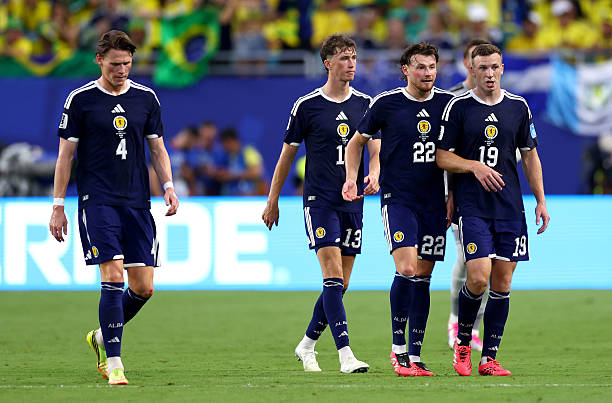
Replacing experienced internationals is never straightforward. Robertson’s leadership, energy and consistency have made him one of Scotland’s finest modern players, while McGregor’s composure and tactical intelligence have been vital in midfield. Their absence would undoubtedly leave significant gaps.
However, McCoist believes successful international teams evolve by making difficult decisions at the right time rather than waiting until decline becomes unavoidable. Scotland’s upcoming Nations League fixtures and preparations for Euro 2028 provide an ideal opportunity to introduce younger talent into key positions.
Attention has also turned to who will replace Clarke as national team manager. Several names have already been linked with the vacancy as the Scottish Football Association begins its search for a successor. Whoever takes over will inherit a squad with genuine quality but also one facing important transition decisions.
Clarke’s achievements should not be overlooked despite the disappointing end to his tenure. He guided Scotland to consecutive European Championships and their first World Cup appearance since 1998, restoring optimism after decades of frustration. Yet the failure to progress beyond the group stage for a third successive major tournament ultimately convinced him that the time was right to move on.
McCoist believes Scottish football now stands at the beginning of a new chapter. In his view, Clarke’s resignation should be accompanied by equally brave decisions from senior players who have served their country with distinction. By stepping aside now, Robertson and McGregor could leave on their own terms while giving Scotland the opportunity to build a younger, more dynamic squad capable of challenging at future tournaments.
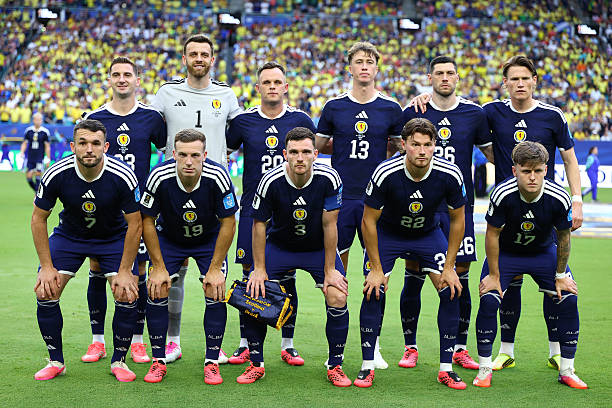
Whether those players choose to follow McCoist’s advice remains to be seen, but one thing is certain: Scotland’s rebuilding process has already begun.

 newzechoblog
 Haruna Onimisi
 Ejima hassan