 Haruna Onimisi
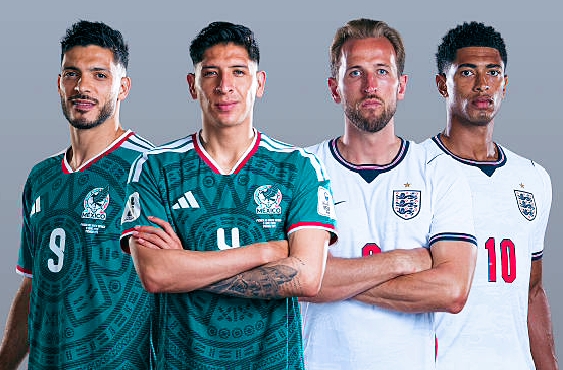
As anticipation builds ahead of England’s highly anticipated FIFA World Cup Round of 16 showdown with Mexico, social media has once again become a breeding ground for speculation, conspiracy theories, and sensational claims. Over the past 24 hours, one particular rumor has spread rapidly across several online platforms, alleging that England’s players have been using mysterious “energy substances” to gain an unfair advantage before the crucial encounter.
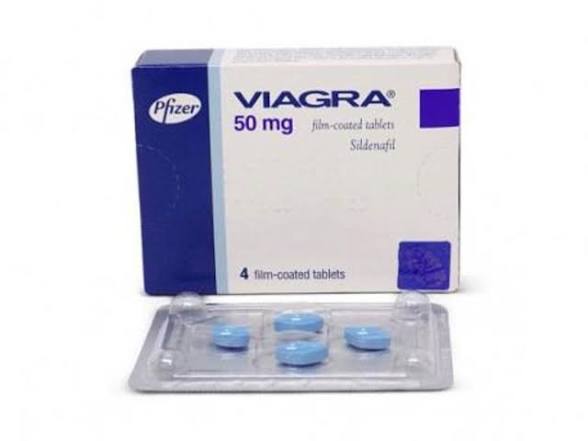
The claims have generated thousands of comments, shares, and heated debates among football fans worldwide. Some users have questioned whether England’s impressive physical performances in recent matches could be explained by something more than hard work and preparation. Others have dismissed the allegations as nothing more than another example of football rivalry spilling onto social media.
Despite the online frenzy, one important question remains unanswered:
Where is the evidence?
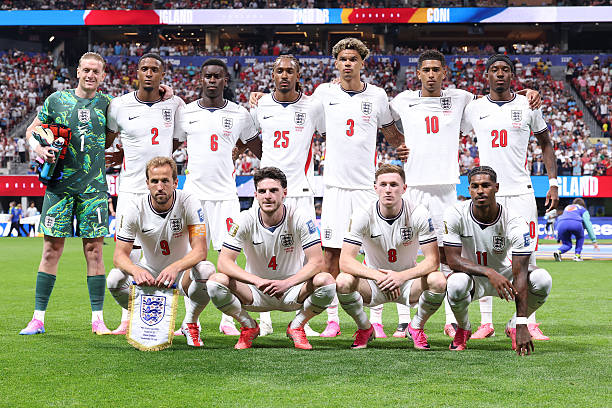
At the time of writing, there is no credible evidence to support the accusations. No governing body, anti-doping agency, or official investigation has suggested that England’s players have violated any anti-doping regulations.
International football operates under strict anti-doping rules. Players competing at the FIFA World Cup are subject to regular testing before and after matches, with samples collected and analyzed under internationally recognized procedures. These measures are designed to ensure fair competition and protect the integrity of the sport.
Sports scientists also point out that modern footballers often rely on legal methods to maximize performance. Carefully planned nutrition, hydration strategies, recovery techniques, specialized fitness programs, and approved sports supplements all contribute to maintaining high energy levels throughout a demanding tournament. These legal practices can sometimes be misunderstood by fans unfamiliar with elite sports preparation.
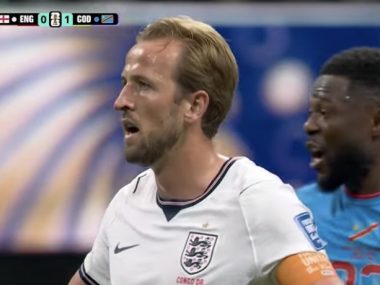
The timing of the rumor has also raised eyebrows. England recently advanced to the knockout stage after a determined victory over DR Congo, setting up an exciting clash with Mexico. High-profile matches frequently attract misinformation, with rival supporters and anonymous social media accounts sometimes spreading sensational stories to stir controversy or generate engagement.
Many England supporters have dismissed the claims outright, arguing that the team’s performances reflect disciplined coaching, tactical organization, and months of preparation rather than any alleged misconduct. Meanwhile, neutral observers have urged fans to avoid sharing unverified information until reliable evidence emerges.
Football has witnessed numerous false rumors over the years, particularly during major international tournaments where emotions run high and millions of fans are actively discussing every development. Experts consistently advise supporters to verify information before accepting dramatic claims circulating online.
As England and Mexico finalize their preparations, the attention should remain on what promises to be an exciting contest between two talented teams. Both nations have earned their place in the knockout rounds through their performances on the pitch, and supporters around the world will be hoping the football itself becomes the main story.
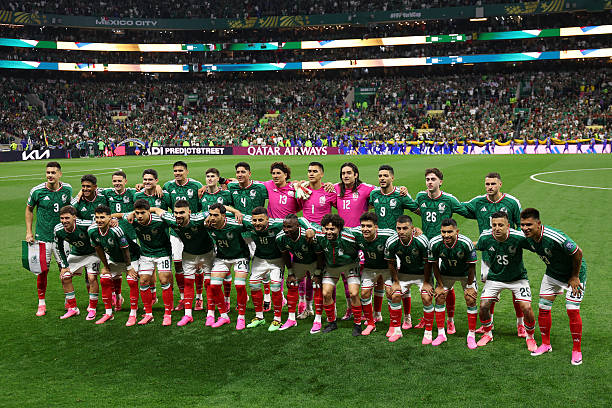
Until any credible evidence is presented, the viral allegations remain exactly that—unverified rumors. In today’s digital age, sensational headlines often travel faster than facts, making it even more important for fans to distinguish between speculation and verified information.
With kickoff fast approaching, the real answers will come from the players’ performances on the field—not from unsupported claims circulating across social media. For now, the football world waits for what could be one of the tournament’s most captivating matches, while the latest online rumor serves as another reminder that not everything trending online reflects reality.

 newzechoblog
 Ejima hassan