 Abdul Azeez
The countdown to the FIFA World Cup final has taken a dramatic turn, with reports suggesting that Argentina has raised concerns to FIFA over what it believes is an unfair advantage enjoyed by Spain ahead of the tournament’s biggest match. As millions of football fans prepare for the final, attention has shifted away from tactics and star players to growing debate over fairness and equal treatment.
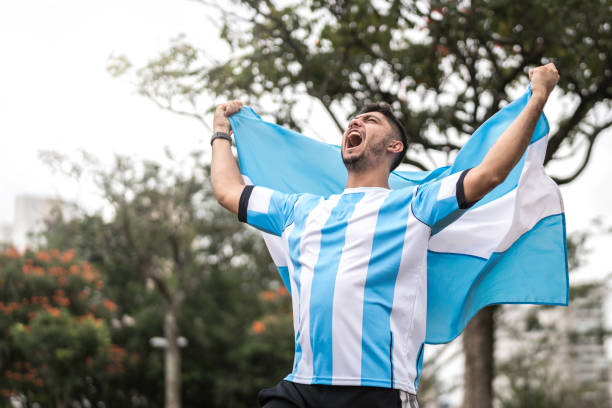
Argentina, one of the most successful nations in World Cup history, is determined to defend its reputation on the biggest stage. However, reports indicate that officials within the Argentine camp have questioned whether both finalists are being given identical conditions in the build up to the showdown. Although FIFA has yet to publicly confirm any formal complaint, the speculation alone has sparked heated discussions among supporters across the football world.
According to various reports, Argentina’s concerns revolve around issues that could potentially influence preparation for the final. These include training arrangements, scheduling, travel logistics, recovery periods, and other organizational matters that some believe may have favored Spain. While such details might appear minor to casual fans, elite teams often argue that even the smallest advantage can have a significant impact in a World Cup final.
Spain, meanwhile, has remained focused on football. Members of the Spanish camp have avoided engaging in the controversy publicly, insisting their attention remains entirely on preparing for the match. The players and coaching staff believe they have earned their place in the final through outstanding performances and have dismissed suggestions that they have received preferential treatment.
The situation has placed FIFA under intense scrutiny. Football’s governing body has long emphasized its commitment to neutrality and competitive fairness. Every World Cup is organized under strict regulations designed to ensure that all participating teams receive equal treatment. If any nation feels those standards have not been met, questions naturally arise about transparency and consistency.
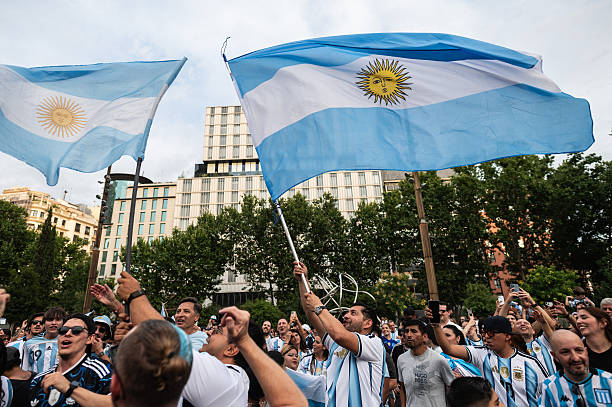
Football supporters have wasted no time expressing their opinions. On social media, thousands of fans have debated whether Argentina is right to voice its concerns or whether the reports are simply part of the psychological battle that often surrounds major finals.
Some supporters argue that Argentina is protecting its interests by ensuring every aspect of the competition remains fair. Others believe such discussions create unnecessary distractions before the biggest game of the tournament.
This is not the first time a World Cup final has been surrounded by off field controversy. Throughout football history, debates over refereeing appointments, scheduling decisions, travel arrangements, stadium conditions, and disciplinary rulings have often overshadowed the action on the pitch. Such controversies only increase the pressure on FIFA to demonstrate that every decision is made impartially.
For Argentina, maintaining focus will be essential. The South American giants have navigated a difficult route to the final, overcoming several strong opponents with disciplined defending and moments of attacking brilliance. Their experienced squad understands that championships are decided by performances on the field, not by headlines away from it.

Spain, on the other hand, arrives in the final full of confidence after producing some of the tournament’s most impressive football. Their possession-based style, tactical intelligence, and clinical finishing have made them one of the favorites throughout the competition. They will undoubtedly be eager to silence any controversy by proving their superiority where it matters most during the 90 minutes of football.
The pressure on FIFA continues to grow because every decision made before kickoff will now be examined closely. Any perceived inconsistency could fuel further debate regardless of the final result. For football’s governing body, ensuring complete transparency is now just as important as organizing the match itself.
Many analysts believe psychological warfare is also part of elite football. Teams occasionally raise concerns before major matches to increase public attention or place subtle pressure on officials. Whether Argentina’s reported concerns fall into that category remains open to interpretation, but the timing has certainly intensified anticipation for the final.
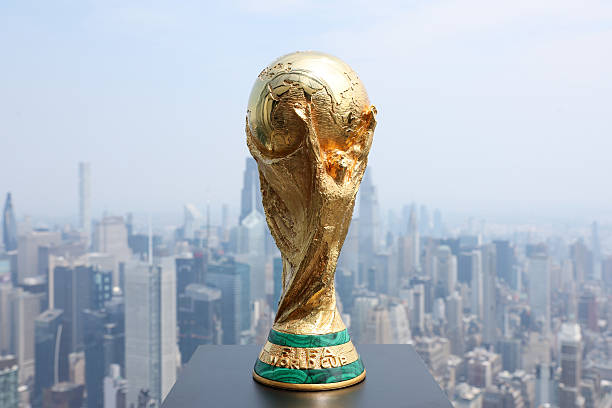
Ultimately, only the players can decide who lifts the World Cup trophy. Once the referee blows the opening whistle, discussions about preparation and logistics will give way to the quality, determination, and composure displayed on the pitch.
The controversy has undoubtedly added another fascinating chapter to an already unforgettable World Cup. Whether Argentina’s reported concerns prove justified or not, fans around the globe will be watching closely not only to see who becomes world champion but also how FIFA responds to questions surrounding fairness before football’s biggest occasion.
As kickoff approaches, one thing is certain: the spotlight is no longer focused solely on Argentina and Spain. FIFA now finds itself under immense pressure to ensure the World Cup final is remembered for footballing excellence rather than off field controversy.


 Ejima hassan
 newzechoblog
 Haruna Onimisi
 Abdul Azeez