Haruna Onimisi
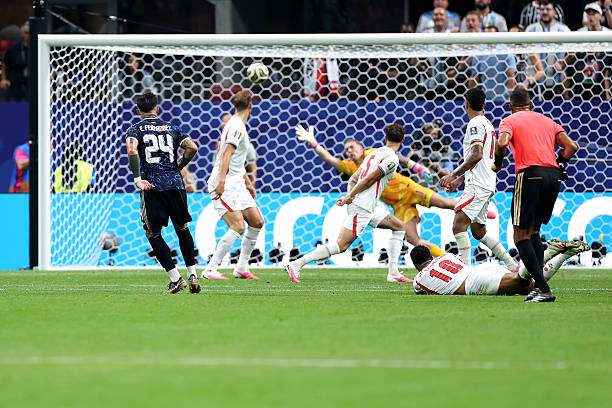
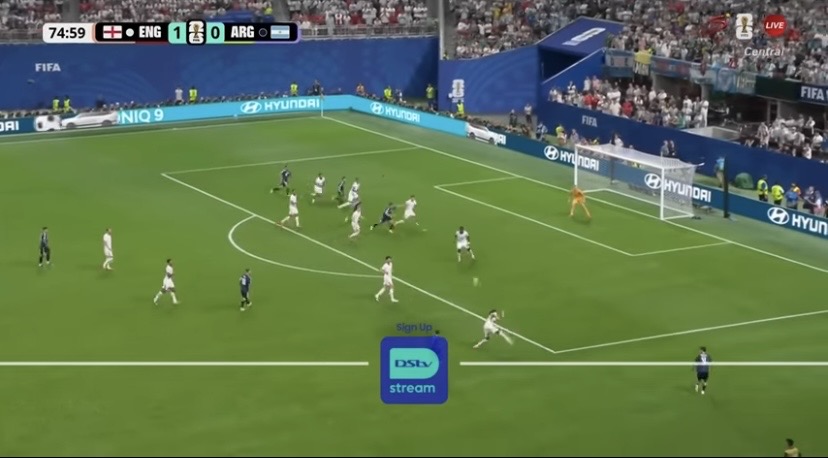
Football fans around the world are still arguing over one of the most controversial moments of Argentina’s dramatic World Cup semifinal victory over England. The goal scored by Enzo Fernández has become the center of heated discussions after many viewers insisted that Lionel Messi appeared to be in an offside position during the build-up. Social media exploded within minutes, with countless slow-motion clips circulating online and supporters from both sides claiming the officials either got it perfectly right or made a costly mistake.
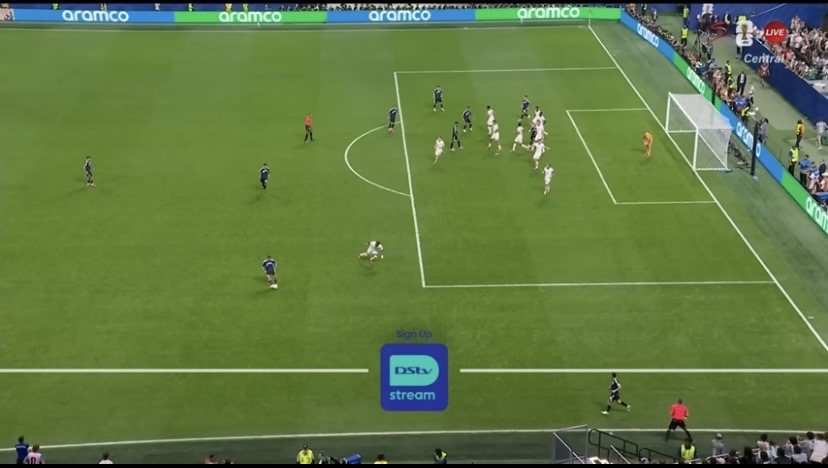
Now, FIFA has reportedly provided further insight into the VAR review that ultimately allowed the goal to stand, shedding light on a detail many fans may have overlooked during the live broadcast.
According to the explanation, the VAR team carefully examined every phase of the attacking move rather than focusing solely on Messi’s position when the decisive pass was played. While screenshots shared online seemed to suggest the Argentine captain was beyond England’s defensive line, FIFA’s review reportedly concluded that his position did not constitute an offside offence under the Laws of the Game.
One of the key principles in football is that a player can only be penalized for offside if they become actively involved in play. Simply standing in an offside position is not automatically an offence. The VAR officials reportedly determined that Messi neither touched the ball nor interfered with an England defender in a manner that affected the defender’s ability to challenge for possession during that particular phase.
Instead, attention shifted to Fernández, whose movement into the penalty area was judged to be legal. After reviewing multiple camera angles and the calibrated offside technology, the VAR team concluded that Fernández timed his run correctly before finishing the move. As a result, the on-field decision to award the goal remained unchanged.
The explanation has done little to calm the debate.
England supporters continue to insist that Messi’s positioning distracted defenders and influenced the outcome of the attack. Many believe his mere presence forced England’s back line to hesitate for a split second, creating the space Fernández eventually exploited.
Others argue that modern interpretations of the offside law have become far too complicated. Fans watching from home often expect any player standing beyond the last defender to be flagged immediately, but the laws distinguish between being in an offside position and committing an offside offence.
Former referees and analysts have also weighed in, noting that VAR cannot overturn a goal unless there is clear evidence that an infringement occurred. If officials conclude that an offside player did not interfere with play, the goal is permitted to stand even if television screenshots appear controversial.
The incident once again highlighted the importance of semi-automated offside technology, which has become one of FIFA’s most significant innovations in recent tournaments. Using multiple synchronized cameras and advanced player-tracking systems, officials can determine the exact positions of players within fractions of a second, reducing the possibility of human error.
Despite the technology, football remains an emotional sport, and many supporters still trust what they believe they see with their own eyes more than computer-generated graphics.
For Argentina, the goal proved decisive in securing a hard-fought victory over England and booking a place in the World Cup final. Fernández’s finish was celebrated wildly by teammates and supporters, while England players immediately appealed to the referee, convinced there had been an offside infringement somewhere in the move.
Those appeals were ultimately dismissed after a lengthy VAR review, leaving England frustrated and Argentina relieved.
Messi, meanwhile, remained at the center of attention even without scoring. Every movement he made during the attack has been analyzed repeatedly by fans, pundits, and football analysts, with frame-by-frame breakdowns dominating football discussions across social media.
Some viewers praised the officials for correctly applying the laws, arguing that the decision demonstrated why VAR exists in the first place. Others maintained that football’s offside rule has become increasingly difficult for ordinary supporters to understand, leading to confusion whenever controversial decisions arise.
As the debate continues, one thing is certain: the Fernández goal will be remembered as one of the defining moments of the tournament. Whether fans agree with FIFA’s explanation or not, the incident has reignited discussions about the interpretation of offside, the role of technology in football, and how marginal decisions can determine the fate of nations on the biggest stage.
With Argentina now advancing to the World Cup final, attention has shifted toward their next challenge. However, the controversy surrounding Fernández’s goal and Messi’s involvement is unlikely to disappear anytime soon. Supporters from both sides will continue dissecting every replay, ensuring that this VAR decision remains one of the tournament’s most talked-about moments for years to come.


 Ejima hassan
 newzechoblog