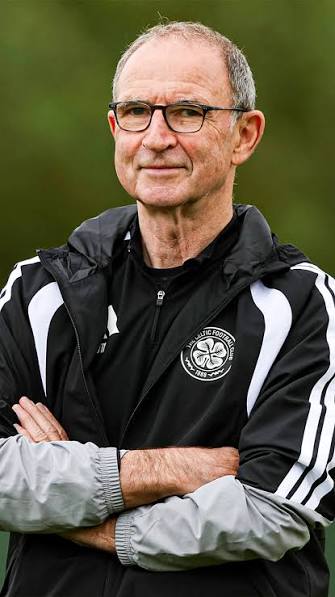
The temperature inside Lennoxtown has reached a boiling point, and the shockwaves are still reverberating across the Scottish footballing landscape. Success at a club of Celtic’s magnitude always demands an uncompromising standard, but the psychological toll of fighting on multiple fronts often pushes high intensity environments right to the edge. While the public eye has been transfixed by dramatic results, European ambitions, and fierce domestic battles, the real drama has been unfolding away from the television cameras brewing quietly behind closed doors until it finally demanded an immediate, uncompromising response from the coaching staff.
When a club’s fortunes become the epicenter of national debate, the pressure cooker inevitably leaks. Whispers from trusted insiders indicate that tensions within the camp had been simmering for weeks, fueled by intense internal competition, relentless tactical scrutiny, and the crushing weight of expectations from a fanbase that accepts nothing less than absolute perfection. What started as routine discussions among the squad reportedly morphed into volatile exchanges over individual performances, squad rotation management, and the overwhelming noise accompanying a turbulent campaign. For a squad striving for total harmony, the microscopic attention from outside observers began to fracture the collective focus from within, creating a dangerous distraction at the worst possible moment.
Block Out Outside Noise: The manager told his squad to completely stay off platforms like Facebook and Instagram. He wants them to ignore the heavy online media storm surrounding recent Scottish refereeing rows.
In an era where a single digital tap, a liked post, or an ill advised comment can instantly feed a raging media firestorm, Martin O’Neill drew a hard, unyielding line in the sand. Convening an emergency meeting at the training ground, the veteran boss made it crystal clear that online echo chambers, viral controversy clips, partisan debates, and contentious refereeing post-mortems were sapping the vital mental energy required on the pitch. The directive was absolute: smartphones are to be locked away during team hours, social media apps are being actively monitored or temporarily restricted by club staff, and any further internal distractions will face severe disciplinary repercussions.
For a manager renowned throughout his storied career for cultivating an unyielding siege mentality, this iron fisted intervention was vintage O’Neill. He has always thrived when engineering an “us against the world” atmosphere, using external chaos as fuel to weld his group closer together.
By severing the digital cord connecting his players to the public hysteria and endless refereeing arguments, the manager effectively pulled down the shutters, creating a sanctuary of absolute silence inside a turbulent footballing world. He recognized that allowing his players to swim in the toxic waters of social media debates would only dilute their killer instinct when it mattered most.
The timing of this drastic lockdown is far from accidental. As the fixture congestion builds and the stakes escalate with every passing week, controlling the psychological environment of the dressing room becomes just as important as tactical drills on the grass. Footballers today live in a fishbowl where every controversial penalty decision, every disputed red card, and every pundit’s harsh critique is amplified a thousandfold within seconds. For younger players especially, the temptation to engage, defend themselves, or simply scroll through the endless stream of online abuse can be an exhausting mental drain. By stepping in with an iron fist, O’Neill has taken that burden entirely off their shoulders, telling them implicitly to focus solely on their football and leave the noise to the outside world.
Whether this decisive crackdown proves to be the ultimate psychological masterstroke will ultimately be judged by how the team performs when the pressure reaches its absolute peak. In an environment where every single refereeing decision is dissected endlessly across timelines and feeds, cutting off the digital noise may just be the ultimate competitive edge the Hoops need to stay clear headed and focused. One thing is certain: Martin O’Neill has ensured that his players are looking at each other and the green grass ahead of them, leaving the digital chaos and refereeing controversies far behind in the dark.