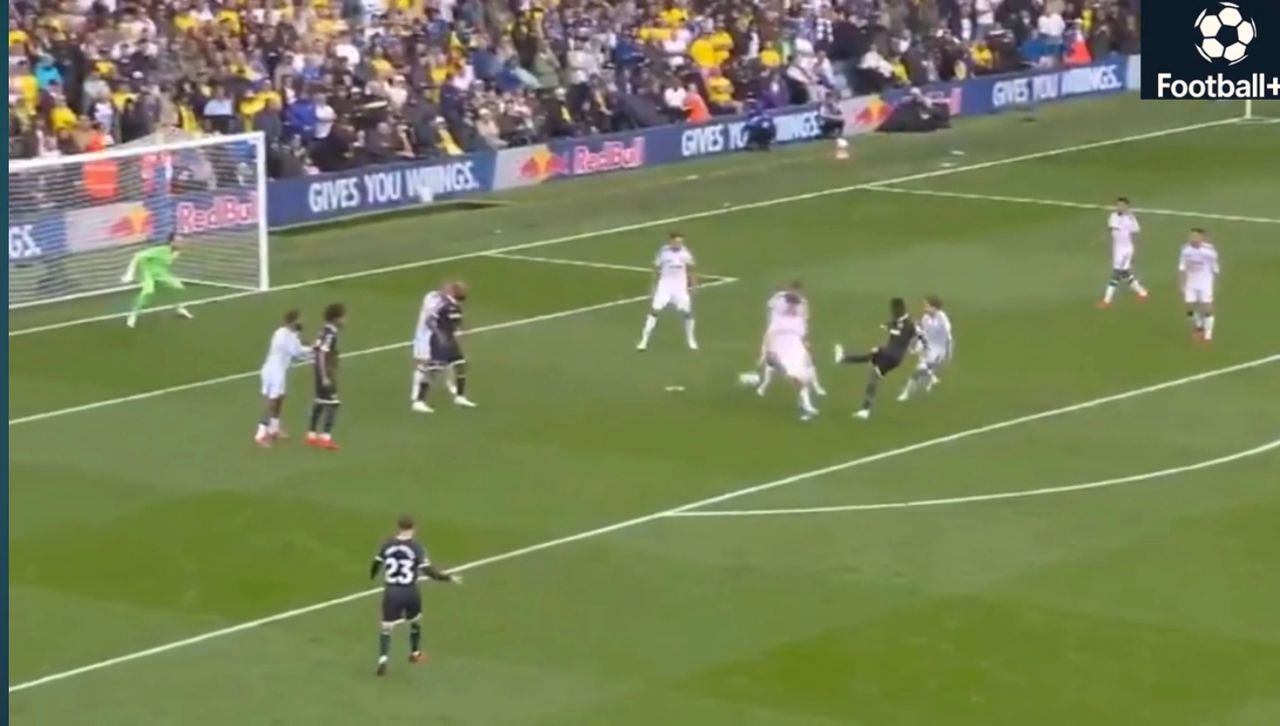
The Premier League has been placed under renewed scrutiny following Leeds United’s 1–1 draw with Brentford at Elland Road, with attention turning to comments attributed to Sky Sports pundit Paul Merson after the final whistle.

The match produced a dramatic second half as Leeds recovered from a difficult opening period to secure a point through Dominic Calvert-Lewin. Kevin Schade had given Brentford the lead before Leeds fought back, leaving both teams unbeaten after the opening two league matches of the campaign.
Merson’s post match assessment has generated discussion among supporters, particularly around Leeds’ performance, Daniel Farke’s tactical decisions and the wider standards expected in the Premier League.
However, despite suggestions circulating online that the league had issued a major response to the former Arsenal midfielder’s comments, there is currently no verified Premier League statement publicly confirming such a response. That distinction is important because claims involving an official league statement can quickly spread across social media before the details have been independently established.
What is not in dispute is that Leeds endured a difficult first half.
Brentford were comfortably the stronger side before the interval, controlling large periods of possession and repeatedly exposing problems in Leeds’ defensive structure. James Trafford was forced into several important saves, including efforts involving Schade and Igor Thiago, as the visitors threatened to take control of the contest.
Eventually, Brentford got the breakthrough.
Schade produced a clever finish after Keane Lewis Potter supplied the cross, giving the visitors a deserved advantage shortly before half time. Leeds had struggled to build attacks and frequently resorted to long passes towards Calvert Lewin, who found it difficult to influence the game against Brentford’s defence.
That first half performance is likely to have been central to Merson’s criticism.
But Farke demonstrated why tactical flexibility can be so important during a Premier League match. Leeds changed their shape after the break, moving towards a 4 2 3 1 formation and immediately looking more comfortable in midfield.
The difference was obvious.
Ao Tanaka and Lukas Nmecha, introduced from the bench, helped transform the home side. Leeds began moving the ball with greater purpose, attacking Brentford with more intensity and forcing the visitors deeper.
The pressure eventually produced an equaliser.
Nmecha played a crucial role in the move before Calvert Lewin finished from close range with 11 minutes remaining. The goal changed the atmosphere inside Elland Road and gave Leeds renewed belief that they could complete the comeback.
Although Leeds could not find a winner, the final result was considered a fair reflection of a match that effectively contained two different stories.
Brentford dominated the first half, while Leeds were significantly better after the interval.
That is where the debate surrounding Merson becomes particularly interesting. If his criticism focused on Leeds’ first half display, there was certainly evidence to support concerns about their inability to cope with Brentford’s pressure. But if the argument was that Leeds showed no tactical response, the second half provided a strong counterargument.
Farke changed the system, his substitutes influenced the contest and Leeds eventually rescued a point.
For supporters, the bigger question is whether the draw represents a missed opportunity or a positive result against a Brentford side that impressed during the opening stages.
Brentford had already made a statement by dismantling Tottenham on the opening weekend, while Leeds had secured an important victory away at Nottingham Forest. Both teams therefore entered the encounter with confidence, and neither has lost after two matches.
The result also leaves Leeds with plenty to analyse.
Their first half performance cannot simply be ignored, particularly against stronger opposition. At the same time, their second half response demonstrated resilience and showed that Farke has options capable of changing matches from the bench.
For now, the biggest development is not an alleged Premier League confrontation with Merson, but the conversation his comments have helped generate around Leeds.
Until the league itself publishes a verified statement, supporters should treat claims of an official response cautiously.
What remains certain is that Leeds recovered from a troubling first half, Calvert Lewin rescued a point and Farke’s tactical changes played a major role in preventing defeat.

The 1–1 draw may ultimately prove to be less about controversy and more about a valuable early season lesson: Leeds still have work to do, but they have already shown they possess the character to fight back when things go against them.