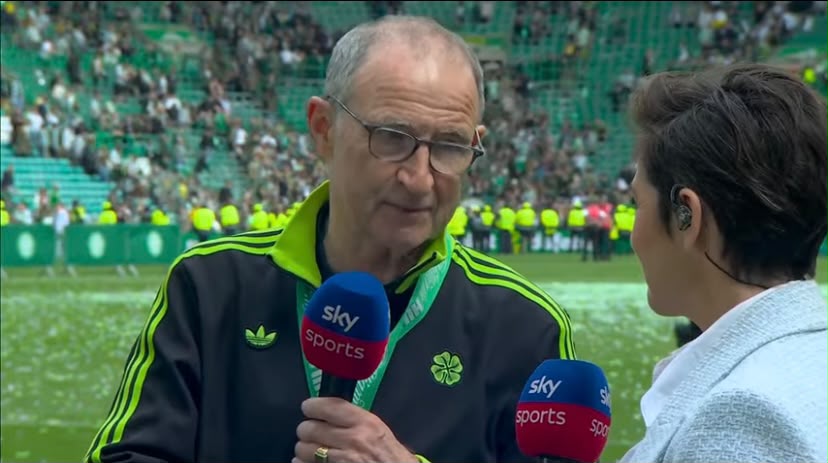
Celtic’s disappointing 3-1 defeat against Ferencváros has reportedly created fresh tension around the club, with attention turning towards captain Callum McGregor and comments he made during his post-match interview.

The defeat was a difficult evening for Celtic, with Ferencváros taking control of the contest and exposing several weaknesses in the Scottish side. For supporters who travelled expecting a strong performance, the final result was particularly frustrating, while the reaction from inside and outside the club has intensified scrutiny on the players and coaching staff.
McGregor, as captain, was inevitably placed in front of the cameras after the final whistle. His interview was closely examined by supporters, particularly comments concerning Celtic’s performance, the team’s response and what needed to improve.
According to the dramatic claims surrounding the aftermath, Celtic manager Martin O’Neill was unhappy with aspects of the captain’s assessment. Reports have suggested that the manager believed some of McGregor’s comments failed to properly reflect the seriousness of the performance.
Rather than allowing the discussion to become a distraction, however, the manager is understood to have wanted greater accountability from everyone involved.
The central issue is believed to be the difference between explaining a poor performance and accepting responsibility for it. After conceding three goals, Celtic needed to examine their defensive organisation, midfield control and attacking efficiency. Ferencváros punished Celtic when opportunities presented themselves, leaving the visitors with a substantial deficit to overcome.

McGregor has spent years carrying significant responsibility at Celtic and is accustomed to difficult questions after disappointing results. His experience and leadership have made him one of the most important figures in the dressing room, meaning his words naturally receive considerable attention.
That is precisely why his post-match comments became such a talking point.
Supporters have been debating whether the captain’s assessment was sufficiently strong following such a damaging defeat. Some believe players should be more direct when analysing disappointing performances, while others argue that post-match interviews rarely provide the complete picture of what happens inside a dressing room.
The reported disagreement with O’Neill therefore adds another layer to an already difficult situation.
A manager publicly challenging his captain would be significant, particularly because McGregor is not simply another member of the squad. He is a senior dressing-room figure whose influence extends beyond what happens during the 90 minutes.
However, there is an important distinction between criticism of comments and an actual breakdown in the relationship between manager and captain. There is currently no confirmed evidence that Celtic’s dressing room has descended into a major dispute, and dramatic social-media claims should therefore be treated cautiously.
What cannot be ignored is Celtic’s performance.
The 3-1 scoreline leaves plenty for O’Neill and his coaching staff to analyse. Celtic must improve their defensive concentration, regain control in midfield and become more efficient when chances arrive. Against experienced European opposition, small mistakes can quickly become decisive.
For McGregor, the challenge is equally significant. As captain, he will be expected to help ensure that frustration from the defeat does not carry into the next fixture. His leadership will be tested not simply through what he says publicly, but through how he and his teammates respond on the pitch.
The reaction from Celtic supporters has already demonstrated how seriously the defeat is being viewed. European matches often create heightened expectations, and a three-goal concession naturally invites questions about tactics, preparation and individual performances.
O’Neill will now face questions of his own. If the manager believes the squad has not shown the required standards, the response must ultimately come through changes and performances rather than headlines.
Likewise, McGregor’s comments will be judged most effectively by what happens next.
The immediate priority for Celtic is therefore to move beyond the controversy and concentrate on football. Whether the reported disagreement was simply a difference in perspective or something more serious will become clearer through the manager’s future selections, McGregor’s role and the team’s response in subsequent matches.
For now, the Ferencváros defeat has created uncomfortable questions at Celtic. The result exposed problems that cannot be solved by one interview, one player or one tactical adjustment.
Celtic need a collective response.

And with McGregor remaining one of the club’s most experienced leaders, the spotlight will inevitably remain firmly on the captain as O’Neill attempts to demand a reaction from his squad.