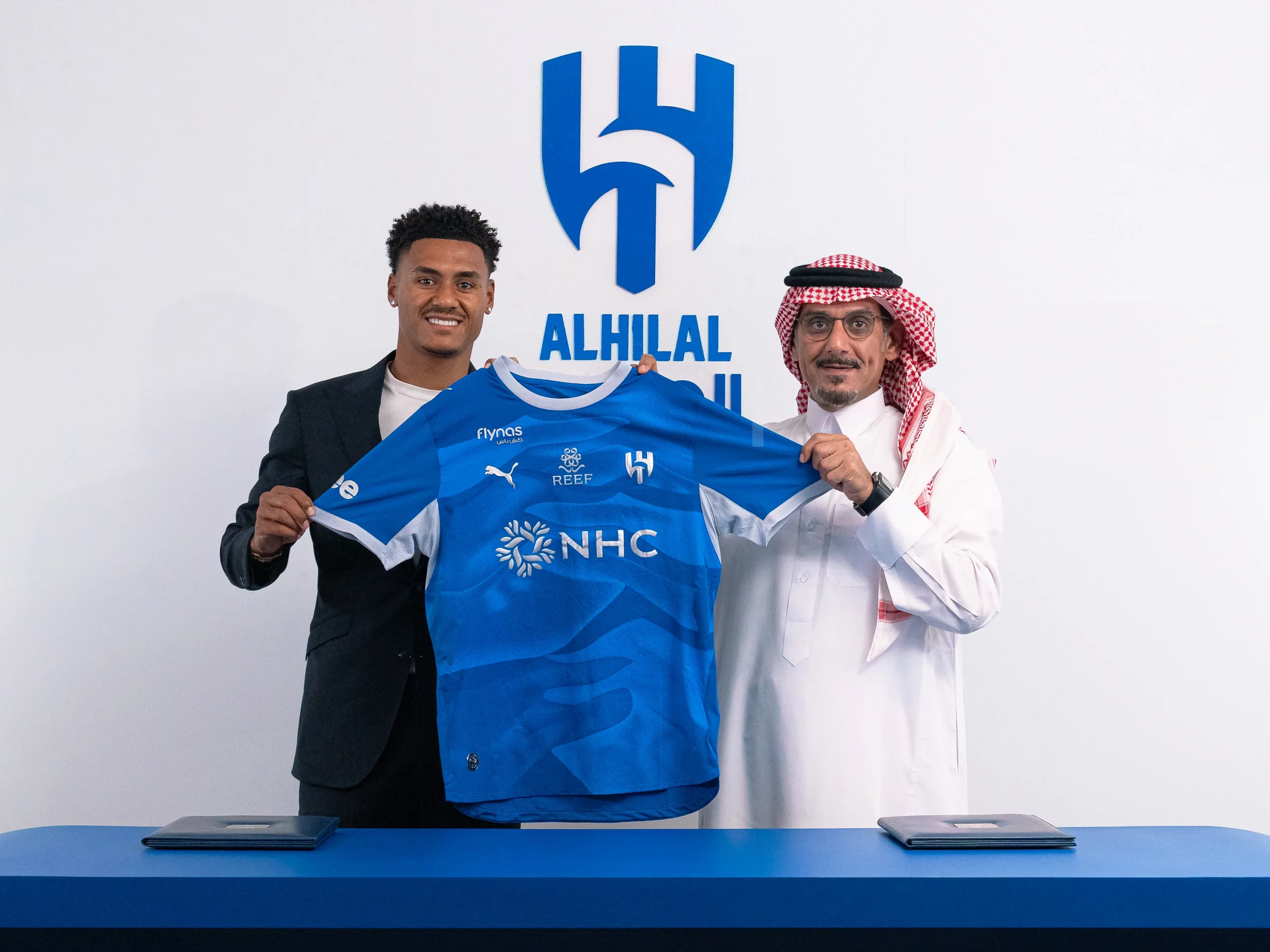
The footballing world was sent into a state of absolute shock late in the summer transfer window when talismanic striker Ollie Watkins closed the curtain on his illustrious six year career at Aston Villa to complete a blockbuster £50 million move to Saudi Pro League giants Al Hilal. For Villans supporters, the departure felt like the end of an era.
After all, Watkins was not just another forward; he was the heartbeat of Unai Emery’s revolution, the man who spearheaded their historic charge, and a modern day legend who etched his name into club folklore by becoming their record Premier League goalscorer and helping capture European silverware.
When the deal was finalized, emotional farewell statements flooded social media, with Watkins expressing his profound gratitude to the fans who chanted his name through every high and low at Villa Park.
Yet, despite the warm words and the mutual respect shared between the player and the club, the underlying reasons for why a player at the absolute peak of his powers would choose to leave the Premier League for the Middle East remained a subject of intense speculation.
Pundits debated, fans argued on forums, and many questioned whether the lure of a new chapter could truly outweigh a legacy built in England’s top flight.
Now, breaking his silence in an exclusive and brutally honest interview, the England international has pulled back the curtain on the driving force behind the most seismic transfer of his career.
Addressing the critics and the lingering questions head on, Watkins offered a perspective that cuts straight to the reality of modern professional sports, family security, and long term legacy:
“I don’t want to work after I retire from football. Yes, I was earning enough at Villa, but this move will secure the future of the next generations of my family. I don’t want to lie: with this contract, even my grandchildren will be rich, so why not?”
It is a statement refreshing in its raw transparency. In an industry where players often lean heavily on diplomatic clichés about “new challenges” and “sporting projects,” Watkins’ candid admission highlights the immense, generational weight professional footballers carry.
The physical demands of playing at the elite level are relentless, and the window to capitalize on peak earning potential is notoriously short.
By choosing to secure an extraordinary financial future in the Saudi Pro League, Watkins has opted to safeguard not just his own life after football, but the well being of his children and grandchildren for decades to come.
The aftermath of his exit has triggered a massive transition at Villa Park, with Unai Emery and the recruitment team forced to accelerate plans to fill the monumental void left in their attack.
Meanwhile, in Riyadh, Watkins has already begun making his presence felt on the pitch, seamlessly translating his trademark movement and lethal finishing into dazzling performances for Al Hilal.
As the dust settles on one of the most talked-about transfers of the year, history will ultimately judge Watkins’ legacy by the goals he scored and the memories he created in Claret and Blue.
Reflecting on his emotional departure from Villa Park, Watkins made it clear that his affection for Aston Villa and its supporters will remain untouched.
During the interview, he took time to express profound gratitude for the unforgettable journey they shared, noting how the club helped elevate his career to heights he once only dreamed of.
“My time at Villa was genuinely special, and I will always hold this club, the staff, and the amazing fans close to my heart,” Watkins shared, looking back on his years in Claret and Blue.
“We achieved incredible things together, and walking out at Villa Park is something I will miss dearly. But in football, you have to be mindful of cycles and timing.
I felt like I had given everything and reached a pinnacle, and this massive chapter came along at precisely the right moment in my career. It was the correct time to embrace a fresh challenge while leaving the club in a strong position.”
But as his candid words make clear, the choice to pack his bags and head east was driven by a deep, protective instinct for his family’s future a human element that transcends the white lines of the football pitch.