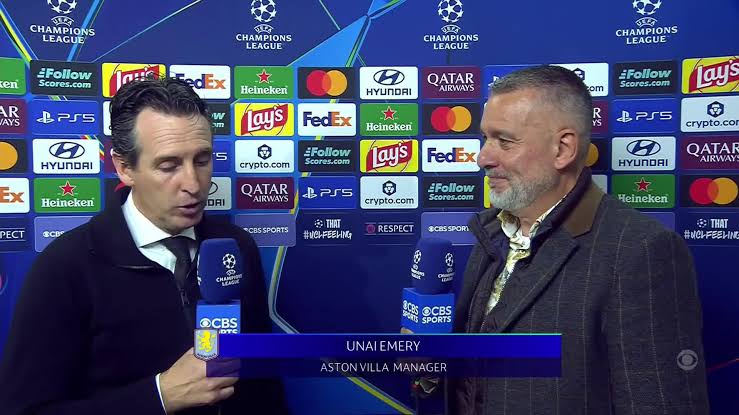
European football nights are designed to test the absolute limits of competitive pride, tactical discipline, and emotional endurance on the grandest stage.
When two ambitious clubs collide under the dazzling lights of the UEFA Champions League, the pressure to deliver a statement performance can push players and managers alike to their breaking point. For a tactically rigorous side, enduring a heavy three nil defeat away at a European powerhouse is a bitter pill to swallow, but the real fire often starts long after the final whistle has blown.
The friction between opposing camps can transform a routine post match media session into an explosive war of words that echoes across the entire continent.
The high stakes atmosphere inside the iconic Camp Nou crackled with intense energy as Barcelona and Aston Villa battled through a fiercely contested ninety minutes of elite football.
The Catalan giants ultimately capitalized on their tactical dominance to secure a comfortable victory, but the true drama of the evening had very little to do with the scoreboard itself. As players trudged toward the tunnel and media crews rushed to capture every reaction, the underlying tensions between the two squads began to boil over into a public spectacle that caught everyone in the press room completely off guard.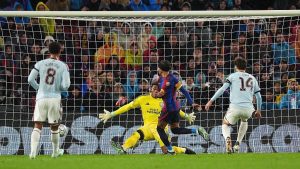
The absolute turning point of the entire post match narrative and the sensational controversy every football fan has been waiting for arrived precisely, when Barcelona captain Raphinha stepped up to the microphones and delivered a scathing assessment, claiming that the Aston Villa players completely ran out of ideas and looked entirely lost on the pitch during the second half.
That dismissive remark sparked instant outrage, prompting a visibly furious Unai Emery to launch a blistering counter attack in his own press conference.
Emery didn’t hold back, labeling Raphinha comments as entirely worthless and disrespectful, while fiercely defending his squad tactical intelligence and reminding the Barcelona skipper that true class involves respecting your opponents rather than kicking a proud team when they are down.
The staggering managerial retaliation instantly set social media platforms ablaze, triggering a massive viral uproar across European sports media outlets.
Pundits, former players, and rival fanbases flooded online forums to debate whether a team captain should ever publicly mock an opponent tactical struggles or if a manager has every right to unleash fury in defense of his players. When a respected mastermind like Emery publicly tears into an opposing captain comments, it transforms a standard post match review into one of the most talked about feuds of the entire Champions League campaign.
As the dust begins to settle on a truly turbulent night in Spain, the psychological impact of this fiery exchange will undoubtedly linger as both teams look ahead to their upcoming domestic and European fixtures.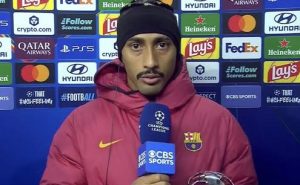
Dressing rooms thrive on external adversity, and a manager who fiercely protects his players from disrespectful remarks creates an unbreakable bond of unity within the squad.
The players walking back onto the training pitches will carry that shared sense of injustice and collective motivation into every single drill, knowing their boss refuses to let anyone diminish their efforts.
Ultimately, football remains a magnificent theatre powered by immense pride, raw competitive fire, and unyielding human emotion.
The fierce rivalries that develop between elite clubs are what make every single European match an unmissable spectacle for fans around the world.
Unai Emery decision to launch a furious attack on Raphinha worthless remarks has given supporters a rare, unfiltered glimpse into the ruthless defensive mindset required to protect a club honor.
Whether the two sides cross paths again later in the tournament or simply use the war of words as fuel for the remainder of their campaigns, one thing remains absolute: the battle lines have been drawn, and the drama shows absolutely no signs of slowing down.