Author: Abdul Haqq

  • Arsenal Boss Mikel Arteta Calls Sunderland Star “Underrated” and Admits: “I Hope He Doesn’t Play Against Us”

    Arsenal Boss Mikel Arteta Calls Sunderland Star “Underrated” and Admits: “I Hope He Doesn’t Play Against Us”

    The unforgiving, hyper competitive rhythm of the Premier League season demands absolute perfection from any side harboring genuine championship aspirations. Every single tactical decision, squad rotation, and pre match press conference carries immense weight as managers attempt to gain even the slightest psychological edge over their rivals.

    As Arsenal prepares for a daunting upcoming fixture that threatens to test the absolute limits of their squad depth, the media room has erupted into a frenzy of speculation and high stakes drama.

    Rather than offering the standard, guarded clichés expected ahead of a major league battle, Gunners boss Mikel Arteta completely discarded the tactical playbook during his latest media briefing, delivering a stunningly candid assessment that sent shockwaves rippling across the entire division.

    Arteta, a manager renowned for his meticulous preparation, tactical rigor, and unyielding perfectionism, is rarely caught off guard when analyzing opposition strengths. Speaking ahead of the crucial weekend test, the Spanish coach emphasized that modern football success is heavily dictated by how well a team can neutralize elite cogs who operate just outside the blinding glare of mainstream media attention.

    While casual observers and headline writers predictably fixate on marquee goalscorers or creative playmakers, elite tacticians spend countless hours in analysis suites identifying the defensive stalwarts and tactical anchors who dictate the rhythm of matches.

    In a division where margins are razor thin, underestimating a well drilled opponent can derail a title charge in an instant, forcing managers to treat every single tactical matchup with utmost gravity.

    The analytical microscope zoomed in sharply when Arteta turned his undivided attention toward Nordi Mukiele, identifying the powerhouse defender as the ultimate catalyst behind Sunderland’s impressive tactical stability.

    The Arsenal manager didn’t just offer standard, polite praise; he openly admitted that he was completely blown away by Mukiele’s defensive resilience, tactical versatility, and elite reading of the game, boldly labeling him as one of the most underrated operators in the entire country.

    Arteta highlighted how consistently outstanding Mukiele has been this season for Sunderland in his defensive responsibilities, noting that his stellar performances have anchored the backline and given the team a rock solid foundation.

    The Arsenal boss specifically stressed that with Mukiele playing at such a phenomenal level, his presence will help Sunderland tremendously throughout the campaign and could very well play a pivotal role in keeping them competitive and secure in the Premier League.

    The startling public admission hits right at the core of the psychological chess match that precedes elite level fixtures.

    Knowing that an opposing manager of Arteta’s stature is openly intimidated by a specific individual provides Sunderland with a massive mental boost before a single whistle has even been blown.

    For the North London club, the tactical puzzle now revolves entirely around figuring out how to bypass or neutralize a defender whose positional discipline and physical dominance leave virtually no room for error.

    In a moment of raw, unguarded honesty that instantly went viral across social media platforms and sports talk shows, the Arsenal manager confessed, “I genuinely hope he doesn’t play against us,” acknowledging the immense threat Mukiele poses to their attacking structure.
    As the countdown to kickoff continues and anticipation reaches fever pitch, the spotlight remains firmly fixed on the tactical battlegrounds.

    Sunderland travel with supreme confidence knowing their defensive lynchpin commands the utmost respect from elite dugouts across the country, while Arsenal must devise a creative masterclass to unlock a player their manager openly fears.

    In a sport where psychological warfare and tactical positioning dictate the victors, Arteta’s stunning pre match warning has ensured that all eyes will be locked on the team sheets to see if the most feared man on the pitch takes his place in the starting XI.
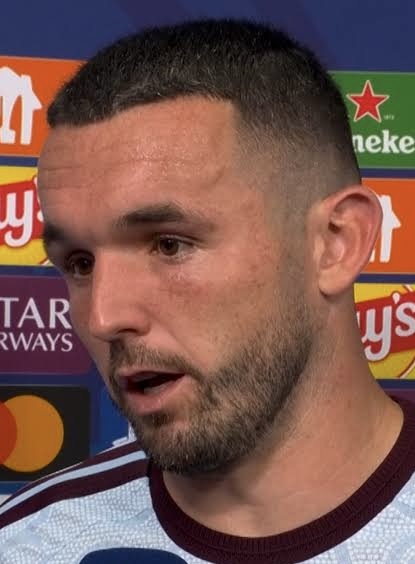

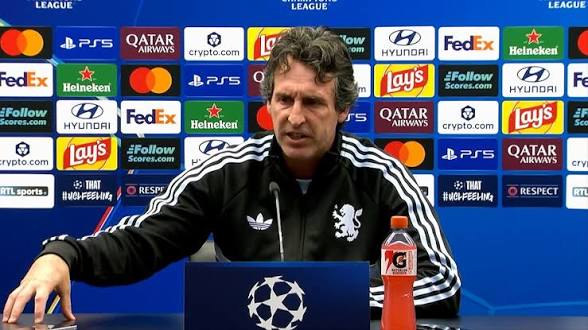
  • McGinn publicly disgrace football legend who branded Aston Villa a “Toxic Team” in Post match interview after 3-2 win over Club brugge at Jan Breydel stadium

    McGinn publicly disgrace football legend who branded Aston Villa a “Toxic Team” in Post match interview after 3-2 win over Club brugge at Jan Breydel stadium

    The magical allure of UEFA Champions League nights under the continental floodlights has a unique way of wiping away domestic misery, transforming a club’s entire narrative in the space of ninety pulsating minutes.

    As Aston Villa trudged off the immaculate pitch of the Jan Breydel Stadium following a thrilling, nerve shredding 3-2 victory over a resilient Club Brugge side, the raw emotions of a tumultuous campaign finally boiled over.

    Unai Emery’s men had spent the preceding weeks fighting off a barrage of external criticism after a sluggish start to the domestic term, but a blistering first half display in Belgium provided the ultimate sporting tonic.

    Yet, even as the traveling claret and blue faithful celebrated a massive three points to kickstart their European journey, the post match interviews delivered an unexpected explosion of fiery controversy that instantly eclipsed the tactical analysis of the match itself.

    The fixture itself was a breathless rollercoaster of momentum swings, tactical risks, and high stakes drama.

    Villa burst out of the blocks with an intensity that had been sorely missing from their domestic outings, silencing the partisan Belgian crowd with a clinical first half blitz. Captain John McGinn set the tone early, sweeping home a magnificent opener, before Emiliano Buendía restored the lead following a slick attacking sequence.

    New signing Nicolas Jackson then capped off a stellar first half performance by capitalizing on a defensive mix up to slot home Villa’s third.

    Although Club Brugge roared back after the interval through a converted penalty by Nicolò Tresoldi and forced Villa into desperate rearguard action, Emery’s side dug deep to secure a famous European away win, proving that their competitive heartbeat remains fully intact despite a summer of sweeping squad changes.

    However, the true fireworks detonated when club captain John McGinn stepped up for his post match media obligations and delivered a blistering, unfiltered tirade directed squarely at football legend Roy Keane.

    Keane had recently dominated sports headlines by launching a scathing assessment of the club, infamously branding Aston Villa a “toxic team” suffering from deep seated cultural rot following their summer departures.

    Rather than brushing the scathing remarks under the rug, McGinn visibly bristled under the studio lights, using his Man of the Match platform to publicly disgrace the pundit.

    The skipper tore into Keane’s analysis, calling it lazy, disrespectful, and entirely disconnected from the reality inside a dressing room that is fighting tooth and nail to forge a new identity. McGinn argued that hurling damaging labels from a television studio completely undermines the hard work being put in by players and staff, making it crystal clear that the squad has used the stinging criticism as ultimate fuel to silence their loudest doubters.

    The public takedown instantly sent shockwaves across social media platforms, dividing pundits and supporters over whether players should bite back at legendary figures or let results do the talking.

    Keane has built an entire media career on uncompromising, brutal honesty, but McGinn’s passionate defense exposed the raw sensitivities lingering behind the scenes at Villa Park.

    When a team undergoes massive structural upheaval, external figures are often quick to predict systemic collapse, yet the Villa captain’s fierce rebuke demonstrated an unwavering unity that defied the toxic narrative painted by the critics.

    As the dust settles on a classic European thriller in Bruges, the ramifications of McGinn’s explosive post match interview will undoubtedly echo across studio panels for weeks to come. Aston Villa needed a statement performance to steady their ship, and they delivered it in spades on the pitch.

    By coupling that resilience with an unapologetic willingness to confront their biggest critics head on, the club has signaled that they refuse to be defined by outside noise.

    Whether Keane chooses to fire back or respect the skipper’s fiery stance remains to be seen, but one thing is certain: the battle lines between modern players and traditional punditry have never been drawn more sharply.

  • Unai Emery Has a Big Decision to Make Before Club Brugge vs Aston Villa and Some Fans Won’t Like It

    Unai Emery Has a Big Decision to Make Before Club Brugge vs Aston Villa and Some Fans Won’t Like It

    European nights under the floodlights carry an unmistakable weight, transforming ordinary weeks into high stakes dramas where managerial decisions are magnified under the harshest national spotlight.

    As Aston Villa prepares to step onto foreign soil for a crucial UEFA Champions League fixture against Club Brugge, the atmosphere surrounding the squad is thick with anticipation and underlying tension. Following a sluggish opening stretch to the domestic campaign that has left supporters clamoring for an immediate spark, the Midlands club finds itself at a fascinating crossroads.

    Every tactical choice made in the quiet confines of the training ground is currently being dissected by an expectant fanbase desperate to see their side ignite on the continental stage.

    Unai Emery has built his illustrious reputation on uncompromising attention to detail, meticulous video analysis, and an absolute refusal to pander to external sentiment. When a team enters a major European block searching for fluidity and a definitive injection of momentum, the manager’s primary obligation is to find the exact tactical key that unlocks opposition defenses.

    The Basque tactician is renowned for orchestrating comprehensive overhauls when performances stall, routinely demanding more from his roster behind closed doors than supporters ever witness on matchday.

    Navigating the treacherous waters of the Champions League requires cold, calculated bravery, and Emery has never shied away from making ruthless choices for the greater good of the collective project.

    The defining talking point of the pre match tactical setup centers on a massive decision where Emery is prepared to drop a bombshell by starting Alejandro Garnacho ahead of their star starter Emiliano Buendía. Buendía has been a fixture in the side, starting all of Villa’s opening fixtures this season and serving as a central figure of creativity, yet Emery recognizes that the team’s recent lack of cutting edge demands a stylistic pivot.

    By opting to unleash Garnacho from the opening whistle, the manager is injecting blistering vertical pace, direct one on one isolation threat, and chaotic energy into the final third.

    While benching a trusted, technically gifted creator like Buendía will undoubtedly provoke fierce debate and frustration among sections of the fanbase who value his metronomic retention, Emery believes Garnacho’s raw dynamism is the ultimate weapon needed to crack Brugge’s defensive block wide open.

    This high stakes gamble highlights the delicate balancing act between rewarding consistent leadership and introducing explosive new blood to reverse a frustrating trend of low scoring outings.

    Garnacho’s arrival has added an unpredictable edge to Villa’s attacking repertoire, and unleashing him from minute one signals a clear shift toward a more ruthless, transition heavy approach. Emery understands that fans grow restless when results and clear cut chances dry up, making bold selections an occupational hazard of managing an ambitious elite club.

    If the explosive winger repays that immense faith with direct goal contributions, the bold gamble will be hailed as an absolute tactical masterclass; if it falters, the decision to sideline a trusted regular will immediately invite intense scrutiny.

    As the team bus heads toward the Jan Breydel Stadium and the final team sheet is locked in, all eyes will be glued to the tactical formation. European football has a unique way of validating or destroying bold managerial choices in real time, leaving no room for half measures or sentimentality.

    Unai Emery has addressed his tactical adjustments, emphasizing that the time is right to trust Alejandro Garnacho from the starting lineup to inject much needed vertical speed and direct threat into Aston Villa’s attack.

    For Unai Emery, sticking to his convictions means making the unpopular choices that others shrink away from, trusting that his tactical intuition will once again steer Aston Villa through the storm and ignite an unforgettable continental campaign.

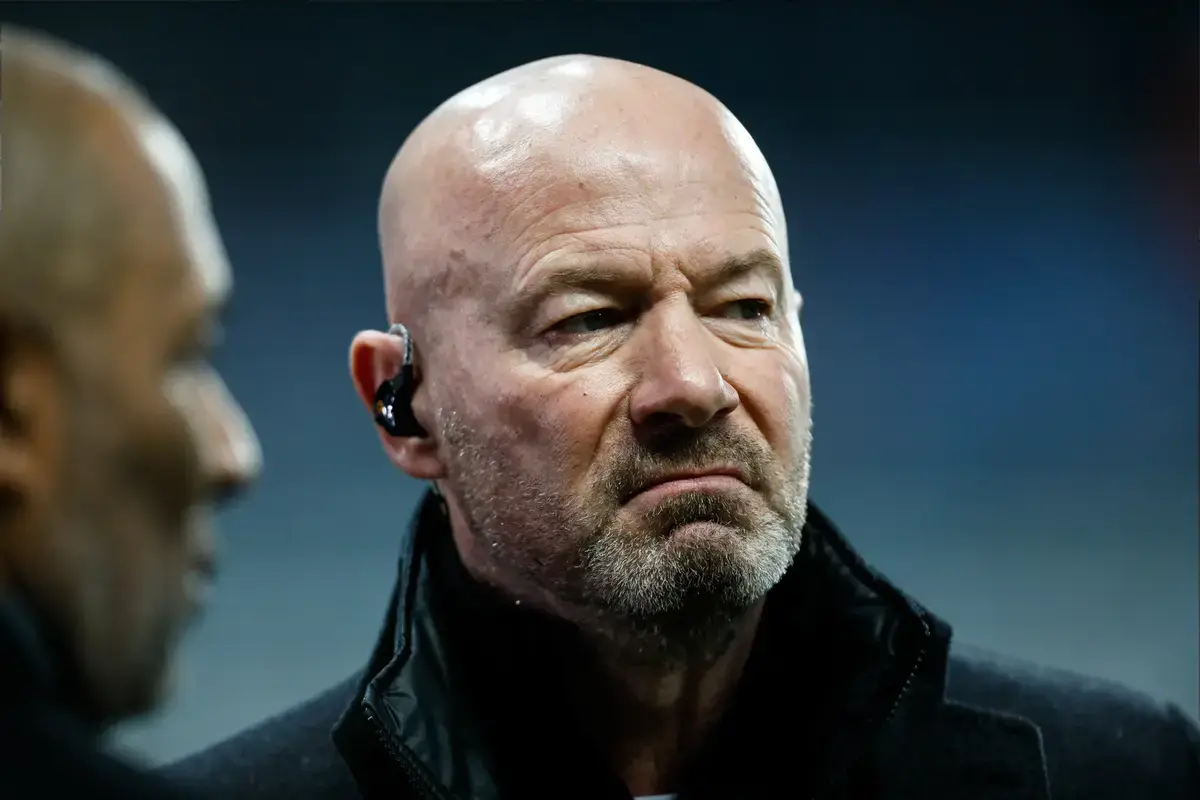
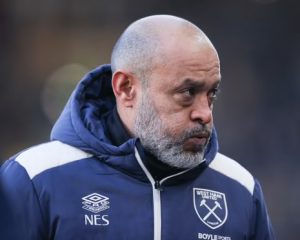
  • Alan Shearer Drops Brutal Truth on Nuno’s Tactics After Back to Back Wins

    Alan Shearer Drops Brutal Truth on Nuno’s Tactics After Back to Back Wins

    The relentless, unforgiving landscape of English football often breeds an intense ideological divide between winning at all costs and playing the game with aesthetic beauty. Every so often, a team strings together a remarkable sequence of results, only to find themselves at the center of a raging national debate regarding the manner in which those victories were achieved.

    Following a hard fought run of fixtures that yielded maximum points and sent pulses racing across the fanbase, football legend and premier pundit Alan Shearer stepped in front of the television cameras and delivered a searing, unfiltered assessment that immediately sent shockwaves through the footballing ecosystem.

    Rather than offering standard, polite praise for a side collecting points, the iconic striker chose to ignite a fierce controversy that instantly polarized supporters and pundits alike.

    Shearer, universally respected for his unrivaled understanding of top flight football and his uncompromising candor, made no attempt to disguise his skepticism regarding the long term viability of winning ugly.

    Speaking on marquee analysis programs, the Premier League’s all time record goalscorer emphasized that modern football fandom demands more than just a tally in the win column; it demands entertainment, ambition, and a recognizable style of play that engages the soul of the stadium.

    For clubs navigating the treacherous waters of the EFL Championship, building momentum is undeniably the primary currency, yet the debate over whether the end always justifies the means remains an eternal battleground.


    When a team manages to string together successive triumphs while abandoning expansive principles, the wider footballing community inevitably steps in to question how sustainable that trajectory truly is over a grueling forty six game campaign.

    The analytical microscope zoomed in sharply when Shearer turned his attention directly toward Nuno Espírito Santo and the tactical blueprint currently being deployed.

    The pundit pulled zero punches in dissecting Nuno’s deeply pragmatic tactics, pointing out that Nuno is a manager who prioritizes only getting results rather than playing an attractive or entertaining football. Shearer detailed how the tactical setup relies heavily on ultra conservative defensive blocks, deep lying structures, and minimal risk taking, arguing that this cautious methodology completely starves supporters of the expressive football they crave.

    While acknowledging that the points are rolling in for now, Shearer argued that relying entirely on absorbing relentless pressure and snatching narrow victories creates a razor thin margin for error that ultimately catches up to a side when form inevitably fluctuates. Warning that unless they reinvent their approach, this momentum will inevitably collapse and they might ultimately fail to secure promotion.

    The critique struck a massive nerve because it touches upon the fundamental friction between modern managerial survival and the romantic ideals of the sport.

    Nuno has long carved out a reputation as a master of defensive organization and situational efficiency traits that win matches in the short term when confidence is high. However, Shearer stressed that a style built purely on containment and pragmatic attrition leaves very little room for psychological recovery when a defensive error inevitably occurs.


    By publicly branding the approach as a dangerous game of survival, the former England captain highlighted the deep philosophical divide between coaches who view football as an exercise in risk mitigation and those who believe the game should be played on the front foot.

    As the debate continues to rage across social media platforms, talk radio, and Monday morning columns, the pressure shifts squarely back to the technical area.

    Supporters find themselves torn between celebrating vital league points and wondering whether a more expansive vision will ever emerge. While back to back victories provide immediate sanctuary and quiet external critics for a fleeting moment, Shearer’s brutal intervention serves as a constant, lingering reminder.

    In a division as merciless as the Championship, style and substance are perpetually at war, and until a team proves they can combine pragmatic grit with genuine attacking verve, legendary pundits like Shearer will continue to sound the alarm.

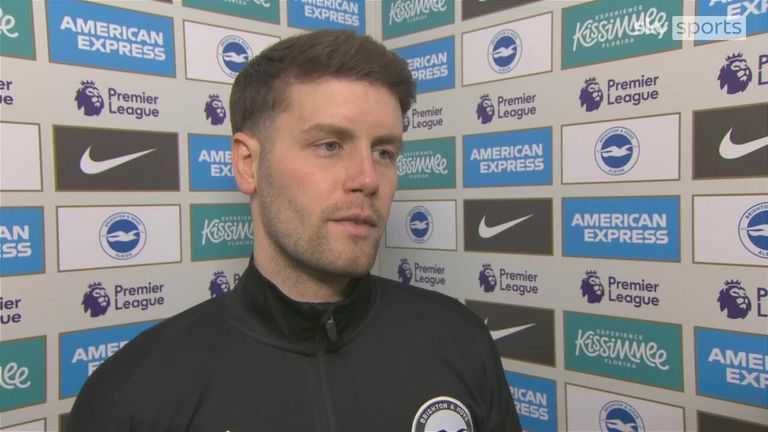
  • Give Him His Flowers: Brighton Manager Fabian Hurzeler Praises Underrated Leeds Star Who Was Outstanding Against Brighton

    Give Him His Flowers: Brighton Manager Fabian Hurzeler Praises Underrated Leeds Star Who Was Outstanding Against Brighton

    The intense, high stakes tactical landscape of the Premier League often reduces brilliant individual displays to fleeting post match statistics, but every so often, a performance happens that forces even opposing managers to completely throw away the playbook of rivalry and offer raw, unfiltered appreciation.


    Following a fiercely contested, high tempo battle on the south coast, Brighton & Hove Albion head coach Fabian Hurzeler stepped into the post match press room and delivered an extraordinary assessment that immediately stole the headlines. Rather than hiding behind standard managerial clichés or focusing solely on his own side’s shortcomings, the young German tactician chose to single out an opposition player, demanding that the wider footballing world finally acknowledge an elite talent who routinely flies under the radar.

    Hurzeler, widely recognized across the modern game for his analytical rigor, meticulous defensive structures, and obsession with transitional control, made no secret of the profound headaches his tactical team faced trying to bypass Leeds United’s defensive wall.

    Speaking to journalists with total candor, the Brighton boss emphasized that modern football analysis frequently over-indexes on flashy attacking names while completely ignoring the colossal, quiet mastery required to anchor a backline against relentless waves of pressure. For a Brighton side renowned for their fluid, possession heavy attacking patterns, finding a way past a disciplined, structurally sound defence is the ultimate weekly puzzle.


    Yet, Hurzeler conceded that breaking through became an almost impossible task due to the defensive masterclass put on by a singular, immovable force in the opposition half.
    In the third paragraph of any comprehensive tactical breakdown examining this fixture, the spotlight inevitably lands on Nico Elvedi.

    The rock solid defender, whose exceptional positional awareness, calmness under pressure, and elite ball playing abilities have transformed Leeds United’s defensive solidity, is precisely the man who left Hurzeler utterly spellbound.

    The Brighton coach specifically praised Elvedi’s flawless reading of the game, noting that his ability to snuff out dangerous attacks, win crucial aerial duels, and launch clean counter-attacks bore the exact hallmarks of the Premier League’s absolute top tier defensive stars.

    Comparing him directly to the division’s elite centre backs players who dictate the entire defensive line of traditional “Big Six” giants Hurzeler highlighted how Elvedi possesses the same composure, technical security, and leadership qualities that define world class defenders, making him criminally underrated by mainstream pundits.

    The praise carried immense weight because it came from a manager whose tactical philosophy relies entirely on exploiting tiny spatial margins in the final third.


    When a defender completely neutralizes those pockets with elite anticipation and physical dominance, it shifts the psychological balance of the entire ninety minutes. Hurzeler noted that his attacking unit tried multiple variations, positional rotations, and passing combinations to isolate gaps, yet Elvedi remained an impenetrable barrier, organizing his teammates with the authority of a seasoned veteran.

    The admission that an opposing player operated on the exact same level as the league’s most celebrated defensive icons speaks volumes about the respect the Swiss international commands within elite coaching circles.

    As the dust settles on another captivating weekend of Premier League action, the performance serves as a powerful reminder of how vital unheralded defensive masters are to their respective clubs. While goalscorers and flashy wingers invariably grab the back page headlines and fan adoration, managers like Hurzeler understand that true survival and success are built on the back of resilient, intelligent operators like Elvedi.


    By stepping up to the microphone and publicly demanding that the defender receive his due recognition, the Brighton boss ensured that a masterclass performance did not go unnoticed. For Leeds United, having a player capable of earning such glowing praise from an elite rival is the ultimate validation, proving that their defensive lynchpin is finally stepping into the spotlight he has long deserved.

  • Matthias Jaissle Blows Lid Off St. James’ Park After Controversial Ref Decision: “I Honestly Don’t How That Stands!”

    Matthias Jaissle Blows Lid Off St. James’ Park After Controversial Ref Decision: “I Honestly Don’t How That Stands!”

    The deafening roar of discontent echoing across Tyneside following the final whistle told the definitive story of a chaotic, heart stopping afternoon of Premier League football at St. James’ Park.

    In a match that swung wildly on the pendulum of momentum, high stakes drama, and tactical adjustments, it was not just the 2-2 scoreline that dominated the post match discourse, but a boiling point reached in the technical area.

    As managers across the division face immense scrutiny under the weight of expectations, Newcastle United’s head coach Matthias Jaissle completely shattered standard managerial diplomacy, stepping up to the microphone to deliver an explosive, unfiltered critique of officiating standards that instantly ignited sports talk programs nationwide.
    Jaissle, known across European football for his intense tactical frameworks, relentless pressing demands, and fierce competitive fire, made no attempt to conceal his raw fury when addressing journalists in the press room.

    Rather than offering the typical, guarded platitudes designed to protect officials or downplay controversy, the Magpies’ boss chose total transparency. He emphasized that the margins between winning and losing in the Premier League are far too slim to absorb glaring officiating oversights that directly alter the trajectory of high profile fixtures.


    For a club like Newcastle, striving every week to reward the unwavering devotion of a packed home stadium, seeing hard work undone by a disputed call proved too much to swallow quietly.

    The commentary immediately sent shockwaves across social media platforms, fan forums, and football talk shows, sparking fierce debates regarding the consistency of VAR intervention and on field refereeing discretion.

    While opposing managers often tread carefully to avoid disciplinary action from football associations, Jaissle opted for a stance of absolute defiance. He highlighted how crucial decisions dictate the psychological landscape of a match, noting that allowing controversial moments to pass without accountability creates an unbearable burden for coaching staff and players who put their bodies on the line for ninety minutes.

    By openly calling out the injustice of the situation, the Newcastle manager threw gasoline on an already burning fire, placing massive scrutiny on the officiating panel.
    The flashpoint that pushed Jaissle and the entire stadium to the brink occurred early in the contest, centering around a pivotal moment of defensive vulnerability.

    Newcastle players and fans were left heavily frustrated when the referee did not blow the whistle for a potential foul on Anthony Elanga during the build up phase. Marcus Tavernier immediately capitalized on the passage of play to fire Bournemouth ahead in the 8th minute, leaving home supporters and players up in arms over the official’s decision to let the challenge go unpunished.


    That missed call completely altered the tactical script, forcing the Magpies to chase the game from behind while the visitors packed their defensive lines.
    The psychological impact of that early setback rippled through the home side’s ranks, allowing Bournemouth to double their advantage shortly after when an Alex Scott cross deflected off Malick Thiaw for an unfortunate own goal.

    Down 2-0 at home against a resilient Cherries outfit, Newcastle faced a monumental mountain to climb. Yet, the fury born from the opening controversy seemed to fuel a ferocious second-half response from the hosts, who threw everything at their opponents in search of an escape route.

    Harvey Barnes halved the deficit with a brilliantly executed strike, before substitute Jacob Ramsey completed the comeback with a dramatic late equalizer in the 87th minute to salvage a hard fought draw.

    The dramatic 2-2 finish serves as both a testament to Newcastle’s resilience and a stark reminder of how fragile a match’s integrity can be when officiating decisions become the main talking point. While Jaissle’s side showed immense character to claw their way back from the brink, the lingering anger over the first half non call will not fade quietly.

    For the Magpies, securing a point keeps momentum ticking forward, but the broader conversation centers entirely on a manager who refused to bite his tongue. As the dust settles on St. James’ Park, Jaissle’s fierce defense of his squad has firmly established that any future injustices on Tyneside will be met with immediate, unfiltered resistance.

  • Newcastle Boss Matthias Jaissle Calls Leeds Star “Underrated” and Admits: “I Hope He Stays on the Bench Today”

    Newcastle Boss Matthias Jaissle Calls Leeds Star “Underrated” and Admits: “I Hope He Stays on the Bench Today”

    The modern Premier League tactical landscape is a ruthless domain where pre match mind games often dictate the psychological battlegrounds long before a single cleat hits the turf.

    As Newcastle United prepare to lock horns with a formidable, ambitious Leeds United side under the floodlights at Elland Road, the pre match media suite has turned into a theater of high stakes tension. Magpies manager Matthias Jaissle, still in the infancy of his tenure on Tyneside, has masterfully cranked up the pressure cooker.

    Speaking to reporters ahead of this heavyweight clash, the German tactician threw down an unexpected psychological gauntlet, singling out one specific opponent whose commanding presence has clearly kept the Newcastle coaching staff up all night analyzing footage.

    For Newcastle, fine tuning their defensive transitions and aggressive counter pressing approach requires absolute precision, especially when facing opponents capable of springing attacks from deep. Jaissle’s tactical blueprint relies heavily on verticality and pace, making the mitigation of opposition distribution a primary focal point of his game plan.

    While pundits and analysts spent the week debating mid block structures and pressing triggers, the former Red Bull Salzburg boss chose to shift the spotlight squarely onto the psychological dimension of elite football. In a league where marginal gains separate victory from disappointment, acknowledging an opponent’s hidden strengths in public is a rare, calculated risk designed to alter how the opposition sets up their tactical stall.

    When pressed by journalists about the key threats neutralizing Newcastle’s frontline, Matthias Jaissle didn’t hesitate to highlight Leeds’ marquee summer acquisition, dropping a massive compliment on goalkeeper James Trafford.

    The Newcastle manager openly labeled the young Englishman as vastly “underrated” by external media before delivering the ultimate sign of respect with a wry smile: “I honestly hope he stays on the bench today.”

    The candid admission from the opposition dugout instantly sent ripples through social media and local fan groups, underscoring just how much respect and quiet apprehension rival managers hold for Trafford’s shot stopping pedigree and distribution capabilities since his high profile club record move to Elland Road.

    The spotlight on Trafford is hardly unearned, given his meteoric rise and the commanding exhibitions he has put on since anchoring the Leeds rearguard. Opposition managers across the top flight are quickly realizing that breaching the Yorkshire side’s defensive wall requires solving a complex puzzle between the sticks.

    Jaissle’s tongue in cheek remarks highlight the thin line between admiration and outright competitive dread, proving that managers are acutely aware of individual game changers who can single handedly thwart a well crafted attacking strategy. For a player who has faced intense scrutiny and massive price tag expectations following his arrival, hearing an opposition manager publicly plot his exclusion is the ultimate badge of honor.

    The German tactician turned his attention toward Leeds United’s marquee recruitment strategy, specifically highlighting the brilliant business they conducted over the summer window.

    Jaissle openly remarked that Leeds were exceptionally fortunate to secure the signature of goalkeeper James Trafford, pointing out that his elite shot-stopping and distribution have completely transformed their defensive stability.

    Such high praise from an opposing boss underscores just how impactful Trafford has been since arriving at Elland Road.

    As kickoff approaches and the team sheets are eagerly anticipated by thousands inside Elland Road and millions watching around the globe, the psychological warfare is officially complete.

    Whether Trafford lines up between the posts to frustrate the visiting Magpies or watches from the dugout as Jaissle jokingly prayed for, the stage is set for an unforgettable Premier League battle. Tactical masterclasses are won on the training ground, but psychological advantages are claimed in the media room and Matthias Jaissle has ensured that every single eye will be glued to the team lineups when they drop.

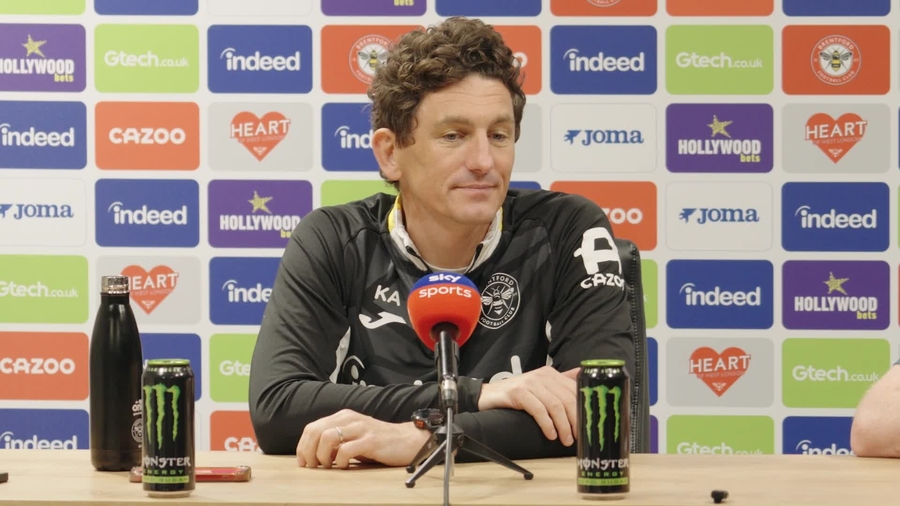
  • Brentford Boss Keith Andrews Calls Sunderland Star “Underrated” and Admits: “I Hope He Doesn’t Play Against Us”

    Brentford Boss Keith Andrews Calls Sunderland Star “Underrated” and Admits: “I Hope He Doesn’t Play Against Us”

    The atmosphere surrounding the upcoming weekend fixture in the English football calendar has taken a sharp, psychological turn following a remarkable midweek press conference from the opposition dugout. As managers across the division scramble to find tactical solutions to the shifting power dynamics of the season, Brentford head coach Keith Andrews has unexpectedly broken ranks. Rather than offering the standard, guarded platitudes ahead of a crucial match, the Bees’ boss delivered a strikingly candid assessment of a key rival within the Sunderland ranks, openly labeling him as one of the most overlooked operators in the entire division.
    Andrews, a manager widely respected for his meticulous tactical preparation and analytical approach to the game, made no attempt to conceal his admiration for the quality running through the opposition squad. Speaking to the media in the build up to Saturday’s eagerly anticipated showdown, the Brentford boss emphasized that external media coverage often fails to capture the true influence of certain players who operate away from the traditional headline positions. For a club like Brentford, whose success has been built on collective discipline and intelligent recruitment, spotting and neutralizing these unheralded threats is paramount. Yet, Andrews admitted that tactical mitigation is easier planned than executed when a player possesses such a unique blend of physical and technical attributes.
    The commentary immediately sent ripples across social media platforms and sports discussion forums, sparking intense debate among fans and pundits alike. While rival managers typically prefer to play down the strengths of upcoming opponents to protect their own dressing room’s confidence, Andrews chose a path of total transparency.
    He pointed out that the modern game is saturated with statistical metrics that frequently overlook positional intelligence, tactical flexibility, and the quiet dominance required to dictate the tempo of a high stakes fixture. By highlighting how severely underappreciated his counterpart has been, the Brentford manager inadvertently placed an even brighter spotlight on a player who thrives when operating at the peak of his powers.
    The tactical breakdown heading into this weekend’s clash, the conversation inevitably lands on Nordi Mukiele. The versatile defender, whose pedigree and elite level experience have added immense steel to Sunderland’s backline, is precisely the figure keeping opposing coaching staff awake at night. Andrews specifically touched upon how Mukiele’s imposing physical presence, combined with his exceptional ability to step out from the back and launch transitions, presents a tactical nightmare for any pressing structure. The Brentford boss made no secret of his apprehension, noting that Mukiele’s defensive resilience and capability to dominate individual duels on Saturday will pose a severe, multi layered problem for the Bees’ attacking sequences, effectively shutting down avenues that other teams have struggled to protect.

    The stark reality for Brentford is that containing a player of Mukiele’s caliber requires an almost flawless defensive transition. When a defender can seamlessly switch from locking down his own penalty box to driving the team forward with progressive carries, the entire tactical equilibrium of the opposing team shifts. Andrews acknowledged that his analytical team has spent the entire week dissecting ways to limit Mukiele’s influence, but the underlying concern remains palpable. The admission that a rival manager genuinely hopes a specific opponent misses out on the matchday squad speaks volumes about the fear factor currently surrounding Sunderland’s defensive lynchpin.
    As the countdown to Saturday continues, the psychological battle lines have officially been drawn. Brentford know they face a monumental task in breaching a Sunderland side anchored by such elite defensive stability. For Andrews, the hope is that his tactical blueprint can somehow nullify the threat of a player he regards as vastly underrated. But as the match approaches, the footballing world will be watching closely to see whether the Bees can solve the tactical riddle, or if Mukiele will prove precisely why opposing managers are losing sleep ahead of kick-off.

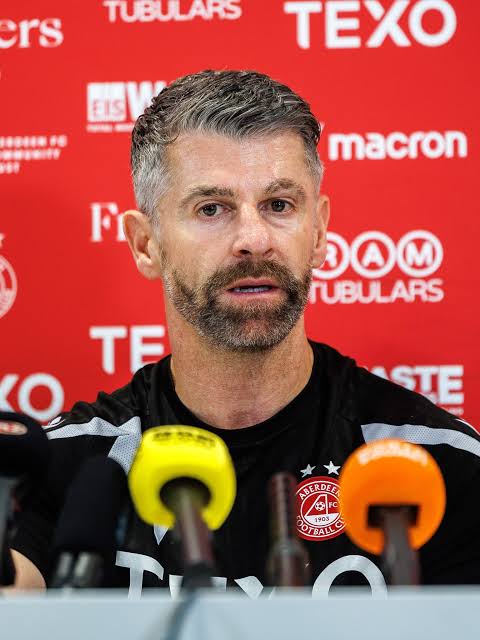
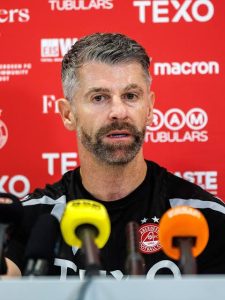
  • Stephen Robinson Left Speechless After Celtic Destroyer Tears Aberdeen Apart in 3-0 Demolition: “He reminds me of a celtic legend”

    Stephen Robinson Left Speechless After Celtic Destroyer Tears Aberdeen Apart in 3-0 Demolition: “He reminds me of a celtic legend”

    The electric, packed roar under the Celtic Park floodlights told the full story on a punishing, brutal midweek evening, as Stephen Robinson’s well drilled Aberdeen side was ruthlessly torn to shreds in a comprehensive 3-0 defeat. While the final scoreline alone sends shockwaves through the upper echelons of the Scottish Premiership, it was the sheer, mesmerizing individual brilliance of one standout Celtic maestro that completely ripped up the visitors’ tactical blueprint leaving the opposition manager utterly shell shocked and reaching for the history books in the post match press room.
    Robinson, a manager widely respected across British football for his uncompromising tactical discipline, defensive organization, and refusal to offer cheap excuses, didn’t bother hiding behind standard managerial clichés when faced with the wreckage of his game plan. Visibly stunned by the relentless, electric onslaught his defence had just endured under the Wednesday night lights, the Dons boss dropped a staggering post match quote that instantly set social media ablaze and dominated sports talk programs across the country.
    The match itself began with Aberdeen adopting a low, resilient block designed to frustrate the champions and cut off supply lines through the central corridors. For the opening stages, the strategy worked as the visitors kept their shape intact against early pressure from Camilo Durán and Benjamin Nygren. However, the contest shifted decisively on its axis the moment the hosts began shifting the ball into wide areas with blistering, dizzying speed, culminating in a first half blitz that effectively put the game out of reach before the interval.
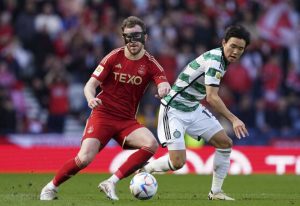
    It was during this devastating phase that the match found its definitive focal point, as Y. Hyun Jun put on a masterclass of modern wing play that left the entire Aberdeen backline chasing shadows. Operating with an extraordinary blend of low center of gravity, lightning fast acceleration, and fearless close control dribbling, the South Korean international turned the flank into his own personal playground, carving open the Dons’ defense at will and capping off his stellar first half display with a clinical goal right on the stroke of half time.
    Robinson, who watched his carefully constructed defensive structure unravel under the sheer velocity of the winger’s surges, confessed that he had rarely witnessed a domestic performance of such devastating individual impact. Addressing the media with raw candor, the Aberdeen manager drew a stunning parallel to the club’s most hallowed history: “I’ve been in football a long, long time, both as a player facing elite talents and now managing matches at the highest level, but what I saw out there tonight was something else entirely. He reminds me of Celtic legend Jimmy Johnstone. That ability to drop a shoulder, glide past two or three defenders in a telephone box, and leave you completely helpless it’s frightening. He was unplayable.”
    The comparison to “Jinky” Johnstone the legendary talisman of the iconic Lisbon Lions and widely regarded as Celtic’s greatest ever player carried massive emotional weight. While Johnstone was historically known as a diminutive, untouchable outside right whose genius broke European hearts, Hyun Jun’s performance on the night captured that exact same essence of playground freedom and terror inducing directness. Every time he picked up the ball, the volume inside Celtic Park surged, and panic visibly swept through the Aberdeen rearguard.
    Beyond just the eye test, the winger’s statistical output on the night underlined his complete dominance, earning a towering 9.1 match rating. He created countless scoring opportunities, repeatedly unlocked low blocks with inventive movement, and gave his marker a torrid time before being managed off in the second half. Aberdeen’s full backs tried every dark art in the book from tactical fouls to aggressive body checks yet Hyun Jun simply bounced off challenges or shifted the ball away with a burst of acceleration that left his markers grasping at thin air.
    The 3-0 demolition serves as an ominous warning to the rest of the Scottish Premiership. While Celtic have built their domestic dominance on collective tactical cohesion and relentless pressing, the emergence of a player capable of unlocking stubborn defences with pure, old fashioned individual brilliance changes their ceiling entirely. For Martin O’Neill, having a weapon who can turn a tight, frustrating stalemate into a comfortable rout through a moment of pure magic is the ultimate luxury.
    As the dust settles on a sobering midweek outing in Glasgow, Aberdeen must pick up the pieces and refocus their campaign on reclaiming consistency. But for Robinson and his battered squad, the flight back north will be accompanied by lingering memories of a winger who brought echoes of Paradise’s golden era back to life. If opposing managers are already drawing comparisons to Celtic royalty and raising their hands in absolute defeat, the rest of the league is facing a truly terrifying title race.

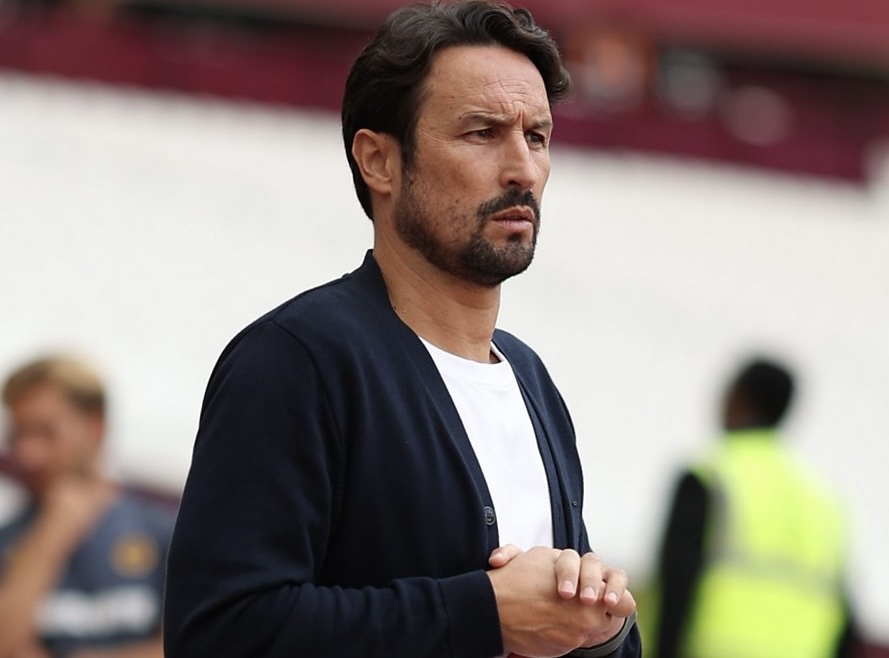
  • Cesar Peixoto Blown Away by West ham Star After Wolves 4-2 away Humiliation: “I’ve Never Seen Anyone So Strong”

    Cesar Peixoto Blown Away by West ham Star After Wolves 4-2 away Humiliation: “I’ve Never Seen Anyone So Strong”

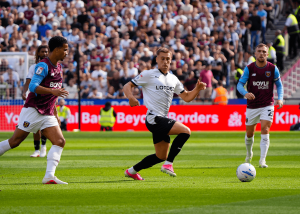
    The floodlights of the London Stadium illuminated what can only be described as a Championship classic on Tuesday night, as West Ham United hosted Wolverhampton Wanderers in an electric fixture that defied expectations and delivered six goals of pure tactical chaos. For Nuno Espírito Santo’s side, the night was a resounding testament to character, bouncing back from an early setback to orchestrate a stunning 4-2 victory. Yet, amidst the tactical adjustments, the defensive errors, and the frantic momentum shifts, it was a singular individual masterclass that completely captured the post match conversation.
    Wolves manager César Peixoto, visibly shell shocked during his post match media obligations, offered an assessment that transcended the standard managerial platitudes. Having watched his side dismantle West Ham’s early structure before crumbling under a wave of relentless home pressure, the Portuguese coach could do little more than marvel at the sheer physical and technical dominance of one specific Hammers star. Speaking candidly in the bowels of the stadium, Peixoto admitted he was left utterly astonished: “I’ve been in football a long time, both as a player under the greatest managers and now in the dugout, but I’ve genuinely never seen anyone so strong in individual duels and transitional power at this level. He completely tilted the pitch in their favour.”
    The fixture itself began in a manner that had the travelling Wolves contingent dreaming of an away masterclass. The visitors pressed high, exploiting gaps in West Ham’s midfield grid and forcing the hosts onto the back foot. However, true to the dramatic narrative of the early campaign, West Ham refused to capitulate. Striking first through a moment of opportunistic brilliance, the Hammers opened the scoring much to the delight of the home faithful, only for Wolves to launch a ferocious response that kept the contest knife edged.
    As the match swung violently back and forth, the physical demands placed upon every player on the pitch reached staggering heights. It was during this attritional phase that the match found its definitive turning point. West Ham’s tactical engine room began to overpower the Wolves press, spearheaded by a performance of such immense physical presence and technical clarity that it forced opposing tactical tweaks to fail in real time.
    Amidst this frantic turbulence, it was young midfielder D. Mukasa who truly captured the match and left the opposition bench completely spellbound. Speaking candidly after the final whistle, Peixoto could not hide his utter amazement at the youngster’s masterclass, delivering an extended and glowing assessment of the impact he suffered against: “I honestly have to tip my hat to young Mukasa because what he did out there on that pitch was nothing short of extraordinary for someone of his years. We tried every tactical tweak, every double team, and every defensive trap we had prepared in the week, but he simply glided past our midfield lines with a maturity and physical resilience that completely dismantled our entire structure. His movement off the ball is razor sharp, his weight of pass is immaculate, and every single time he drove forward with the ball at his feet, he created panic in our defensive third. He dictated the tempo of the entire game single handedly, won every second ball, and played with a fearless authority that you rarely ever see at this level. He was simply untouchable tonight, and he single handedly changed the entire complexion of this match.”
    It was the sheer unplayable nature of West Ham’s talismanic core during these critical junctures that drew Peixoto’s awe. Describing the battle on the flanks and through the central corridors, the Wolves boss elaborated on how his defensive line simply had no answer for the physical spectrum displayed by his opponent. In a league as notoriously brutal, relentless, and physically demanding as the EFL Championship, finding an athlete who can combine elite technical output with terrifying physical dominance is the ultimate holy grail. Peixoto’s frank admission highlighted what thousands of fans inside the London Stadium witnessed firsthand: a player operating entirely on a different wavelength.
    For Nuno, the 4-2 triumph represents far more than just three points on a Tuesday night. Following a turbulent opening stretch to the season that included heavy scrutiny and a desperate need for a statement performance, finding an internal structural solution that unlocks this kind of dominance changes the ceiling of the entire squad. The Portuguese manager has faced persistent questions regarding squad balance, defensive stability, and how to maximize his attacking assets under immense pressure. This performance provided a resounding answer.
    As the dust settles on a six goal thriller in east London, the reverberations of Peixoto’s comments will echo across the division. Opposing managers now know the daunting reality of facing a West Ham side that has rediscovered its bite. If the Hammers can harness the physical intensity and clinical edge displayed under the Tuesday night lights, the rest of the Championship has been officially put on notice. The captain has spoken, the manager has found his solution, and a statement victory has announced that West Ham’s promotion charge is well and truly alive.