Author: Abdul Haqq

  • ‘It’s Happening Again’: Lincoln Boss Cohen C. Explodes With Cheating Accusations After West Ham’s 6-0 Massacre

    ‘It’s Happening Again’: Lincoln Boss Cohen C. Explodes With Cheating Accusations After West Ham’s 6-0 Massacre

    The EFL Championship is universally renowned across the globe as one of the most unpredictable, physically demanding, and relentlessly punishing leagues in professional football. Every single weekend brings its own unique brand of high octane drama, where promotion hopefuls and dogged underdogs collide in fiery contests that frequently push tempers to their absolute breaking point.

    Yet, even within a division accustomed to weekly chaos, certain matches transcend ordinary sporting competition to become instant historical talking points. When a powerhouse side hunting for an immediate return to the top flight meets a visiting team with everything to prove, the margins for error shrink to vanishing points.

    Under the glittering floodlights of the London Stadium, what promised to be a fascinating tactical battle instead erupted into a catastrophic meltdown of epic proportions, culminating in a jaw dropping six goal rout that left the entire footballing pyramid talking about little else.

    From the opening whistle, West Ham United deployed a suffocating, high tempo brand of football that completely overwhelmed their opponents, pinning them deep inside their own half and forcing wave after wave of desperate defensive scrambles.
    The relentless pressure exerted by the home side created an environment of sheer panic among the visiting ranks, who struggled to cope with the fluid movement and technical superiority of the Claret and Blue attack. Every duel was contested with maximum intensity, and as the psychological strain mounted under the weight of the mounting scoreline, the game began to fracture.

    Frustration quickly boiled over into recklessness, setting the stage for a dramatic first half collapse that completely altered the structural integrity of the match and left the visitors facing an insurmountable mountain to climb.

    The true flashpoint of the evening arrived amidst a chaotic first half sequence when the visiting side suffered a catastrophic disciplinary implosion, receiving two red cards in quick succession that reduced them to nine men before the interval.

    The decisions sparked fierce fury on the touchline, and in the immediate aftermath of the brutal 6-0 defeat, Lincoln boss Chris Cohen completely lost his composure during his post match media obligations.

    Lashing out with an extraordinary tirade that loop immediately sent shockwaves through the press room, a visibly enraged Cohen vented his utter disbelief at the match officials and the broader system. Directing his fierce frustration straight at the victors, the Lincoln manager exploded:

    “West Ham cheated in the Premier League and now they are cheating in the Championship!” Also stating that West Ham will do anything just to promote.

    He went on to argue that his side had been completely sabotaged by decisions that defied logic, claiming that the competitive balance of the fixture was irretrievably ruined long before the players walked off for halftime.
    This blistering accusation from the opposition dugout instantly ignited a firestorm across social media platforms, drawing fierce reactions from pundits, neutral observers, and West Ham supporters alike.

    For a manager to come out with such unfiltered, explosive language highlighting historical grievances and modern refereeing decisions is a rare occurrence, injecting an extra layer of hostility into an already electric atmosphere.

    Detractors and rival fans seized upon the comments to fuel endless debates online, while Hammers supporters vigorously defended their club’s dominant display, pointing out that clinical finishing and tactical supremacy rather than any external factors were the sole reasons behind the 6-0 scoreline. It is the kind of high drama narrative fuel that defines modern football culture, ensuring that the fallout from this fixture will dominate sports talk shows and forums for weeks to come.

    Beyond the fiery controversy of the post match press conference, the sporting reality remains that West Ham put on a ruthless exhibition of goalscoring efficiency that dismantled their opponents in every single department.

    Scoring six goals while maintaining a completely impenetrable defensive block requires a rare synchronization of tactical discipline and individual brilliance, proving that the squad is fully hitting its stride as the autumn fixtures intensify.

    While the visiting camp will undoubtedly spend days licking their wounds and reviewing the contentious first half flashpoints that saw two of their players sent packing, the history books will permanently record a resounding six goal demolition.

    The psychological impact of such a comprehensive victory reverberates far beyond the standard three points, sending an unmistakable warning to every other contender in the division about the sheer ceiling of this West Ham side.

    As the dust settles on one of the most volatile and talked about fixtures of the Championship season, the footballing world is left picking through the wreckage of a truly unforgettable night. Controversial quotes, red card dramas, and historical grievances will always form the lifeblood of lower league and second tier folklore, adding layers of intense rivalry to every subsequent matchday.

    Whether Cohen’s explosive claims will prompt formal scrutiny from the football authorities remains to be seen, but one thing is certain: the stakes in the promotion race have just been raised significantly.

    West Ham march on with momentum and maximum points, leaving a trail of stunned opponents and fiery headlines in their wake as the relentless march toward the Premier League continues.
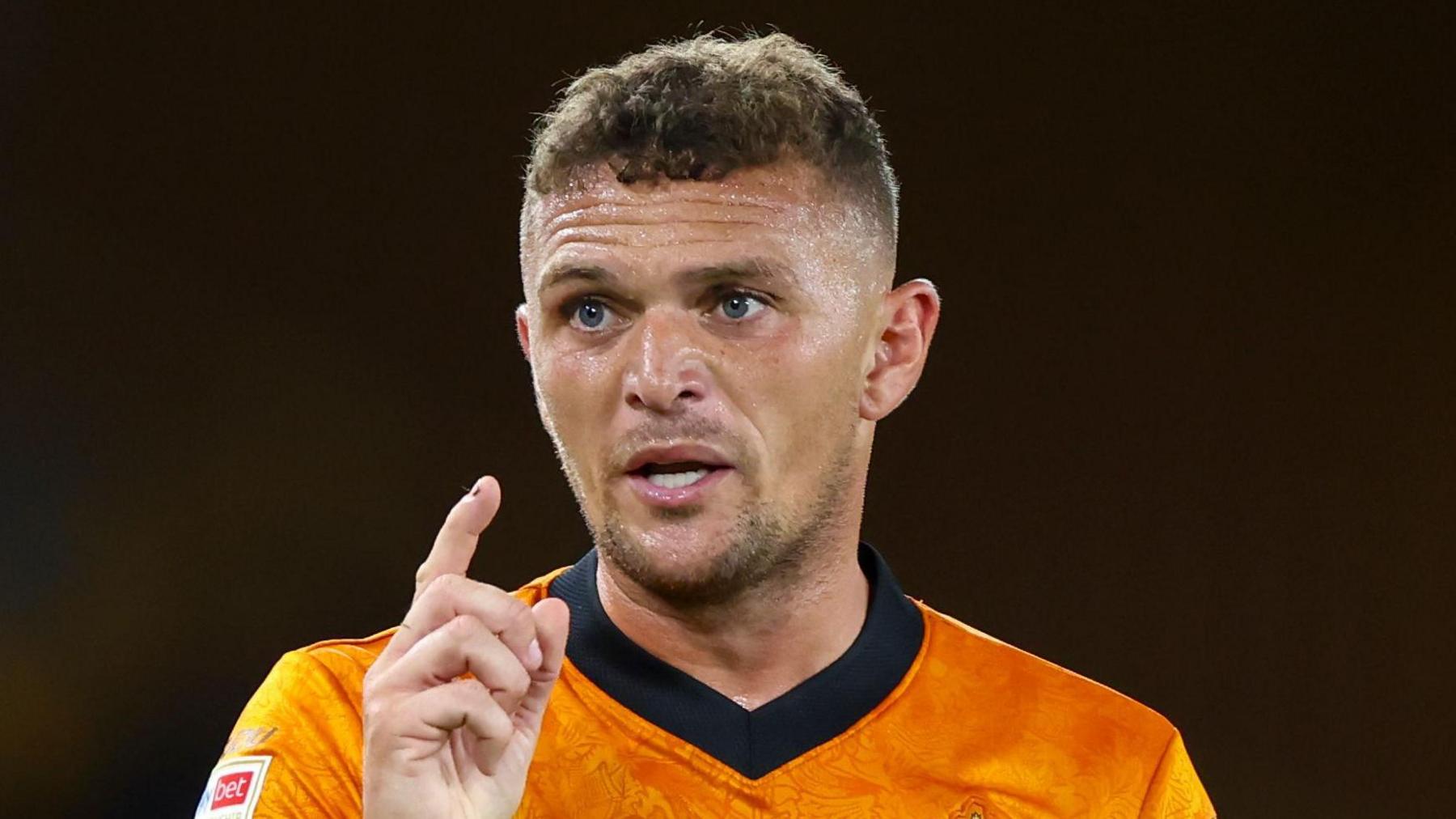

  • Kieran Trippier’s Explosive Rant: What the Wolves Star Said After Brutal Back to Back Defeats

    Kieran Trippier’s Explosive Rant: What the Wolves Star Said After Brutal Back to Back Defeats

    The relentless, unforgiving landscape of the EFL Championship offers no sanctuary for teams struggling to find their structural identity. For Wolverhampton Wanderers, a club accustomed to the grander stages of top flight football, the transition back into the English second tier was always destined to be fraught with tension, tactical hurdles, and immense psychological pressure.

    Yet, nothing could have prepared the Molineux faithful for the sheer deflation of their latest outing under the lights. Welcoming Bolton Wanderers to a buzzing West Midlands stadium, Wolves were expected to stamp their authority on the contest and bounce back immediately.

    Instead, what unfolded was a tactical masterclass in away game efficiency from Bolton, who ruthlessly dismantled the hosts to secure a stunning 3-1 victory and plunge the home side into a deep crisis of form.
    From the opening moments, the match possessed an edgy, nervous energy that signaled Wolves were far from comfortable.

    Despite enjoying healthy spells of possession, the hosts lacked the incisive cutting edge required to break down a well drilled Bolton defensive block. The visitors drew first blood when Atsuki Ito capitalized on a lapse in defensive concentration in the 28th minute, stunning the home crowd into silence.

    Although Jean Ricner Bellegarde ignited hope for the Old Gold shortly after the restart with a neat finish in the 50th minute, Wolves’ defensive frailties were once again ruthlessly exposed.

    Second half strikes from Sam Dalby and Josh Sheehan punished every error in judgment, wrapping up a comprehensive 3-1 rout that left supporters shaking their heads in disbelief.

    The raw frustration of the defeat boiled over immediately after the final whistle, with veteran defender Kieran Trippier stepping forward to deliver a blistering, unfiltered assessment of the club’s current predicament.

    Visibly furious and unwilling to hide behind diplomatic clichés, Trippier unleashed an explosive rant that sent shockwaves through the Molineux corridors, taking direct aim at the club’s overarching recruitment and long term readiness.

    “This is not a fighting Premier League promotion quality squad,” Trippier declared in a scathing address. “I think the players can do more, but it’s also important to build a strong squad to be ready for Premier League promotion.

    The players can do more, but it’s also important to build a strong squad to be ready for these moments. I expect more from our technical director, I’ve to be honest.”

    Trippier’s brutal honesty laid bare the underlying friction between the squad’s aspirations and the harsh realities of their roster construction. Having endured back to back defeats that exposed a severe lack of depth, the experienced full-back made it abundantly clear that papering over the cracks with short term fixes is no longer a viable strategy.

    His pointed remarks concerning the technical director’s office reflect a growing sentiment within the dressing room that the playing staff has been left undermanned and underequipped to handle the physical and mental grind of a grueling 46 game promotion race.

    When a leader of Trippier’s stature publicly questions the structural planning of the club, it serves as an unmistakable warning sign to the hierarchy that urgent corrective action is required.

    The consequences of this latest setback stretch far beyond a single disappointing evening, compounding an alarming run of results that has seen Wolves stumble defensively. Conceding soft goals and failing to match the physical intensity of opponents who want it more has turned Molineux into an environment of mounting anxiety.

    Supporters who came into the campaign hoping for a triumphant march back to the Premier League are now confronting the sobering reality that a massive cultural and structural overhaul is needed if the club hopes to salvage anything from the season.

    The tactical imbalance, coupled with a squad that looks increasingly threadbare when injuries and fatigue set in, means the pressure on the coaching staff and management has reached a boiling point.

    As the dust settles on another miserable night in the Midlands, the spotlight now turns squarely toward the training ground and the boardroom offices. Trippier’s explosive intervention has blown the doors off polite internal discussions, forcing everyone associated with Wolverhampton Wanderers to face uncomfortable truths.

    Whether this public airing of grievances acts as the ultimate wake up call to spark a turnaround or accelerates an internal crisis remains to be seen.

    One thing is certain: if Wolves cannot heed Trippier’s warning, tighten up their defensive deficiencies, and demand more accountability across every single department, their dreams of a swift return to the promised land will slip completely out of reach.

  • EFL Issues Full Statement on Ricardo R. After Controversial West Ham vs QPR Refereeing Nightmare Plus Massive Changes Ahead of Lincoln Clash

    EFL Issues Full Statement on Ricardo R. After Controversial West Ham vs QPR Refereeing Nightmare Plus Massive Changes Ahead of Lincoln Clash

    The turbulent and high octane waters of the EFL Championship rarely afford teams a moment of peaceful respite, but few weeks have ignited quite as much fury, debate, and institutional scrutiny as the current one.

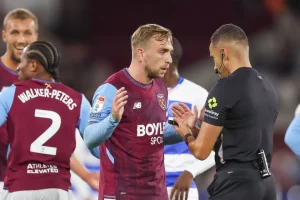
    West Ham United’s recent encounters have routinely delivered high drama, yet the boiling point reached during their tense 1-1 draw against Queens Park Rangers has sent shockwaves right through the core of English football administration.

    What was supposed to be a standard, fiercely contested fixture quickly degenerated into a swirling vortex of refereeing controversy, leaving supporters, pundits, and club officials up in arms over decisions that threatened to alter the shape of the promotion race.

    As the dust begins to settle on that stormy night, the psychological scars and sporting consequences of the officiating performance continue to dictate the narrative across the division.

    At the heart of the storm was a the on field officiating decision that completely altered the momentum of the game, leaving West Ham players visibly exasperated on the pitch and fuming in the tunnel afterward. Midfield talisman Tomáš Souček, who has been a pillar of consistency for the Hammers, openly voiced his displeasure at the arrogance and handling of the situation by match official Ruebyn Ricardo.

    The flashpoint has sparked wider conversations regarding accountability, the consistency of officiating standards across the English second tier, and the immense pressure placed on clubs whose promotion ambitions are heavily dictated by fine margins.

    For days, the footballing fraternity has demanded transparency from the governing bodies, wanting to know how such glaring errors could be allowed to influence the destiny of matches watched by millions.

    Breaking its silence on the mounting pressure, the English Football League released a comprehensive, high profile statement addressing the controversy head on. The official EFL statement read:

    “The EFL has completed its thorough review of the officiating incidents and communications from the recent fixture between West Ham United and Queens Park Rangers.

    We acknowledge that the standards of officiating are under intense scrutiny and recognize that a critical error was made by the referee, concerning some of his on field officiating. Match official Ruebyn Ricardo has cooperated fully with our internal match review panel and has candidly accepted that his on field assessment was incorrect.

    While match officials operate under immense pressure in real time, the EFL remains fully committed to driving consistency, improving communication between the pitch and the technical areas, and ensuring accountability at every level of our competitions.

    We understand the frustrations of the clubs and supporters involved, and we will continue working alongside referee development bodies to refine decision making processes moving forward.”

    The release of this explosive statement has done little to immediately soothe the anger in East London, but it has certainly forced the governing body’s disciplinary and refereeing departments onto the defensive. For West Ham, however, dwelling on past grievances is a luxury they simply cannot afford with another treacherous fixture looming large on the horizon.

    The quick turnaround means the coaching staff must immediately pivot their focus toward a tricky away trip to Sincil Bank to face Lincoln City, a challenge that requires total mental clarity and a ruthless physical edge.

    In response to both the controversial setback against QPR and the physical toll of a relentless Championship schedule, the Hammers’ hierarchy and technical staff are preparing to implement massive structural and tactical changes ahead of the Lincoln clash.

    First and foremost, major alterations are expected in the starting lineup to inject fresh legs and unyielding defensive steel into a side that has looked vulnerable to quick transitions.

    Tactical analysts indicate that the coaching staff will shift toward a more conservative, compact midfield block to neutralize Lincoln’s high pressing triggers, minimizing the risk of individual refereeing errors dictating outcomes in high danger defensive zones.

    Furthermore, internal directives have been issued to the playing squad demanding greater emotional discipline on the pitch, ensuring that players avoid falling into traps or engaging in costly verbal altercations with officials under the lights.

    As West Ham busying themselves with preparations for the trip to Lincolnshire, the shadow of the QPR controversy still hangs heavily over the club’s campaign.

    Whether these drastic changes on and off the pitch can successfully galvanize the squad and steer them back onto a winning trajectory remains to be seen.

    One thing is certain: with the EFL now officially acknowledging the friction of recent weeks, every single whistle blown at Sincil Bank will be scrutinized under an unforgiving microscope.

  • Total Chaos: Gary Neville drops explosive comments on the Referees as Outraged Villa Fans and Players Fume Over Massive Villa Park Controversy!

    Total Chaos: Gary Neville drops explosive comments on the Referees as Outraged Villa Fans and Players Fume Over Massive Villa Park Controversy!

    The Premier League is an arena where physical intensity, tactical chess matches, and high stakes emotions routinely collide, occasionally boiling over into pure, unfiltered chaos.

    When Aston Villa welcomed Brentford to Villa Park for a pulsating Midlands showdown, the atmosphere was primed for a classic footballing theater. Unai Emery’s side entered the fixture hunting for a statement home performance to keep pace with the elite, but what unfolded on the pitch transcended a standard four goal thriller.

    Beneath the blistering pace and tactical adjustments lay a volatile undercurrent of fierce physical duels, flying studs, and controversial refereeing leniency that transformed the afternoon into an absolute powder keg.

    The match established its frenetic, high tension tone right from the opening whistle. Brentford seized the early initiative when Yehor Yarmolyuk capitalized on a defensive lapse in the 10th minute to drill home the opener, sending shockwaves through the home stands.

    Yet, Villa demonstrated immense character to claw their way back, dominating large stretches of possession and eventually flipping the scoreline on its head through a brilliant tactical turnaround orchestrated by John McGinn and their attacking lines.

    However, as the intensity mounted and the physical threshold pushed past traditional boundaries, the match descended into a series of bone crunching collisions and disputed 50-50 duels that left players and supporters screaming for intervention.

    The absolute boiling point arrived midway through the second half during a ferocious, high intensity challenge that sent a jolt of fury across the entire stadium and dominated the post match discourse.

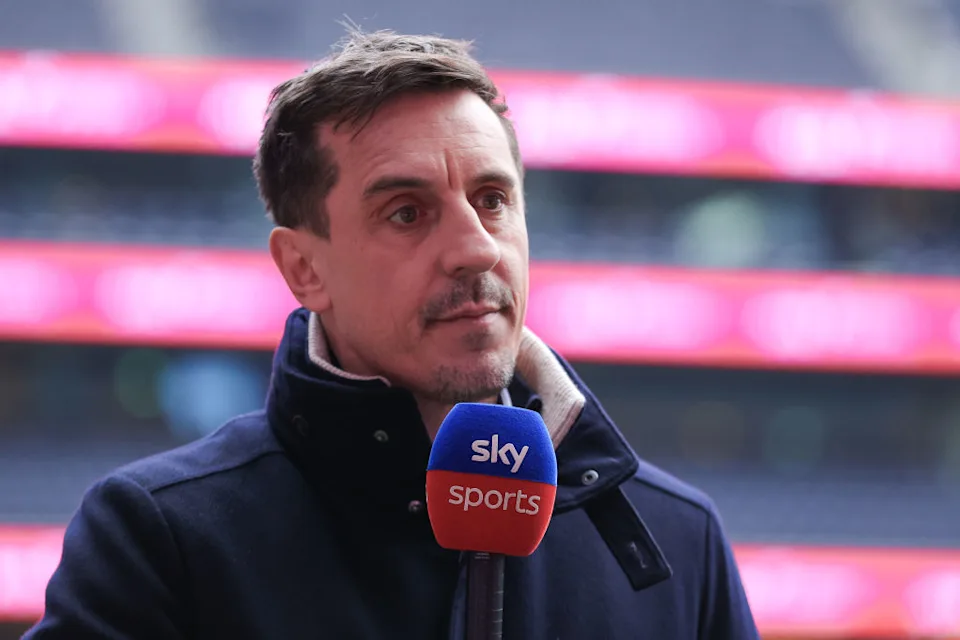
    As players from both sides clashed in a series of heated altercations, legendary pundit Gary Neville launched a blistering, unfiltered attack on the match officials during his live television broadcast, capturing the exact rage felt by everyone inside the ground. “It is an absolute shambles of game management,” Neville ranted live on air, his voice dripping with disbelief.

    “We talk every single week about protecting the safety of players on the pitch, yet here we are watching challenges that cross every line go completely unpunished.

    The referee has completely lost control of this environment. When you allow reckless, high speed tackles to go unchecked early on, you invite total chaos.

    The Villa players and fans have every right to be furious because that challenge endangered a professional career, and it beggars belief how the officials managed to wave it away!”
    Neville’s scathing assessment struck an instant, electric chord across the footballing world, supercharging an already volatile atmosphere among the home supporters. Inside Villa Park, the outrage was palpable.

    Thousands of incensed Aston Villa fans stood up in unison, directing white hot fury toward the referee’s dugout and chanting slogans against perceived officiating incompetence.

    The sentiment spilled straight off the terraces and onto social media platforms, where Villa supporters flooded digital spaces to condemn what they viewed as a recurring bias and a total breakdown of match control.

    Players on the pitch could be seen visibly gesturing in disbelief, pleading with the referee to explain how such a dangerous, bone crunching tackle failed to result in a straight red card.

    The weight of the controversy hung heavily over the remainder of the encounter, completely overshadowing the tactical nuances of the game.

    Despite Villa’s valiant efforts to protect their lead and secure all three points under Unai Emery’s guidance, the lingering frustration of the unpunished challenge created a nervous edge.

    That tension ultimately boiled over in the 79th minute when Brentford’s Kristoffer Ajer surged forward to slot home a dramatic equalizer, sealing a chaotic 2-2 draw and robbing the hosts of a victory they felt had been systematically compromised.

    As the final whistle blew on a bruised and battered Villa Park, the fallout from this officiating disaster instantly became the biggest talking point in English football.

    For Unai Emery and his squad, settling for a draw feels like a cruel injustice after surviving a bruising physical war. For the PGMOL and match officials, Gary Neville’s explosive critique serves as an uncomfortable reminder that player safety and consistency cannot be compromised.

    The echoes of this chaotic afternoon will undoubtedly reverberate for weeks to come, leaving fans and pundits alike questioning how much more controversial officiating the Premier League can endure.

  • Scotland Manager Launches Furious Attack on Andrew Robertson after  Worthless Comments from Scotland captain  Interview following 1-2 lost  to  Slovenia

    Scotland Manager Launches Furious Attack on Andrew Robertson after Worthless Comments from Scotland captain Interview following 1-2 lost to Slovenia

    The floodlights at Hampden Park beamed down on what was supposed to be a night of national celebration, only to witness a catastrophic unraveling that left the Tartan Army stunned and furious. Scotland’s latest UEFA Nations League outing against Slovenia turned into an absolute nightmare.

    Having shown encouraging signs during their previous victory over North Macedonia, Sébastien Pocognoli’s side entered this fixture looking to cement their momentum and secure a vital home win.

    For the first 45 minutes, the tactical plan worked to perfection: Ryan Christie capitalized on chaotic penalty box pressure to expertly backheel the opener past Jan Oblak in the 31st minute, sending the Glasgow crowd into raptures.

    But international football is a ruthless, unforgiving theater where a single lapse in concentration can burn down a half match’s worth of disciplined work.

    As the second half unfolded, the complexion of the match shifted dramatically. Slovenia seized control of the midfield, exploiting gaps in Scotland’s defensive transition.

    In the 56th minute, a glaring defensive error following a cheap throw in giveaway allowed Aljoša Matko to race through and slot a low, clinical equalizer past Angus Gunn. The momentum completely evaporated from the Scottish ranks, and just minutes later, the collapse was complete.

    Matko and Danijel Šturm sliced through the backline once again in the 71st minute, with Šturm turning provider turned finisher to seal a stunning 2-1 comeback victory for the visitors. Jeers cascaded from the stands as the final whistle blew, condemning Pocognoli’s men to their third defeat in their last four home games at Hampden Park.

    However, the real drama did not stay contained to the grass; it spilled viciously into the post match media obligations, sparking an explosive civil war within the national camp.

    Milestone man Andrew Robertson who was recently honored for reaching his century of appearances for his country faced the press with brutal, unvarnished candor, labeling the team’s collective display as entirely “not good enough” and bluntly admitting that Scotland had been completely “outfought” across every single department.

    Robertson did not hold back, signaling that individual standards had slipped drastically and asserting that too many players on the pitch failed to match the physical and mental intensity required to represent the flag on the international stage.

    Those cutting assessment remarks struck a raw nerve behind closed doors, prompting an immediate, furious counter attack from the management team.

    Visibly incensed by his captain airing the squad’s dirty laundry in such a public manner, manager Sébastien Pocognoli launched a scathing verbal assault on Robertson during the internal debrief, turning what was supposed to be a unified post match inquest into an open-air battleground.

    Sources close to the camp indicate that the manager felt blindsided and undermined by his skipper’s public broadside, arguing that true leadership involves rallying the troops internally rather than cutting them down before the global media.

    Pocognoli reportedly fumed at the timing and tone of the comments, making it clear that singling out the group’s commitment level in the wake of a tactical failure created unnecessary toxicity and shifted blame away from structural shortcomings.
    The friction between the dugout and the dressing room highlights the deep psychological cracks currently fracturing the Scottish setup.

    While Robertson’s frustration stems from a place of veteran desperation having watched a promising lead evaporate due to careless defensive mistakes the manager’s fierce retaliation underscores a growing panic regarding squad harmony.

    When a captain publicly declares that his peers are falling short of the required standard, and the manager responds with institutional fury, the path forward becomes fraught with danger.

    As the dust settles on another bitterly disappointing night in Glasgow, the fallout from this explosive feud will undoubtedly dictate the narrative heading into next month’s decisive fixtures. Pocognoli must find a way to patch up his fractured relationship with his captain while fixing a leaky defense that has cost them dearly at home.

    For Scotland, the crisis is no longer just about points lost in the table; it is about a team rapidly losing its collective identity right when it needs to pull together the most.

  • “It’s Difficult to Accept!”: Goce Sedloski Rages at Full Time. ‘The Frequency of That Chant Made Us Lose Our Momentum!’

    “It’s Difficult to Accept!”: Goce Sedloski Rages at Full Time. ‘The Frequency of That Chant Made Us Lose Our Momentum!’

    The floodlights at the Toše Proeski National Arena in Skopje hummed against the night air on Saturday evening, framing a scene of absolute contrast. While the Tartan Army bounced and roared in the away section, celebrating a hard fought, brilliant 2-0 victory, the home dugout was drowning in disbelief and raw frustration.

    International football matches are rarely decided by tactics alone; they are frequently shaped by psychological warfare, momentum shifts, and the suffocating weight of an arena boiling over.

    Following Saturday’s high stakes UEFA Nations League encounter, North Macedonia manager Goce Sedloski stepped into the post-air press conference not to talk purely about tactical blocks or defensive lapses, but to target an invisible, relentless force that he claimed completely dismantled his game plan.

    Saturday’s clash had arrived under immense pressure for both sides, with the atmosphere inside the stadium intensifying from the moment the first whistle blew.

    North Macedonia had set up defensively to frustrate Sébastien Pocognoli’s men, attempting to choke the space and kill any early Scottish rhythm. For long stretches of the first half, that structural discipline worked, keeping the game tight and forcing the visitors into hurried decisions.

    Yet, international football has a cruel way of punishing mental fragility. Once Kieron Bowie broke the deadlock early in the match, followed later by a clinical penalty from talisman John McGinn to seal the 2-0 scoreline, the dynamic on the pitch shifted irrevocably, driven as much by what was happening off it as on it.

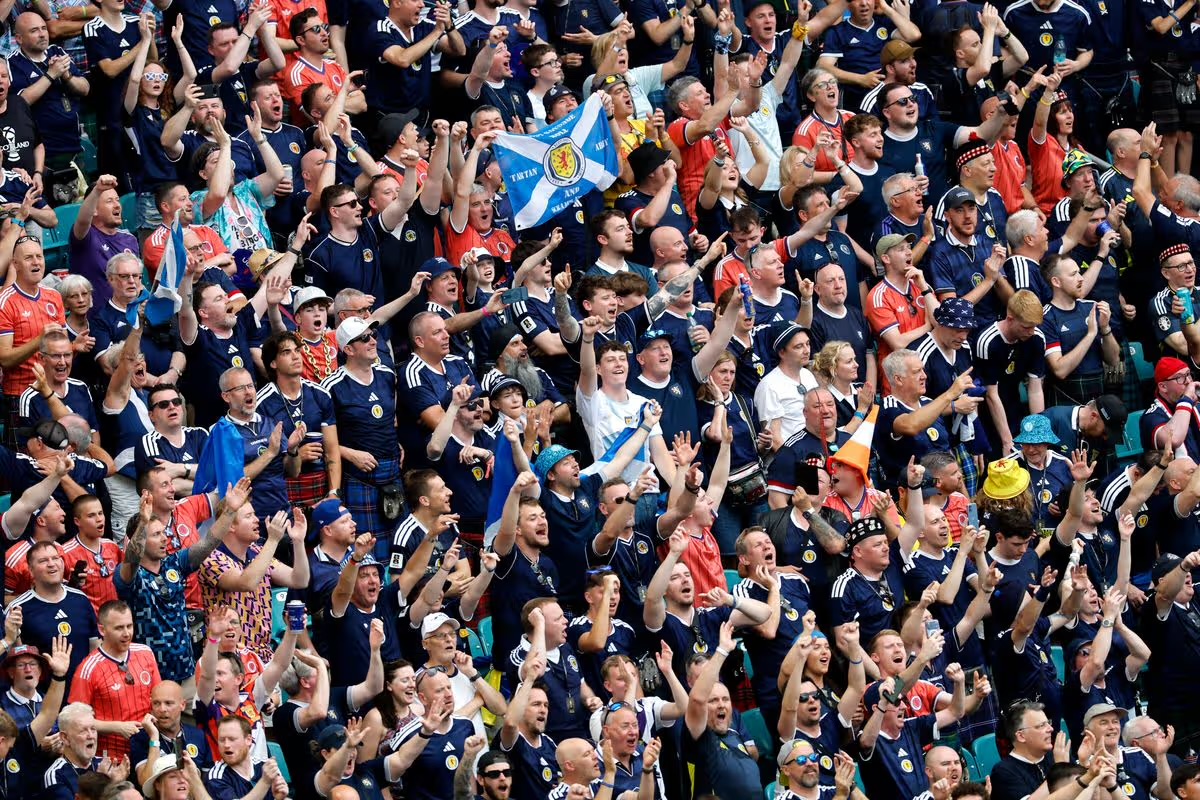
    As the pressure mounted under the Skopje lights, the traveling Scottish supporters took over the auditory landscape of the stadium, turning the arena into a cauldron of unyielding sound.

    The terraces reverberated with the unmistakable, spine-tingling pride of the nation’s beloved anthem, sung with a repetitive, hypnotic ferocity that echoed across every corner of the pitch:

    O Flower of Scotland,
    When will we see
    Your like again,
    That fought and died for,
    Your wee bit Hill and Glen,
    And stood against him,
    Proud Edward’s Army,
    And sent him homeward,
    To think again.

    Addressing a stunned media pack after Saturday’s defeat, Sedloski zeroed in on this exact psychological onslaught as the turning point that cost his side any hope of a comeback. Visibly agitated and struggling to mask his bitterness, the North Macedonia boss confessed that the relentless wall of sound had paralyzed his players’ concentration.

    “It’s difficult to accept how a match can slip away from you when you feel like you have control of your tactical shapes,” Sedloski rages at full time, pointing directly to the stands. “The frequency of that chant made us lose our momentum.

    You can train all week for formations, pressing triggers, and defensive transitions, but when thousands of voices are driving that kind of relentless rhythm over and over again, it alters the psychological state of the players on the grass. The atmosphere changed so violently that our communication completely broke down, and we lost our focus entirely. It is a bitter pill to swallow.”

    The manager’s extraordinary post match outburst shines a light on a phenomenon that tactical analysts often overlook: the crushing psychological impact of an iconic football anthem delivered at maximum volume.

    North Macedonia’s structural discipline did not just crumble under physical pressure; it unraveled under the weight of an unrelenting acoustic assault that rendered their tactical blueprint useless.

    For a team fighting to stay afloat in the group, watching their momentum evaporate beneath the roar of the visiting supporters proved to be an insurmountable hurdle on a difficult Saturday night.
    As the dust settles on Saturday’s crucial result in Skopje, the fallout from Sedloski’s comments will continue to ripple across European football circles.

    For Scotland and Pocognoli, it marks a vital turning point, proving that when the squad and the supporters move as one unified force, they carry enough power to break down any opposition.

    For North Macedonia, it leaves behind an uncomfortable truth: in the fierce arena of international competition, keeping your shape is only half the battle when the stadium starts singing.

  • Class Act After a Massive Win: Arsenal Manager Mikel Arteta High Praise For Underrated leeds Star Who Stood Out In 2-1 loss to arsenal

    Class Act After a Massive Win: Arsenal Manager Mikel Arteta High Praise For Underrated leeds Star Who Stood Out In 2-1 loss to arsenal

    The Premier League continues to deliver theater of the highest order, where the gulf between elite ambitions and resilient underdog fighting spirit routinely produces breathtaking spectacles. When Arsenal welcomed Leeds United to the Emirates Stadium, the fixture promised tactical intensity, high stakes drama, and a classic clash of styles.

    Mikel Arteta’s side entered the pitch carrying the heavy expectations of a title contender, needing absolute control to maintain their pace at the summit of the table. Yet, football matches are rarely scripted by pre match odds alone.

    From the first whistle, Leeds United displayed an ironclad defensive discipline, frustrating the Gunners’ attacking constellations and proving that their early season form was no fluke.

    For the opening forty five minutes, the match unfolded as a tense, suffocating chess match. Arsenal probed with patient, intricate passing sequences orchestrated by Martin Ødegaard and Declan Rice, but found themselves repeatedly repelled by a well drilled Leeds block.

    The visitors executed their 3421 shape with near flawless tactical coordination, closing down passing lanes and absorbing wave after wave of pressure.

    The Emirates crowd grew increasingly restless as the halftime whistle approached with the scoreboard deadlocked at 0-0. It was a testament to Leeds’ defensive organization that a side as potent as Arsenal could be entirely neutralized for long stretches, forced into peripheral circulation without finding a clear breakthrough.

    The complexion of the match shifted dramatically shortly after the interval, sending shockwaves through north London as Leeds stunned the hosts by breaking the deadlock.

    In the 54th minute, a brilliantly constructed transition caught Arsenal’s backline napping, allowing James Justin to charge forward and clinically fire past David Raya to give the visitors a famous lead. The goal completely energized the away supporters and forced Arteta into an immediate tactical reshuffle.

    However, what truly defined the afternoon was not just the shock lead, but the Herculean defensive resistance mounted by Leeds goalkeeper James Trafford, who put on a masterclass between the sticks, denying Arsenal’s attackers with a series of breathtaking reflexes and commanding aerial claims under unrelenting pressure.

    In the wake of a punishing 2-1 defeat where Arsenal ultimately responded through a thunderous equalizer from Riccardo Calafiori in the 61st minute and a late winner from substitute Bruno Guimarães Arsenal manager Mikel Arteta showed true class by delivering high praise for the standout Leeds star, James Trafford.

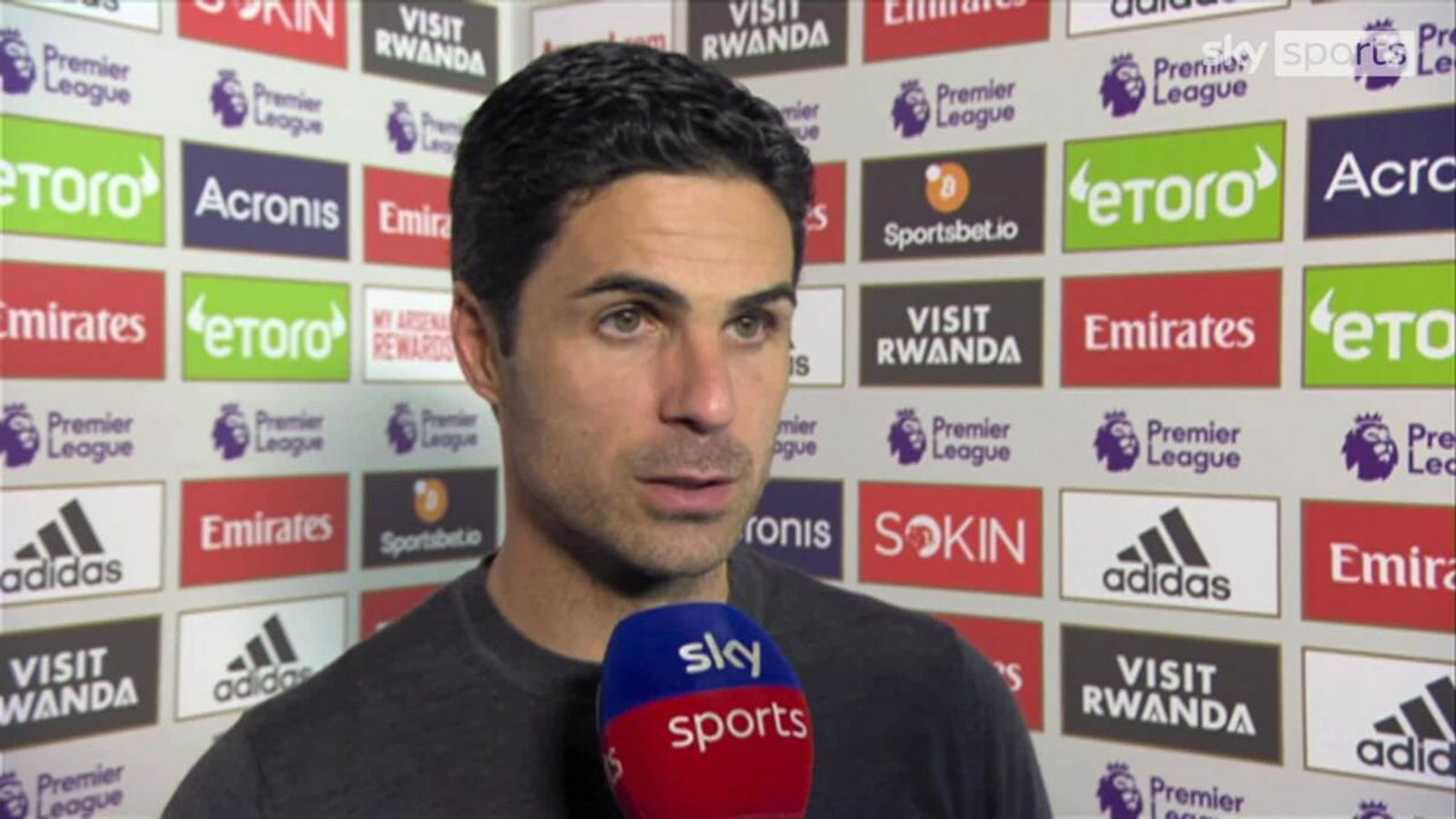
    Speaking to the media in his post match press conference, the Spanish tactician went out of his way to laud the young goalkeeper’s exceptional display, highlighting how his elite shot stopping and composure single handedly kept Leeds in the contest.

    “You have to give immense credit to James Trafford because his performance tonight was extraordinary,” Arteta remarked with clear admiration. “He made saves at crucial moments, commanded his box with incredible maturity, and showed why he is rated so highly.

    When an opponent puts on a defensive exhibition like that, it requires an extra level of quality to break them down. He was exceptional from the first minute to the last.”

    Arteta’s gracious acknowledgment resonated deeply across the footballing landscape, shifting the narrative from a standard comeback win to a genuine appreciation of individual brilliance in defeat.

    Trafford faced wave after wave of intense second half onslaughts as Arsenal pushed frantically for a way back, registering crucial saves and organizing his defensive line with poise beyond his years. Even when Calafiori rifled home from close range and Guimarães completed the turnaround with a ruthless strike into the corner, the young Englishman could hold his head high, having performed at a level that completely justified the glowing post-match assessment from one of the Premier League’s premier managers.

    As the dust settles on another pulsating afternoon at the Emirates, the ramifications of this match stretch in two very different directions.

    For Arsenal, collecting all three points showcases the championship mettle required to grind out victories when performances are far from fluid. For Leeds United, and particularly for James Trafford, this performance serves as an emphatic statement that they can trade blows with the division’s elite on hostile turf.

    If Trafford maintains this towering level of form, the plaudits from opposing managers will quickly turn into regular points, cementing his status as one of the most exciting young talents in English football.

  • Andrew Robertson Publicly Disgraced Scottish Football Legend Who Criticized Him Over His Leadership, Scotland Captain Delivers Brutal Response in Post Match Interview

    Andrew Robertson Publicly Disgraced Scottish Football Legend Who Criticized Him Over His Leadership, Scotland Captain Delivers Brutal Response in Post Match Interview

    Emotions are running at an absolute fever pitch within the Scottish football community following a disastrous night that saw the national team slump to a heavy 3-0 defeat.

    For a passionate fanbase that demands total commitment every time the dark blue shirt is pulled on, the performance was nothing short of a catastrophe.

    Questions are being asked across the country about the direction of the team, the tactical setup, and crucially, the leadership on and off the pitch during moments of severe crisis.
    When a heavy defeat happens on this scale, the spotlight inevitably swings straight to the captain.

    Scotland skipper Andrew Robertson has long been hailed as the heartbeat and talisman of this generation, leading his country through historic qualification campaigns and wearing his heart on his sleeve.

    However, the heavy reversal has brought underlying tensions to the surface, sparking a fierce debate among pundits, former players, and supporters alike over whether the squad’s leadership group possesses the necessary edge to drag the team out of its current slump.

    The friction reached a boiling point in the wake of the full time whistle when Scottish football icon Ally McCoist publicly weighed in on the team’s struggles, aiming a sharp critique directly at the captain by claiming that Robertson has “lost his touch” and no longer commands the undisputed authority required to steer the national side through stormy waters.

    Confronted by reporters in the flash interview zone about McCoist’s biting remarks and the mounting pressure surrounding his leadership, Robertson did not mince words. Delivering a brutally direct response, the Scotland captain fired back:

    “Everyone is entitled to their opinion from the safety of a TV studio or a pundit’s chair, but opinions don’t win football matches or fix what happened out there tonight. If people want to question my leadership or say I’ve lost my touch because of a tough ninety minutes, they can go right ahead.

    I’ve carried this badge through thick and thin, and my focus isn’t on what legends say when things go wrong it’s on fixing this team for the people who actually support us through the pain.” It is a fiery, unapologetic stance that has instantly polarized opinion across the nation.

    Deepening his reflections on leadership and national duty, Andrew Robertson took a moment to address the deeper emotional reality of wearing the armband, emphasizing that his total commitment to the country has never wavered despite the intense scrutiny.

    “I am immensely proud every single time I pull on that jersey and walk out as captain of this national team,” Robertson expressed during an introspective moment in the aftermath of the match. “People only see what happens on the pitch for ninety minutes, but they don’t always see the unseen hours, the physical toll, and the massive personal sacrifices you have to make behind the scenes just to keep performing at the elite level for your country.

    Throughout my career, I’ve given everything I have my body, my time, and my absolute all because representing Scotland means everything to me, my family, and every fan who travels across Europe to back us.

    We’ve shared some incredible highs and endured some painful lows together, but my pride in leading this group of boys has never faded for a single second, and I will always put my heart and soul on the line for this badge, no matter the storm.”

    For some, Robertson’s defensive defiance shows the kind of stubborn pride and thick skin a captain needs during a crisis. For others, taking aim at a revered national treasure like McCoist crosses a line, only serving to escalate a civil war between current players and the punditry class.
    As the dust settles on another bruising international window, the pressure on the dressing room has never been higher.

    Whether this public friction serves as a unifying spark or deepens the cracks within the camp remains to be seen, but one thing is certain: the road ahead requires immediate answers, and the captain’s armband has never felt heavier.

  • Ollie Watkins Finally Breaks Silence on Shocking Reason Behind Aston Villa Exit

    Ollie Watkins Finally Breaks Silence on Shocking Reason Behind Aston Villa Exit

    The footballing world was sent into a state of absolute shock late in the summer transfer window when talismanic striker Ollie Watkins closed the curtain on his illustrious six year career at Aston Villa to complete a blockbuster £50 million move to Saudi Pro League giants Al Hilal. For Villans supporters, the departure felt like the end of an era.

    After all, Watkins was not just another forward; he was the heartbeat of Unai Emery’s revolution, the man who spearheaded their historic charge, and a modern day legend who etched his name into club folklore by becoming their record Premier League goalscorer and helping capture European silverware.

    When the deal was finalized, emotional farewell statements flooded social media, with Watkins expressing his profound gratitude to the fans who chanted his name through every high and low at Villa Park.

    Yet, despite the warm words and the mutual respect shared between the player and the club, the underlying reasons for why a player at the absolute peak of his powers would choose to leave the Premier League for the Middle East remained a subject of intense speculation.

    Pundits debated, fans argued on forums, and many questioned whether the lure of a new chapter could truly outweigh a legacy built in England’s top flight.

    Now, breaking his silence in an exclusive and brutally honest interview, the England international has pulled back the curtain on the driving force behind the most seismic transfer of his career.

    Addressing the critics and the lingering questions head on, Watkins offered a perspective that cuts straight to the reality of modern professional sports, family security, and long term legacy:

    “I don’t want to work after I retire from football. Yes, I was earning enough at Villa, but this move will secure the future of the next generations of my family. I don’t want to lie: with this contract, even my grandchildren will be rich, so why not?”

    It is a statement refreshing in its raw transparency. In an industry where players often lean heavily on diplomatic clichés about “new challenges” and “sporting projects,” Watkins’ candid admission highlights the immense, generational weight professional footballers carry.

    The physical demands of playing at the elite level are relentless, and the window to capitalize on peak earning potential is notoriously short.

    By choosing to secure an extraordinary financial future in the Saudi Pro League, Watkins has opted to safeguard not just his own life after football, but the well being of his children and grandchildren for decades to come.

    The aftermath of his exit has triggered a massive transition at Villa Park, with Unai Emery and the recruitment team forced to accelerate plans to fill the monumental void left in their attack.

    Meanwhile, in Riyadh, Watkins has already begun making his presence felt on the pitch, seamlessly translating his trademark movement and lethal finishing into dazzling performances for Al Hilal.

    As the dust settles on one of the most talked-about transfers of the year, history will ultimately judge Watkins’ legacy by the goals he scored and the memories he created in Claret and Blue.

    Reflecting on his emotional departure from Villa Park, Watkins made it clear that his affection for Aston Villa and its supporters will remain untouched.

    During the interview, he took time to express profound gratitude for the unforgettable journey they shared, noting how the club helped elevate his career to heights he once only dreamed of.

    “My time at Villa was genuinely special, and I will always hold this club, the staff, and the amazing fans close to my heart,” Watkins shared, looking back on his years in Claret and Blue.

    “We achieved incredible things together, and walking out at Villa Park is something I will miss dearly. But in football, you have to be mindful of cycles and timing.

    I felt like I had given everything and reached a pinnacle, and this massive chapter came along at precisely the right moment in my career. It was the correct time to embrace a fresh challenge while leaving the club in a strong position.”

    But as his candid words make clear, the choice to pack his bags and head east was driven by a deep, protective instinct for his family’s future a human element that transcends the white lines of the football pitch.

  • Scottish FA Makes Decision on John Beaton After Controversial Celtic vs Rangers Refereeing Call

    Scottish FA Makes Decision on John Beaton After Controversial Celtic vs Rangers Refereeing Call

    Few fixtures in world football carry the raw, unfiltered intensity of an Old Firm derby, where every single whistle, tackle, and micro decision is scrutinized by millions.

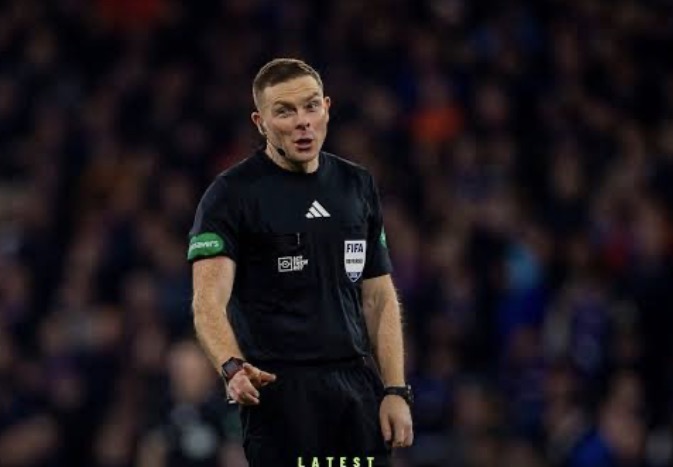
    When Celtic fell to a bruising 1-0 defeat against arch rivals Rangers at Parkhead, the post match autopsy was never going to focus solely on tactical failures or missed chances on the pitch. Instead, the entire footballing nation found itself consumed by another stormy chapter of refereeing controversy, with veteran official John Beaton positioned right at the red hot center of the storm.

    The flashpoint in question arrived during a frantic first half when Rangers defender Emmanuel Fernandez already walking a tightrope after picking up an early yellow card in just the fourth minute for cynically hauling down Celtic’s sprinting forward crashed into midfielder Benjamin Nygren.

    To the utter disbelief of the home dugout, the players, and thousands of roaring supporters, Beaton waved play on, deciding against blowing for a foul or reaching into his pocket for what would have been a nailed on second yellow card and subsequent red.

    Pundits like Chris Sutton and former referees tore into the decision on commentary and analysis shows, arguing that Rangers had miraculously escaped down to ten men and that the match’s entire trajectory had been illicitly altered.

    Amidst the furious outcry and demands for accountability from furious supporters across Glasgow, the Scottish FA delivered its official decision regarding John Beaton’s performance and handling of the derby.

    Breaking its silence following days of intense pressure and emergency reviews by the governing body’s refereeing department, the SFA formally backed the official’s right to his on field judgment, confirming that no retrospective action or public sanction would be brought against Beaton.

    The hierarchy maintained that because the referee chose to interpret the physical challenge as a legal or non sanctionable coming together in real time, the Video Assistant Referee (VAR) system was strictly powerless to intervene, as protocols legally forbid technology from stepping in solely to recommend a second yellow card.
    Unsurprisingly, this ruling has done little to calm the boiling waters on either side of the Clyde.

    While neutral observers point out that Celtic’s own lack of cutting edge ultimately cost them the three points, the SFA’s steadfast defense of Beaton has only amplified conspiracy theories and deep seated institutional distrust among the green and white half of Glasgow.

    Fan forums and social media platforms erupted instantly following the announcement, with supporters arguing that referees continue to be shielded while clubs pay the price for pivotal errors.

    As the dust settles on another chaotic weekend that leaves Celtic licking their wounds during a tense international break, the fallout from Beaton’s derby decisions proves that the shadow of refereeing controversy in Scottish football stretches far beyond the final whistle.

    The SFA may have slammed the door shut on any official punishment, but the debate over consistency, competence, and fairness in high stakes matches will rage on long before a ball is kicked again.

    Few fixtures in world football carry the raw, unfiltered intensity of an Old Firm derby, where every single whistle, tackle, and micro decision is scrutinized by millions.

    When Celtic fell to a bruising 1-0 defeat against arch rivals Rangers at Parkhead, the post match autopsy was never going to focus solely on tactical failures or missed chances on the pitch.

    Instead, the entire footballing nation found itself consumed by another stormy chapter of refereeing controversy, with veteran official John Beaton positioned right at the red hot center of the storm.

    The flashpoint in question arrived during a frantic first half when Rangers defender Emmanuel Fernandez already walking a tightrope after picking up an early yellow card in just the fourth minute for cynically hauling down Celtic’s sprinting forward crashed into midfielder Benjamin Nygren.

    To the utter disbelief of the home dugout, the players, and thousands of roaring supporters, Beaton waved play on, deciding against blowing for a foul or reaching into his pocket for what would have been a nailed-on second yellow card and subsequent red.

    Pundits like Chris Sutton and former referees tore into the decision on commentary and analysis shows, arguing that Rangers had miraculously escaped down to ten men and that the match’s entire trajectory had been illicitly altered.

    Amidst the furious outcry and demands for accountability from furious supporters across Glasgow, the Scottish FA delivered its official decision regarding John Beaton’s performance and handling of the derby.

    Breaking its silence following days of intense pressure and emergency reviews by the governing body’s refereeing department, the SFA formally backed the official’s right to his on field judgment, confirming that no retrospective action or public sanction would be brought against Beaton.

    The hierarchy maintained that because the referee chose to interpret the physical challenge as a legal or non sanctionable coming together in real time, the Video Assistant Referee (VAR) system was strictly powerless to intervene, as protocols legally forbid technology from stepping in solely to recommend a second yellow card.

    Unsurprisingly, this ruling has done little to calm the boiling waters on either side of the Clyde.

    While neutral observers point out that Celtic’s own lack of cutting edge ultimately cost them the three points, the SFA’s steadfast defense of Beaton has only amplified conspiracy theories and deep seated institutional distrust among the green and white half of Glasgow.

    Fan forums and social media platforms erupted instantly following the announcement, with supporters arguing that referees continue to be shielded while clubs pay the price for pivotal errors.

    As the dust settles on another chaotic weekend that leaves Celtic licking their wounds during a tense international break, the fallout from Beaton’s derby decisions proves that the shadow of refereeing controversy in Scottish football stretches far beyond the final whistle.

    The SFA may have slammed the door shut on any official punishment, but the debate over consistency, competence, and fairness in high stakes matches will rage on long before a ball is kicked again.