Author: Newzecho

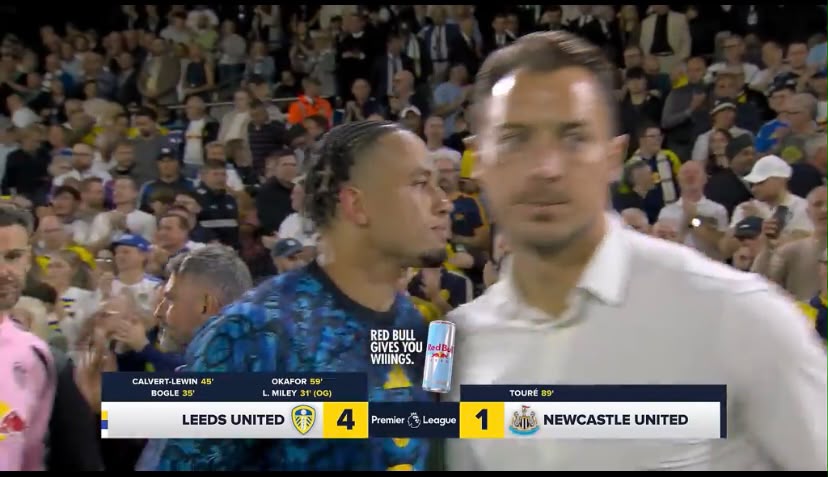
  • Newcastle manager Matthias Jaissle goes on all-time rant as he reveals why he refused to shake hands with two Leeds players, what he said sparking media reaction

    Newcastle manager Matthias Jaissle goes on all-time rant as he reveals why he refused to shake hands with two Leeds players, what he said sparking media reaction

    Newcastle United manager Matthias Jaissle has reportedly found himself at the centre of a fresh media storm following his side’s heavy defeat to Leeds United, with claims surrounding an alleged refusal to shake hands with two Leeds players dominating the post-match conversation.
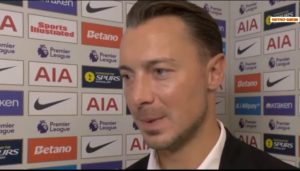
    The alleged incident came after Newcastle suffered a painful 4-1 defeat at Elland Road on Monday, September 14. Leeds produced a commanding performance, scoring three times before half-time before Noah Okafor added a fourth after the break. Bazoumana Touré’s late consolation goal did little to change the mood around the Newcastle camp.

    Jaissle, who recently took charge at St James’ Park following Eddie Howe’s departure, had entered the match with Newcastle unbeaten in the early stages of the campaign. However, the defeat exposed several weaknesses in a young squad still adapting to his methods. The German manager admitted afterwards that his players had failed to match Leeds’ intensity and physicality.

    The alleged handshake controversy

    According to the circulating storyline, Jaissle was visibly frustrated after the final whistle and allegedly declined to shake hands with two Leeds players. The identities of the players and the exact circumstances of the exchange have not been independently established.

    That uncertainty has not stopped the incident from attracting attention. Supporters and commentators have been debating whether the alleged gesture reflected anger at Newcastle’s performance, frustration with something that happened during the match, or simply the emotional reaction of a manager who had just watched his team collapse.

    A handshake between opposing players and managers is traditionally viewed as a gesture of sportsmanship. Any refusal can therefore become a talking point, particularly when it follows a heated contest. Yet without a verified account from Jaissle or the players involved, it would be premature to conclude that the incident was intended as a personal insult.

    Jaissle’s post-match frustration

    What is confirmed is that Jaissle was deeply unhappy with Newcastle’s performance. Speaking after the defeat, he described the result as difficult to digest and acknowledged that Leeds had overwhelmed his side.

    “We couldn’t match the intensity of Leeds,” Jaissle said, according to reports. “We’ll have some ups and downs and this was a big down. A tough night.”

    The manager also stressed that Newcastle could not hide behind excuses. His comments reflected the disappointment of a coach who believed his team had failed to execute the basic requirements of Premier League football.

    Newcastle’s problems were particularly visible in midfield after Nico González was forced off early. Jaissle introduced Sean Steur, leaving a youthful central pairing alongside Lewis Miley. Critics, including talkSPORT’s Adrian Durham and former Newcastle manager Steve Bruce, questioned the decision and described the tactical approach as naive. Jaissle later explained that Jacob Ramsey was not fit enough to play.

    Media reaction grows

    The alleged handshake refusal has added another layer to an already difficult night for Jaissle. Some commentators have interpreted the reported gesture as evidence of a manager struggling to control his emotions, while others believe the reaction has been exaggerated by the intensity of social media discussion.

    Newcastle supporters are understandably demanding answers after a performance that left their team exposed defensively and unable to respond to Leeds’ aggressive pressing. Club legend Alan Shearer also criticised the display, describing it as a “shit show” in a reaction that underlined the scale of the disappointment.

    However, the defeat should also be viewed in the context of Newcastle’s transition. Jaissle is working with a young squad after a turbulent summer, and the club’s sporting director Ross Wilson has previously indicated that the German coach was selected as part of a long-term plan rather than as a short-term solution.

    For now, the alleged handshake incident remains unconfirmed. What cannot be disputed is that Newcastle’s defeat at Elland Road has created pressure around Jaissle, with supporters expecting a strong response in the next fixture.
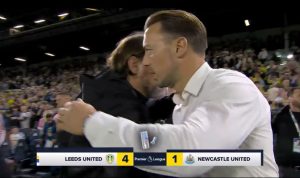
    The manager’s challenge is now to ensure that frustration becomes motivation rather than distraction. If Newcastle recover quickly, the controversy may fade. If poor performances continue, every gesture, decision and post-match comment will face even greater scrutiny.
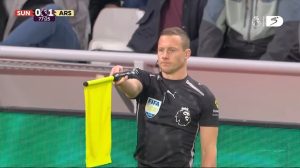
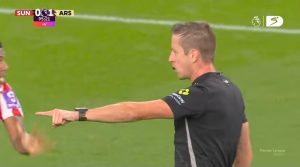
  • PGMOL Forced to Issue Official Statement as Punishment for Referee John Brooks Finalized Following Reinildo Mandava Red Card During Arsenal vs Sunderland Match

    PGMOL Forced to Issue Official Statement as Punishment for Referee John Brooks Finalized Following Reinildo Mandava Red Card During Arsenal vs Sunderland Match

    The controversy surrounding referee John Brooks has continued to dominate football discussions following the red card shown to Reinildo Mandava during Arsenal’s meeting with Sunderland. What initially appeared to be a routine disciplinary decision has now developed into a major officiating debate, with supporters demanding clarity over the referee’s decision and the process used to review it.

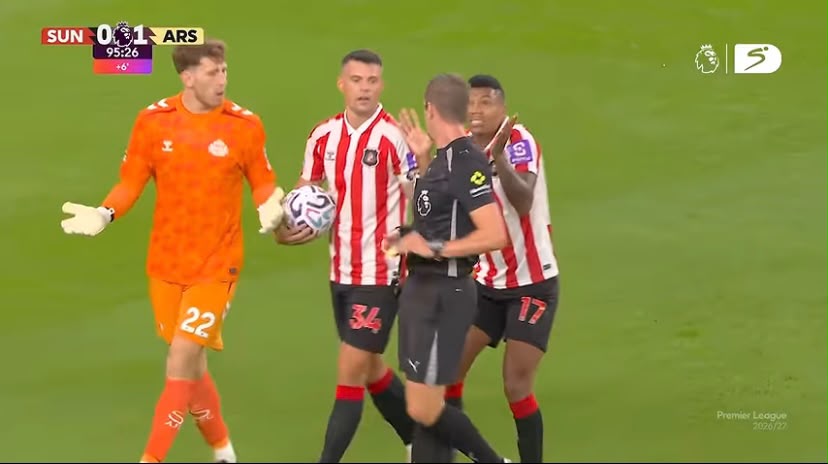
    The incident occurred during a fiercely contested encounter in which both teams battled for control. Reinildo’s challenge immediately attracted attention, and Brooks wasted little time in producing a red card. Sunderland players reacted strongly, while Arsenal supporters questioned whether the punishment was justified. The decision changed the atmosphere inside the stadium and quickly became one of the most discussed moments of the match.

    Although the full details of any disciplinary review remain unclear, reports of a possible PGMOL response have intensified the debate. Supporters want to know whether Brooks’ decision was examined by the relevant authorities and whether any action will follow. In particular, questions have been raised about the consistency of refereeing standards and whether similar challenges have received different punishments in other Premier League matches.

    PGMOL, the body responsible for overseeing professional match officials in English football, has frequently faced pressure when controversial decisions generate widespread criticism. In situations involving a red card, the review process can include an assessment of the referee’s interpretation, the available video evidence and the application of the Laws of the Game. However, not every disputed decision results in a public punishment or a change to the referee’s next appointment.

    i

    That distinction has not stopped fans from demanding an official explanation. Some supporters believe the incident deserves a detailed clarification, particularly if the red card had a significant impact on the match. Others argue that referees must be allowed to make difficult decisions without being subjected to public pressure every time a controversial moment occurs.

    The debate has also raised questions about the role of VAR. If the incident was reviewed, supporters will want to understand whether the video assistant referee agreed with Brooks’ original decision or whether the review process identified a possible error. The precise details matter because a red card can influence the entire structure of a match, affecting defensive organisation, substitutions and the tactical approach of both managers.

    For Sunderland, the incident became another talking point in a match that demanded discipline and concentration. Arsenal, meanwhile, had to manage the contest while the controversy continued to unfold. The focus on the referee has inevitably diverted attention from the players’ performances, but that is often what happens when a major disciplinary decision becomes the defining moment of a game.

    The strongest reaction has come from supporters who believe the authorities should communicate more clearly. Rather than allowing speculation to dominate social media, they want PGMOL to explain whether Brooks followed the correct procedure and whether the decision is considered consistent with current officiating guidance.

    However, it is important to separate confirmed information from online claims. A referee being criticised does not automatically mean that a suspension, demotion or formal punishment has been finalized. Any genuine disciplinary action would need to be confirmed through an official announcement or a reliable report citing the relevant authorities.

    For now, the John Brooks controversy remains a major talking point. The Reinildo Mandava red card has become a symbol of the wider frustration surrounding refereeing decisions, VAR reviews and the lack of immediate explanations after contentious incidents.

    If PGMOL does issue a statement, supporters will expect it to address the central questions directly: Was the red card correct? Was the review process properly followed? And, if an error occurred, what action will be taken?

    Until those questions are answered, the debate is unlikely to disappear. What began as one decision during Arsenal versus Sunderland has now become another test of confidence in Premier League officiating.

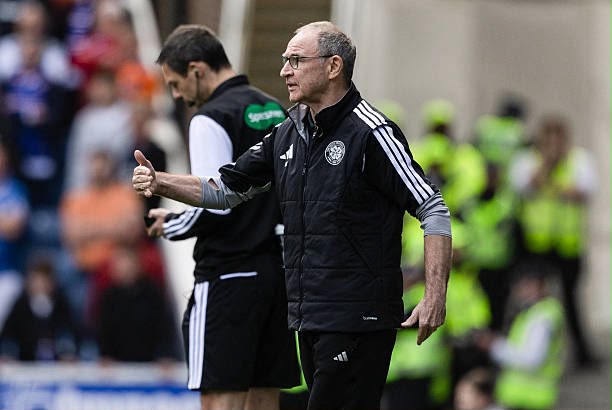
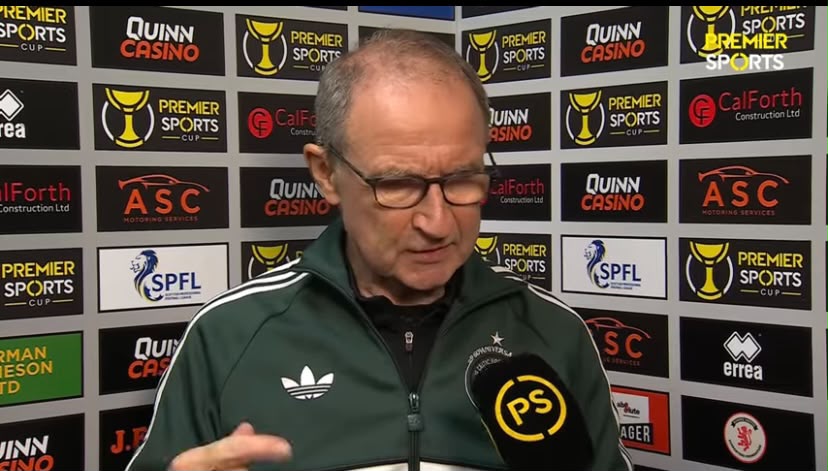
  • Martin O’Neill Faces Celtic Selection Crisis After Rangers Humiliation

    Martin O’Neill Faces Celtic Selection Crisis After Rangers Humiliation

    Martin O’Neill is facing growing questions over his Celtic squad after the Hoops suffered a damaging 3–0 defeat to Rangers in the Scottish League Cup quarter-final at Ibrox.

    The result was one of Celtic’s most disappointing performances of the campaign, with Rangers dominating large periods of the contest and eventually securing a comfortable victory through goals from Dan Neil and Kevin Kelsy. The defeat also ended Celtic’s hopes of defending their League Cup crown.

    However, claims circulating around the aftermath of the match have added another layer of drama, with suggestions that O’Neill could take strong action against a Celtic star following an alleged disagreement over a substitution.

    At present, there is no reliable confirmation that O’Neill has terminated any player’s contract because of the incident. Likewise, reports confirming that a Celtic player outright refused to be substituted have not emerged from the credible sources covering the match. Those claims should therefore be treated as speculation rather than established fact.

    What is clear is that O’Neill was deeply disappointed with the performance. Rangers controlled the second half, while Celtic struggled to create meaningful attacking opportunities. The Hoops managed only one shot on target, underlining just how difficult the afternoon became for the visitors.

    O’Neill had already made a major change at half-time, replacing Sebastian Tounekti with Haissem Hassan. The alteration was an attempt to inject more attacking quality into the Celtic side, but it failed to change the overall direction of the contest.

    Rangers continued to dominate after the interval and eventually doubled their advantage through Kelsy before Neil completed his brace with an outstanding finish from the edge of the Celtic penalty area.

    For O’Neill, the defeat was particularly concerning because Celtic had entered the game in excellent domestic form. They had won their opening league matches and had also defeated St Johnstone 1–0 only days before travelling to Ibrox.

    The Celtic manager subsequently described the defeat as a wake-up call and admitted that his team had been outplayed. He also acknowledged that the experience should serve as a learning opportunity ahead of another Old Firm meeting at Celtic Park.

    That response will now place the spotlight firmly on his squad selection.

    The next few days could be particularly important for players who failed to perform at Ibrox. O’Neill has already shown that he is prepared to make difficult decisions, and the Rangers defeat could accelerate changes to his starting XI.

    One of the biggest concerns is Celtic’s attacking performance. The side struggled to maintain possession, failed to build sustained pressure and found it difficult to cope with Rangers’ intensity. The second half was especially uncomfortable, with Rangers repeatedly threatening to extend their advantage.

    O’Neill’s comments after the match suggested that he does not intend to ignore what happened. Rather than blaming one individual, he indicated that the entire team must learn from the experience.

    That could mean opportunities for players who were left on the bench at Ibrox.

    There is also another immediate incentive for Celtic. Rangers and Celtic are scheduled to meet again at Celtic Park in the league on September 20.

    That fixture gives O’Neill the perfect opportunity to respond.

    A dramatic turnaround would quickly change the mood surrounding Celtic, while another poor performance would inevitably increase pressure on the manager and his players.

    For now, however, the claim that O’Neill has terminated a Celtic star’s contract should not be reported as official. The confirmed story is already serious enough: Rangers produced a commanding 3–0 victory, Celtic were eliminated from the competition, and O’Neill has admitted that his team must learn from a painful Old Firm defeat.

    The coming days will reveal whether that lesson results in major changes inside the Celtic dressing room.

  • SPFL Under Pressure After Rangers Submit Three Complaints Against Celtic Following 3-0 Humiliation

    SPFL Under Pressure After Rangers Submit Three Complaints Against Celtic Following 3-0 Humiliation

    The aftermath of Celtic’s 3-0 defeat to Rangers has taken another dramatic turn, with reports claiming that the Scottish Professional Football League is facing pressure to issue a statement after Rangers allegedly submitted three major complaints against their Old Firm rivals.

    The heavy defeat has already triggered intense debate among supporters, pundits and former players. However, the latest allegations suggest that the controversy could now move beyond the pitch, with questions being raised about Celtic’s conduct and whether disciplinary action should follow.

    Neither the exact contents of the alleged complaints nor any official punishment has been confirmed. Nevertheless, the claims have quickly attracted attention because of the significance of the fixture and the fierce rivalry between the two clubs.

    Rangers Allegedly Demand Answers

    According to the developing storyline, Rangers are believed to have raised three separate concerns with the SPFL following the match. The alleged complaints are said to focus on incidents surrounding the fixture, though specific details have not been officially disclosed.

    That lack of clarity has not stopped supporters from speculating about what may have prompted the reported submission. Some fans believe the complaints could involve matchday conduct, while others suspect that disciplinary or administrative issues may be at the centre of the dispute.

    For Rangers, the timing is particularly important. A 3-0 victory over Celtic is already a major statement in Scottish football, but any successful complaint could add another layer to what was an emphatic result.

    The club’s supporters will now be watching closely to see whether the SPFL acknowledges the allegations and whether any formal investigation follows.

    Celtic Facing Increased Pressure

    Celtic’s defeat has placed manager Martin O’Neill and his players under intense scrutiny. Losing an Old Firm match by three goals is never easily accepted, and the result has already raised questions about the team’s performance, tactical approach and mentality.

    The reported complaints could increase that pressure, particularly if the league decides that any of the alleged incidents require further examination.

    However, it is important to distinguish between a complaint and a confirmed breach of the rules. A club submitting a complaint does not automatically mean that the opposing team will be punished. The SPFL would need to assess the evidence, determine whether its regulations apply and decide whether further action is justified.

    That process could take time, especially if the allegations involve multiple incidents or require statements from officials and both clubs.

    What Could the SPFL Do?

    If the complaints are formally confirmed, the SPFL could potentially request information from Celtic, Rangers, match officials or other relevant parties. Depending on the nature of the allegations, the matter could be referred to the appropriate disciplinary body.

    Possible outcomes could include no further action, a warning, a fine or another sanction permitted under the relevant regulations. Any punishment would depend on the facts of the case and the rules governing the alleged conduct.

    At this stage, however, there is no verified evidence that Celtic have been found guilty of wrongdoing or that a punishment has been imposed.

    The league may also choose to issue a statement simply to clarify whether complaints have been received and whether the matter is being reviewed. Such a statement would not necessarily confirm that Celtic are facing disciplinary action.

    Supporters Await Official Confirmation

    The reaction from supporters has been divided. Rangers fans are demanding transparency and believe that any serious complaint should be properly investigated. Celtic supporters, meanwhile, are likely to want clear evidence before accepting claims that their club could face punishment.

    The situation also highlights the pressure placed on football authorities after major rivalry matches. With emotions running high and social media amplifying every allegation, the SPFL may face calls to explain its position quickly.

    Yet the league must balance the demand for transparency with the need to follow due process. Issuing a statement before the facts are established could create further confusion rather than resolve the controversy.

    A Story Still Developing

    For now, the central claim remains that Rangers have submitted three major complaints against Celtic following their 3-0 victory. The alleged complaints have not been independently verified, and no official punishment has been confirmed.

    What happens next will depend on whether the SPFL acknowledges the reports, whether the complaints are formally investigated and whether any evidence supports disciplinary action.

    The Old Firm rivalry rarely stays quiet after a decisive result, and this latest controversy could ensure that the discussion continues long after the final whistle. But until an official statement is released, supporters should treat claims of punishment as unconfirmed rather than established fact.

  • Social Media Explodes as Celtic Manager Martin O’Neill Responds to Rangers Fans’ Chant, SPFL Urged to Take Immediate Action

    Social Media Explodes as Celtic Manager Martin O’Neill Responds to Rangers Fans’ Chant, SPFL Urged to Take Immediate Action

    Social media has erupted following a heated Celtic and Rangers controversy, with supporters demanding answers after a chant from the Rangers end reportedly drew a strong response from Celtic manager Martin O’Neill.
    The incident has quickly become one of the most discussed talking points among Scottish football supporters, with fans on both sides debating whether the chant crossed the line and whether the Scottish Professional Football League should intervene.


    Although the full circumstances surrounding the alleged exchange remain unclear, the reaction has been intense. Celtic supporters have called for the authorities to examine the incident, while Rangers fans have defended their right to express their emotions during one of Scottish football’s fiercest rivalries.
    O’Neill, whose return to Celtic has already generated considerable excitement, is understood to have been visibly unhappy with the atmosphere surrounding the controversy. His reported response has added further fuel to a debate that was already spreading rapidly across social media.

    The former Celtic manager is known for his passionate personality and his willingness to defend his club. During his previous spell at Parkhead, he became a hugely popular figure among supporters, delivering domestic success and memorable European nights.

    That history means his words carry considerable weight among Celtic fans. When reports emerged that he had reacted strongly to the Rangers chant, supporters immediately began sharing clips, comments and alleged details of what had been said.

    However, without a verified recording or official statement, it remains difficult to establish the exact wording of O’Neill’s response. Several versions of the story have circulated online, with some posts presenting claims as fact despite offering no reliable evidence.

    That has not stopped the debate from growing.
    Many Celtic supporters believe the SPFL should take immediate action if the chant is found to have breached competition rules or disciplinary regulations. They argue that football authorities must apply the same standards to every club and ensure that rivalry does not become an excuse for unacceptable conduct.

    One supporter reportedly described the situation as “another embarrassment for Scottish football,” while others demanded that the SPFL investigate the matter rather than allow the controversy to disappear from public attention.
    Rangers supporters, meanwhile, have questioned whether the reaction has been exaggerated. Some argue that football chants have always been part of the rivalry and that context must be considered before disciplinary action is taken.

    The disagreement has created a familiar divide, with both fanbases accusing the other of double standards.
    For the SPFL, the challenge is to determine whether the incident falls within its disciplinary jurisdiction. If a formal complaint is submitted, the relevant authorities would need to establish what was said, who was responsible and whether the conduct breached the applicable rules.

    Any decision would likely depend on evidence such as match footage, steward reports, referee observations or other verified recordings.
    The controversy also raises questions about the responsibility of managers and players when dealing with provocative incidents. O’Neill’s supporters believe he was right to stand up for Celtic, while critics may argue that managers must be careful not to intensify an already volatile atmosphere.
    For now, the biggest impact has been online. Social media discussions have continued to expand, with supporters analysing every alleged detail and debating whether the incident deserves punishment or simply reflects the emotional nature of the Old Firm rivalry.
    Celtic fans will hope the matter does not distract from the team’s footballing ambitions. Rangers supporters, meanwhile, will be eager to see whether the controversy leads to any formal response from the league.

    Unless the SPFL or Celtic issues an official statement, claims about O’Neill’s exact words and any potential punishment should be treated cautiously.
    What is beyond doubt is that the rivalry remains as intense as ever. A single chant, a reported reaction and a wave of online discussion have once again demonstrated how quickly Scottish football controversy can dominate the national conversation.
    If the authorities do decide to investigate, their findings could determine whether this becomes another chapter in the long-running battle between Celtic and Rangers or simply another heated moment that fades with time.

  • “Never seen a worse player like him” Send him out of Celtic for God’s sake, fans are frustrated after 3-0 loss vs Rangers

    “Never seen a worse player like him” Send him out of Celtic for God’s sake, fans are frustrated after 3-0 loss vs Rangers

    Celtic’s 3-0 defeat to Rangers has left supporters furious, with one player becoming the centre of attention after a performance many fans believe contributed heavily to the disappointing result. What was expected to be a fiercely contested derby instead turned into a frustrating afternoon for Celtic, as Rangers took advantage of their opponents’ weaknesses and secured a convincing victory.


    The reaction from the Celtic support has been particularly strong because of the importance of the fixture. Defeats to Rangers are never easy to accept, but losing by three goals has intensified the anger surrounding the team. For many supporters, the performance raised serious questions about the quality, concentration and mentality of certain players.

    One frustrated fan reportedly summed up the mood by saying, “Never seen a worse player like him. Send him out of Celtic for God’s sake.” While the wording reflects the emotional nature of football criticism, it highlights how quickly supporters can turn against a player when they believe his mistakes have affected the outcome of a major match.

    The unnamed Celtic player was accused by sections of the fanbase of failing to meet the standards expected in a derby of this magnitude. Supporters felt that his decision-making, positioning and overall contribution were not good enough, particularly against a Rangers side that appeared more organised and determined throughout the contest.

    In matches between Celtic and Rangers, individual errors can carry enormous consequences. The intensity is higher, the pressure is greater and every mistake is magnified. When a player struggles in such an environment, fans often focus on him as a symbol of the team’s wider problems.

    However, the defeat cannot fairly be placed entirely on one individual. Football is a team sport, and a 3-0 loss usually reflects failures across several areas. Celtic’s defending, midfield control, attacking movement and response to Rangers’ pressure all deserve examination. Even if one player made costly mistakes, the entire squad must accept responsibility for the result.

    That said, supporters are entitled to question whether certain players are capable of performing consistently at the level Celtic requires. The club’s ambitions demand quality, discipline and reliability, especially in matches that can influence the direction of an entire season. A player who repeatedly struggles in important fixtures will inevitably face scrutiny.

    The defeat also puts pressure on the Celtic manager and coaching staff. Fans will want to know whether the team selection was correct, whether tactical adjustments were made at the right time and whether the players were properly prepared for Rangers’ approach. If the same weaknesses continue to appear, supporters may begin to demand more than just changes on the pitch.

    For the player at the centre of the criticism, the best response would be to show character. Footballers regularly face difficult moments, and a poor performance does not automatically define an entire career. The important question is how the player reacts, whether he accepts responsibility and whether he can improve in the matches that follow.

    Celtic supporters, meanwhile, will expect a strong reaction from the team. A defeat of this nature cannot simply be dismissed as another result. The club must demonstrate that it understands the disappointment and is prepared to address the weaknesses exposed by Rangers.

    The 3-0 scoreline will remain painful for Celtic fans, but the real concern is what happens next. Will the manager make difficult decisions? Will the criticised player be given another opportunity to prove himself? Or will the club consider moving him on if his performances continue to fall below expectations?

    For now, the anger is understandable. Celtic fans wanted commitment, quality and a performance worthy of the derby occasion. Instead, they watched their team suffer a heavy defeat, and one player has become the target of their frustration.

    Whether the criticism is justified in full or exaggerated by the emotion of the occasion, the message from supporters is clear: Celtic must improve, and quickly. The next few matches will reveal whether this defeat was a temporary setback or a warning sign of deeper problems within the squad.

  • “This Is What Rangers Fans Have Been Waiting to Hear” James Tavernier’s Bitter Message Ahead of Celtic vs Rangers

    “This Is What Rangers Fans Have Been Waiting to Hear” James Tavernier’s Bitter Message Ahead of Celtic vs Rangers

    Former Rangers captain James Tavernier has reportedly delivered a bitter message ahead of the latest Celtic vs Rangers showdown, with his alleged comments attracting attention from supporters on both sides of the Old Firm divide.

    Tavernier remains one of the most recognisable figures of the modern Rangers era. During his time at Ibrox, the right-back captained the club through major domestic and European occasions, lifting trophies and becoming a central figure in the rivalry with Celtic. His leadership, attacking contributions and long association with Rangers made him a player whose opinions carried significant weight among supporters.

    That is why any reported remarks from the former captain ahead of a meeting with Celtic are likely to generate a strong reaction.

    The Old Firm fixture is never an ordinary match. It is a contest shaped by history, pressure, pride and the expectations of two enormous fanbases. Every challenge is scrutinised, every decision is debated and every result can influence the direction of an entire season.

    For Rangers supporters, the build-up is often about more than tactics. They want to see players show courage, intensity and commitment from the opening whistle. They want a team capable of matching Celtic’s energy and refusing to be intimidated by the occasion.

    Tavernier’s reported message appears to reflect that frustration. While the exact wording and context of the alleged comments would need to be confirmed, the story has been framed around the former captain saying something Rangers fans have been waiting to hear.

    That has naturally encouraged supporters to revisit his time at the club and the standards he represented.

    As captain, Tavernier experienced the emotional extremes of the rivalry. He was part of Rangers teams that celebrated important victories over Celtic, but he also endured disappointing results and periods when the club struggled to meet expectations. Those experiences gave him an understanding of the pressure surrounding the fixture that few outsiders possess.

    His perspective, therefore, is particularly relevant whenever Rangers approach another high-stakes meeting with their city rivals.

    The central question is whether Rangers can turn the emotion of the occasion into a disciplined performance. Celtic have often demonstrated the importance of controlling possession, pressing aggressively and remaining composed when the match becomes chaotic. Rangers, meanwhile, must find a way to impose their own style rather than simply reacting to their opponents.

    That is where leadership becomes crucial.

    Supporters will expect experienced players to take responsibility, especially if the match becomes tense. They will want Rangers to defend as a unit, compete for second balls and remain mentally strong when Celtic apply pressure. At the same time, the team must avoid allowing the rivalry to distract them from the tactical demands of the game.

    Tavernier’s reported comments have added another layer to that discussion.

    Former captains are often judged by the standards they demand after leaving a club. When they speak about a major fixture, fans may interpret their words as a reminder of what Rangers should represent. For some supporters, the message may sound like a call for greater aggression and determination. For others, it may be viewed as criticism of performances that have failed to meet expectations.

    Celtic supporters, naturally, may see the situation differently. The rivalry guarantees that comments from a former Rangers captain will be examined closely, particularly if they appear to question Celtic’s dominance or suggest that Rangers have something to prove.

    That is part of what makes the Old Firm build-up so intense. Even a short statement can become a major talking point when it comes from a respected figure connected to one of the clubs.

    Ultimately, the focus will return to the pitch. No pre-match comment can decide the result, and Rangers must demonstrate their response through performance rather than words. Celtic will arrive with their own ambitions, while Rangers will be determined to produce a display that satisfies supporters desperate for a statement victory.

    Whether Tavernier’s reported message proves to be genuine, exaggerated or taken out of context, it has captured the mood surrounding the fixture.

    For Rangers fans, the hope is simple: that their team enters the match with belief, bravery and the desire to fight for every moment. In a rivalry where margins are often tiny, those qualities can make the difference between disappointment and glory.

    And if Tavernier’s alleged words have achieved anything, they have reminded everyone that Celtic vs Rangers remains one of the most emotionally charged contests in football.

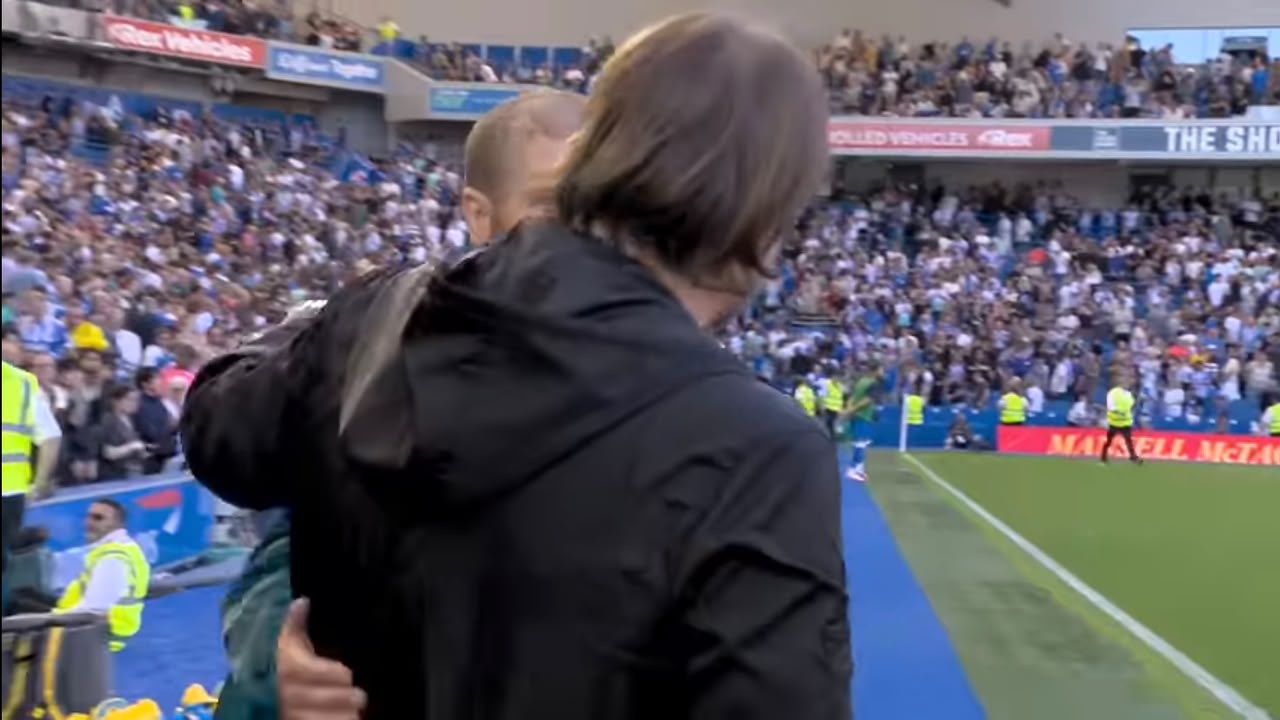
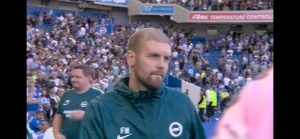
  • PGMOL Confirmed punishment for Brighton manager Fabian Hürzeler after finding out what he told Daniel Farke following 1-1 draw vs Leeds United

    PGMOL Confirmed punishment for Brighton manager Fabian Hürzeler after finding out what he told Daniel Farke following 1-1 draw vs Leeds United

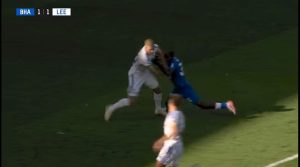
    The aftermath of Brighton and Hove Albion’s 1-1 draw against Leeds United has generated plenty of discussion, particularly around Brighton manager Fabian Hürzeler and his exchanges with Leeds boss Daniel Farke. However, claims that PGMOL has officially confirmed a punishment for Hürzeler should be treated with caution because there is currently no verified official announcement confirming that such a sanction has been imposed.

    Brighton and Leeds shared the points at the Amex Stadium on September 5, with Jayden Bogle giving Daniel Farke’s side the lead before Luka Vušković equalised for the hosts in the second half. The result maintained Leeds’ unbeaten start to the Premier League campaign, while Brighton were left reflecting on another match in which they needed a significant improvement after the interval.

    The match itself provided plenty for both managers to discuss. Leeds had the better of the opening period and created several opportunities to extend their advantage. Brighton eventually responded strongly after the break, with Vušković’s header completing the comeback and giving the home side a share of the points.

    Hürzeler was particularly critical of Brighton’s first-half performance when speaking after the match. He admitted that his team lacked the intensity and energy required at the beginning and praised the players for producing a completely different performance after half-time.

    According to Brighton’s official account, Hürzeler said his team needed to understand that football starts with doing the basics correctly, being physical and working harder than the opponent. He also acknowledged that producing two completely different halves was not enough to win Premier League matches.

    Those comments have inevitably fuelled speculation about what may have been said between Hürzeler and Farke after the final whistle. The two managers had already exchanged words before kick-off, and their teams then played a fiercely competitive contest.

    But there is an important distinction between speculation and confirmed disciplinary action.

    At present, the available official and reputable reports do not establish that Hürzeler made comments to Farke that breached PGMOL rules. Neither Brighton’s official match reaction nor the available match reports confirms a disciplinary charge against the Brighton manager.

    That does not mean disciplinary authorities could never investigate an incident involving a manager. Managers can face consequences for inappropriate conduct toward match officials, technical-area misconduct or other breaches of competition regulations. But an allegation of a punishment should not be presented as confirmed unless PGMOL, the FA or another appropriate authority actually announces it.

    The public comments from both managers also suggest that the focus after the match was primarily on football rather than a major confrontation.

    Farke described the result as a good point considering Leeds’ record at Brighton, while also acknowledging that his team had missed an opportunity to win after creating numerous chances.

    Hürzeler, meanwhile, concentrated on Brighton’s reaction. He praised his players for showing character after going behind and highlighted the dramatic improvement in intensity during the second half.

    That reaction was understandable. Brighton produced 17 shots after half-time according to the club’s review of the match, while Vušković’s equaliser eventually gave them the opportunity to push for a winner.

    The biggest talking point, therefore, may not be a supposed punishment but the contrasting performances from Brighton before and after the interval.

    For Farke, there was frustration that Leeds failed to turn their dominance into a second goal. For Hürzeler, there was relief that his team recovered sufficiently to avoid defeat.

    If further information emerges about an alleged conversation between the managers or a disciplinary investigation, it would need to come from an official source before claims of a PGMOL punishment can be regarded as fact.

    For now, the confirmed story is that Brighton recovered from a poor first half to draw 1-1 with Leeds, while both managers publicly focused on the football rather than confirming any disciplinary confrontation.

    The result leaves Leeds with five points from their opening three league matches and Brighton still searching for greater consistency across 90 minutes.

    For Hürzeler, the immediate challenge is clear: Brighton must learn to begin matches with the same intensity they have shown when chasing games. If they can do that, the German coach will hope the controversy surrounding the post-match claims quickly disappears and the attention returns to what happens on the pitch.

  • “He call me everyday to join him”, Celtic set to lose another player to Ipswich after revealing his relationship with Daizen maeda

    “He call me everyday to join him”, Celtic set to lose another player to Ipswich after revealing his relationship with Daizen maeda

    Celtic could be facing another difficult transfer situation after a fresh claim surrounding former Hoops star Daizen Maeda and his relationship with one of the club’s current players.

    Maeda completed his move from Celtic to Ipswich Town during the summer, bringing an end to his time in Glasgow and opening a new chapter in the Premier League. The Japanese forward joined Ipswich in a deal reported to be worth around £10 million, with the transfer representing a major move for both the player and the English club.

    However, the latest speculation has raised concerns among Celtic supporters that Maeda could now play an unexpected role in convincing another Hoops player to follow him to Portman Road.

    The dramatic claim centres on an alleged relationship between Maeda and the unnamed Celtic player, with suggestions that the two remain in regular contact following the Japanese international’s departure.

    “He calls me every day to join him,” is the reported revelation that has sparked excitement among Ipswich supporters and anxiety among Celtic fans.

    There is currently no strong independent confirmation of that specific quote, but the possibility has naturally created plenty of discussion because Ipswich have already demonstrated their willingness to recruit from Celtic.

    Maeda was one of Celtic’s most influential attacking players before leaving the club. His pace, pressing ability, work rate and versatility made him a hugely important figure, particularly during the latter stages of his Celtic career. His departure therefore represented a significant loss for the Scottish champions.

    Sky Sports reported that Maeda’s transfer to Ipswich was completed alongside Celtic agreeing a club record deal for Kasper Høgh from Bodø/Glimt. The move highlighted just how quickly Celtic had to reshape their attacking options following the Japanese forward’s departure.

    Now, the possibility of another player leaving for the same destination would inevitably raise questions about Ipswich’s recruitment strategy.

    For Ipswich manager Gary O’Neil, signing players who already understand the demands of Celtic could make sense. Maeda knows the mentality required to perform under pressure, compete for trophies and handle the expectations surrounding a major club. His knowledge of Celtic’s squad could also make him an interesting source of information for Ipswich’s recruitment team.

    More importantly, his personal relationships with former teammates could potentially make England an attractive destination for players considering their futures.

    The situation would be particularly frustrating for Celtic supporters if another important player were to leave shortly after Maeda. Celtic have already seen several changes to their squad, with recent reports listing Maeda among the permanent departures alongside Arne Engels, Maik Nawrocki and Luis Palma.

    That makes squad stability increasingly important.

    Celtic cannot afford to lose key players without ensuring that suitable replacements are available. While player sales can provide valuable funds, losing several established members of the squad in a short period can create problems with continuity, especially when European football places additional demands on the team.

    For Ipswich, meanwhile, the acquisition of Maeda already looks like a statement of intent.

    The Japanese forward gives them speed and energy in attack, while his ability to operate from wide areas or through the middle provides tactical flexibility. Reports have described his move as a major addition for the newly promoted Premier League side.

    If the latest claim eventually develops into a genuine transfer approach for another Celtic player, Maeda’s influence could become an interesting subplot.

    Celtic will obviously hope that the relationship remains nothing more than friendship and that their player remains fully committed to the club.

    For now, supporters should treat the “he calls me every day” claim with caution because there is no authoritative confirmation that such conversations are actually taking place.

    Nevertheless, the story has captured attention because the football world has already witnessed Maeda make the journey from Celtic Park to Portman Road.

    If another Celtic star eventually follows him, questions will inevitably be asked about whether Ipswich have discovered a new recruitment pathway through one of Celtic’s former fan favourites.

    For Celtic, the priority will be simple: keep their best players, maintain squad depth and prevent Maeda’s departure from becoming the beginning of another major exodus.

    For Ipswich, however, the message could be very different.

    If Maeda is already enjoying life in England, there may be no harm in trying to convince an old teammate to join him.

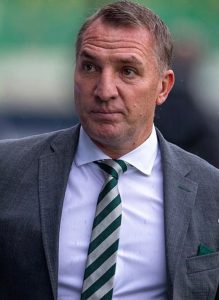
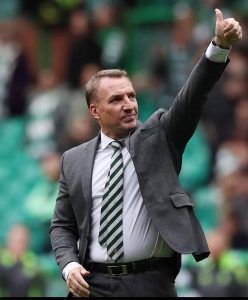
  • Brendan Rodgers Set for Sensational Return to Scotland as Rangers Interest Sends Shockwaves Through Celtic

    Brendan Rodgers Set for Sensational Return to Scotland as Rangers Interest Sends Shockwaves Through Celtic

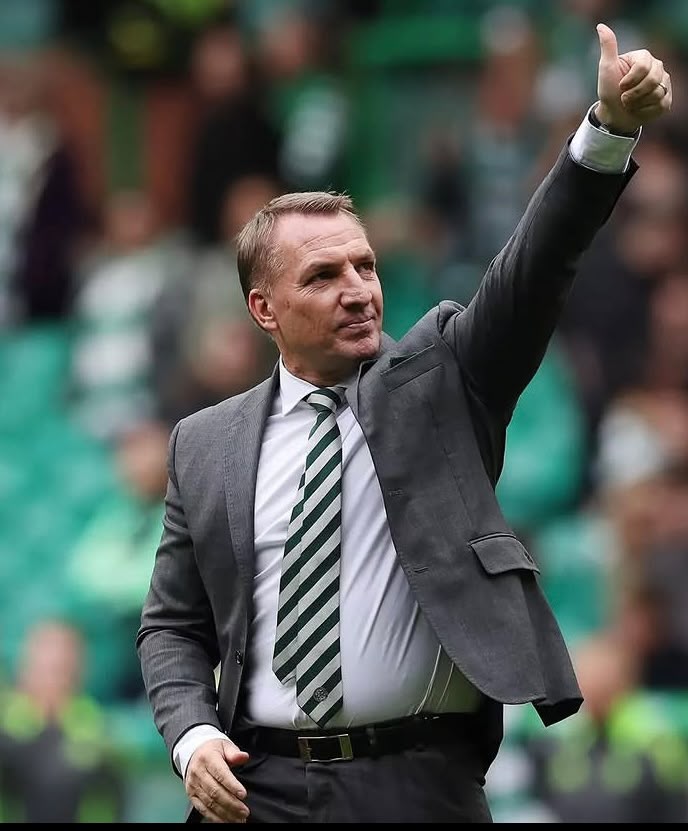
    Brendan Rodgers has once again found himself at the centre of a sensational Scottish football storyline, with speculation linking the former Celtic manager with a potential return to Scotland and, remarkably, a move to Rangers. While there is no confirmed evidence that Rangers have formally approached Rodgers, the mere suggestion has been enough to create enormous debate among supporters on both sides of the Old Firm divide.

    For Celtic supporters, the prospect of Rodgers sitting in the Rangers dugout would represent one of the most extraordinary developments imaginable. Rodgers is deeply associated with Celtic after two spells at Parkhead, during which he delivered major domestic success. His first spell produced seven trophies, including back to back domestic trebles, before his controversial departure for Leicester City in 2019.

    His second Celtic spell began in 2023 when he returned to replace Ange Postecoglou. Rodgers again delivered silverware, including league titles, before resigning in October 2025 following a difficult period that culminated in a 3-1 defeat against Hearts.

    That departure ensured that Rodgers’ relationship with Celtic supporters remained complicated. Some fans continued to admire the success he brought to the club, while others remained frustrated by the circumstances surrounding his exit. A move to Rangers would therefore reopen old wounds and potentially create one of the biggest managerial controversies Scottish football has seen.

    The situation becomes even more intriguing because Rodgers is not simply a manager with Scottish experience. He is a manager who understands the pressure of the Old Firm better than most coaches who have worked outside Scotland. He knows the expectations, the intensity, the European demands and, most importantly, what it means to manage a club where every dropped point becomes a national talking point.

    Rangers, meanwhile, would understand exactly what they would be getting if they ever decided to explore such an appointment. Rodgers has already demonstrated that he can build dominant domestic teams in Scotland. His Celtic sides were capable of controlling matches, winning trophies and producing football that overwhelmed opponents.

    That is precisely why the hypothetical Rangers interest would be so explosive.

    For Celtic, the nightmare would not simply be losing a former manager to their greatest rivals. It would be the possibility of watching Rodgers use his knowledge of Celtic to help Rangers close the gap. He knows the strengths and weaknesses of the club, understands the mentality surrounding Old Firm fixtures and has experienced the pressure of playing in front of Celtic Park.

    However, there is another major factor that cannot be ignored.

    Rodgers currently has a different chapter of his career to consider. Reports established that he joined Saudi club Al Qadsiah after leaving Celtic, meaning any potential Scottish return would require a significant change in circumstances.

    That makes the Rangers scenario far from straightforward.

    There is also the question of whether Rodgers himself would ever consider crossing the Glasgow divide. His history with Celtic is extensive, and his achievements at Parkhead have made him a significant figure in the modern history of the club. Choosing Rangers would transform his legacy overnight.

    Yet football has repeatedly shown that apparently impossible moves can become possible when the right circumstances emerge.

    The timing would also be extraordinary. Celtic and Rangers remain the two defining forces in Scottish football, and the rivalry has rarely been short of drama. Recent tensions have become so serious that the SPFL confirmed that away supporters would be excluded from Old Firm matches for the remainder of the 2026/27 season following disorder surrounding a previous fixture.

    Against that backdrop, the idea of Rodgers moving from Celtic to Rangers would add another extraordinary layer to an already intense rivalry.

    For now, however, supporters should separate speculation from fact. There is no reliable confirmation that Rangers have secured Rodgers, nor that a formal agreement is close. The story remains a hypothetical and sensational possibility rather than an established transfer of managerial power.

    Nevertheless, the reaction demonstrates just how powerful Rodgers’ name remains in Scottish football.

    If Rangers were ever to seriously pursue him, Celtic would face an uncomfortable dilemma. They could dismiss the possibility and trust that Rodgers would never cross the divide, or they could prepare for the unthinkable prospect of their former manager becoming the man tasked with rebuilding their fiercest rivals.

    And if Rodgers ever walked into Ibrox, the first Old Firm meeting would instantly become one of the most anticipated fixtures in Scottish football history.

    For Celtic supporters, it would be a nightmare scenario.

    For Rangers supporters, it could be viewed as the ultimate statement of intent.

    And for Scottish football, it would be another chapter in one of the world’s most intense football rivalries.