newzechoblog
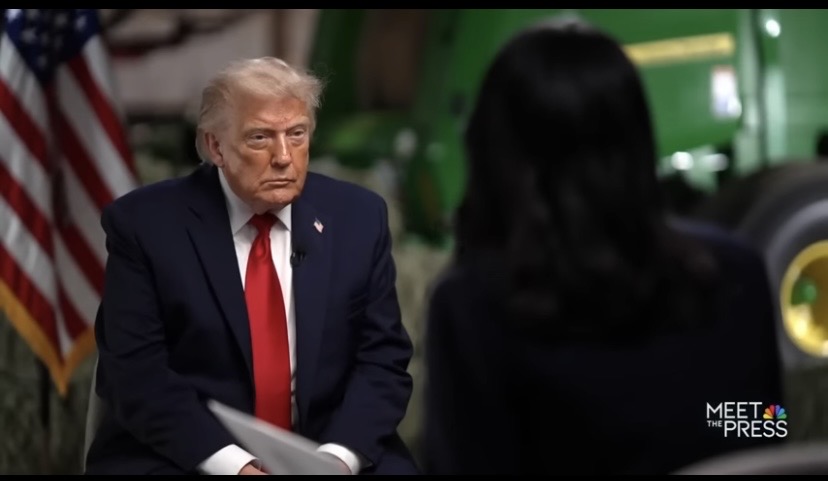
The football world erupted after comments attributed to U.S. President Donald Trump about England’s dramatic 3-2 victory over Mexico at the 2026 FIFA World Cup. Within minutes, social media was flooded with screenshots, edited videos and sensational headlines claiming Trump had taken aim at both teams, sparking heated debates among supporters from around the world.
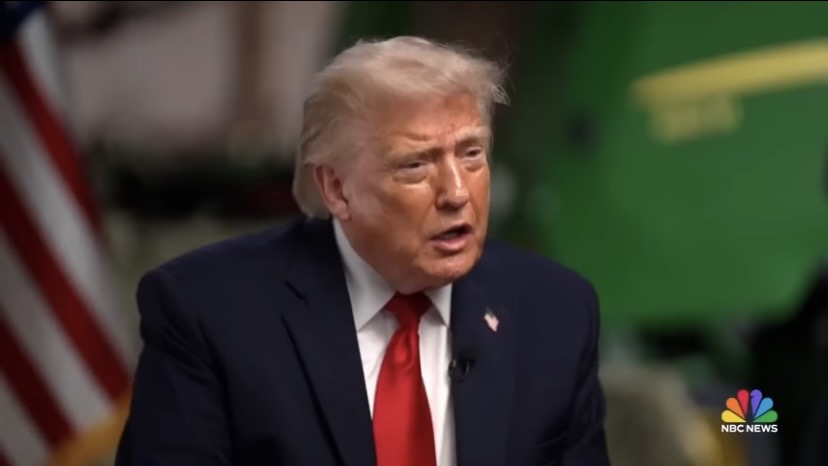
But what actually happened?
The truth is far less dramatic than many of the viral posts suggested. As the England versus Mexico clash dominated headlines following its thrilling finish, numerous accounts began sharing quotes supposedly made by Trump. Some posts claimed he had called the match “rigged,” while others alleged he praised one team and mocked the other. The statements spread rapidly across multiple social media platforms, with thousands of fans reacting before verifying whether the comments were genuine.
The confusion highlights a growing problem surrounding major sporting events. Whenever a high profile match captures global attention, fake quotes and misleading headlines often circulate alongside real news. Fans eager for updates sometimes share information without checking its source, allowing rumours to travel faster than verified facts.
England’s victory over Mexico was already one of the most talked about matches of the tournament. The game featured controversial refereeing decisions, passionate appeals from both benches and several dramatic moments that left supporters arguing long after the final whistle. Those circumstances created the perfect environment for misinformation to spread.
As the rumours intensified, several fact checking accounts and journalists searched for the original source of Trump’s supposed comments. They found no official statement, no verified interview and no authentic social media post containing the viral quotes. Many of the images being shared had clearly been edited, while some videos had captions added that did not match the original recordings.
That did not stop the story from exploding online.
Football fans from England and Mexico continued debating the alleged remarks, with many expressing outrage despite there being little evidence that Trump had ever said the words attributed to him. Some supporters defended him while others criticised him, demonstrating just how quickly misinformation can shape online conversations.
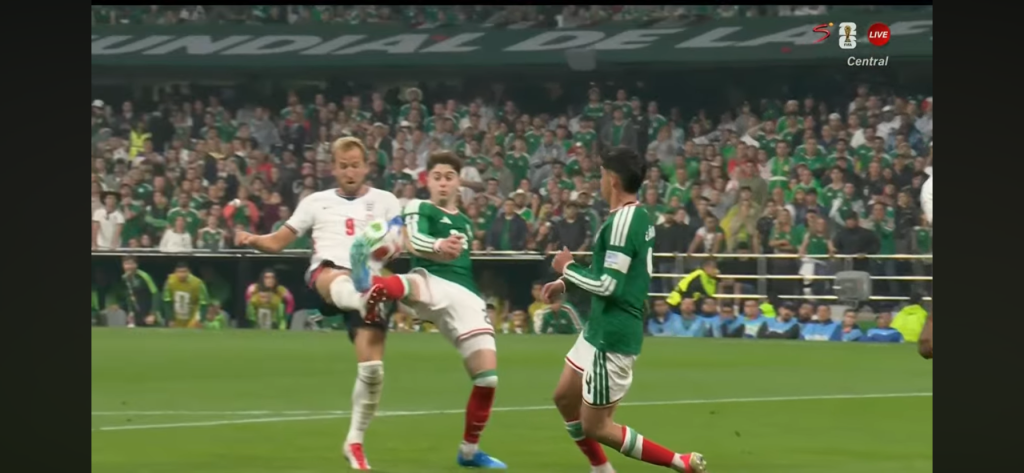
The match itself certainly did not need any extra drama. England survived a determined Mexican challenge to book their place in the quarterfinals after an entertaining contest that showcased attacking football from both sides. Mexico earned widespread praise for refusing to back down, while England were applauded for finding a way to win under immense pressure.
Attention then shifted toward the officiating. Several controversial decisions became major talking points among pundits and former players, with debates continuing across television broadcasts and online discussions. That controversy made it even easier for fabricated stories to gain traction because emotions were already running high.
Experts who monitor misinformation explained that major sporting events are increasingly targeted by accounts seeking engagement. A dramatic headline involving a famous political figure and a controversial football match is almost guaranteed to attract millions of views, regardless of whether the claims are accurate.
This serves as an important reminder for supporters to verify information before sharing it. Official statements usually appear through verified government accounts, established news organisations or direct interviews. When a sensational quote appears without any credible source, it is worth treating it with caution until reliable confirmation emerges.
For England, the focus quickly returned to preparations for the quarterfinals. Players and coaching staff avoided distractions, insisting that their priority remained progressing further in the tournament rather than responding to online speculation.
Mexico, despite their elimination, left the competition with considerable respect after pushing one of the tournament favourites to the limit. Their spirited performance earned praise from neutral fans who admired the team’s determination and attacking intent.
Meanwhile, discussions about misinformation continued among football supporters. Many admitted they had initially believed the viral posts before discovering that no evidence supported the claims. Others called on social media platforms to respond more quickly when fabricated quotes begin spreading during major international events.
Ultimately, the biggest lesson from the controversy is that not every viral story reflects reality. The excitement surrounding the England versus Mexico match created fertile ground for rumours, but careful examination revealed that many of the most shocking claims lacked credible evidence.
Football is emotional enough without manufactured controversy. While passionate debate is part of what makes the sport special, separating verified facts from internet rumours is becoming increasingly important. As the World Cup continues, supporters will undoubtedly witness more dramatic moments on the pitch, but the smartest fans will remember to check the facts before believing every headline that appears on their timelines.

 Ejima hassan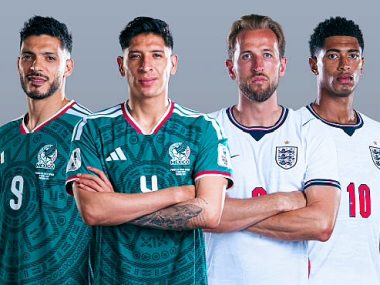
 Haruna Onimisi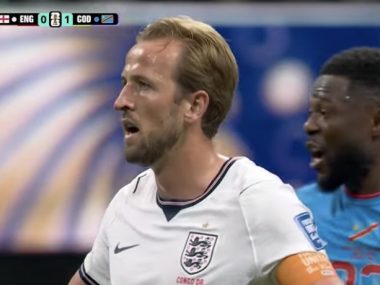
 newzechoblog