 Haruna Onimisi
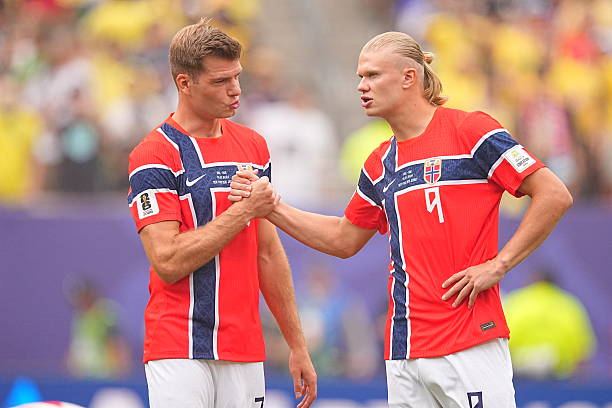
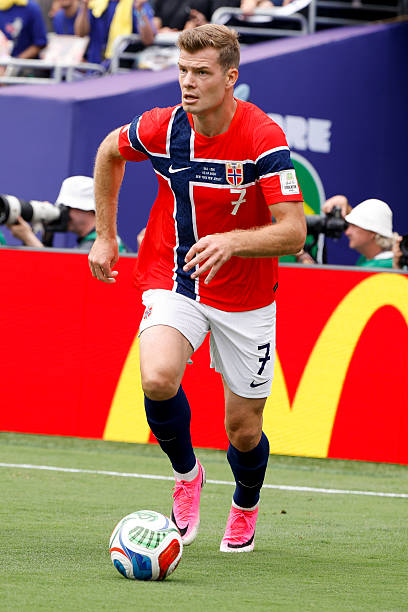
Many supporters have accused Alexander Sorloth of making the wrong decision when Norway desperately needed an equalizer, claiming he should have passed the ball to Erling Haaland instead of attempting to create the chance himself. The incident has quickly become one of the most talked-about moments of the match, sparking heated debates across social media platforms.
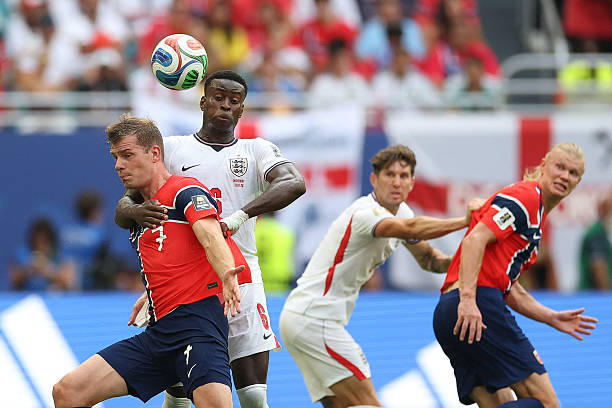
As emotions continue to run high following Norway’s elimination, clips of the controversial attack have been viewed millions of times online. Football fans have slowed down the footage frame by frame, trying to determine whether Haaland was in a better position to score. While some insist the pass was the obvious option, others argue that football decisions are made in a split second and are far more difficult than they appear when watched repeatedly from different camera angles.
The backlash against Sørloth has been intense. Thousands of supporters have flooded his social media pages with criticism, blaming him for Norway’s defeat. Some fans believe that passing to Haaland would almost certainly have resulted in a goal, considering the Manchester City striker’s reputation as one of the world’s most clinical finishers. Others, however, have defended Sørloth, pointing out that strikers are naturally expected to back themselves when an opportunity presents itself.
Amid the criticism, there have also been reports that the Norwegian forward has received abusive messages online. While frustration is common after major international tournaments, many fans and football personalities have stressed that no player deserves to face personal abuse or threats over a decision made during a football match. Passion for the game should never cross the line into harassment or intimidation.
Football is filled with moments that are judged differently after the final whistle. A decision that seems obvious from the comfort of a television screen often feels completely different on the pitch, where players have only a fraction of a second to react while under immense pressure from defenders. Former players have frequently spoken about how quickly situations develop in high-level football, making hindsight an unfair way to judge split-second choices.
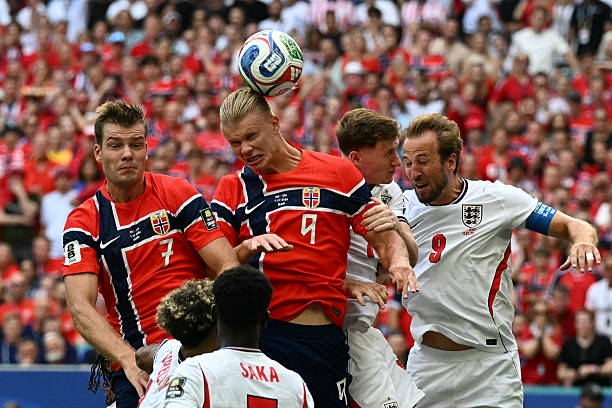
England, meanwhile, deserve credit for capitalizing on the opportunity. Their disciplined defending and clinical finishing helped secure a hard-fought 2–1 victory against a determined Norwegian side. Gareth Southgate’s team remained composed during the closing stages despite Norway’s relentless pressure, showing why they continue to be regarded as one of the tournament favorites.
For Norway, the defeat will undoubtedly be painful. With Haaland leading the attack, expectations were high that they could produce another memorable comeback. Instead, the match ended with disappointment, and attention shifted away from England’s victory to the controversial decision involving Sørloth in the dying moments.
The incident has also reignited the long-running debate about selfishness versus confidence in football. Every great striker is expected to have the belief to take responsibility when a chance appears. Had Sørloth scored, many of the same fans criticizing him today would likely have praised his confidence and composure. Football often turns heroes into villains—and villains into heroes—based on the smallest margins.
Managers and teammates are also expected to rally around the striker. Dressing rooms understand better than anyone that mistakes and difficult decisions are part of the game. Every player has experienced moments they wish they could replay differently, but football moves on quickly, and the next opportunity is never far away.
Regardless of differing opinions about the decision, one thing should unite football supporters: criticism should never become abuse. Fans have every right to debate tactics, decisions, and performances, but sending hateful messages or death threats is unacceptable under any circumstance. Players are human beings who experience the same emotions as everyone else, and no sporting moment justifies personal attacks.
The debate surrounding Alexander Sørloth’s decision will likely continue for days, perhaps even years, as supporters argue over what might have been. But while opinions on the missed opportunity will always differ, respect for the individuals involved should remain non-negotiable. Football is ultimately a game decided by moments, and sometimes those moments become painful lessons rather than glorious memories.


 newzechoblog

 Abdul Azeez

 Ejima hassan