newzechoblog
Football fans have been left debating across social media after FIFA released a statement congratulating England following their dramatic victory over France in the 2026 FIFA World Cup third place play-off, while continuing to face questions surrounding the controversy involving Argentina’s post match Falklands banner.
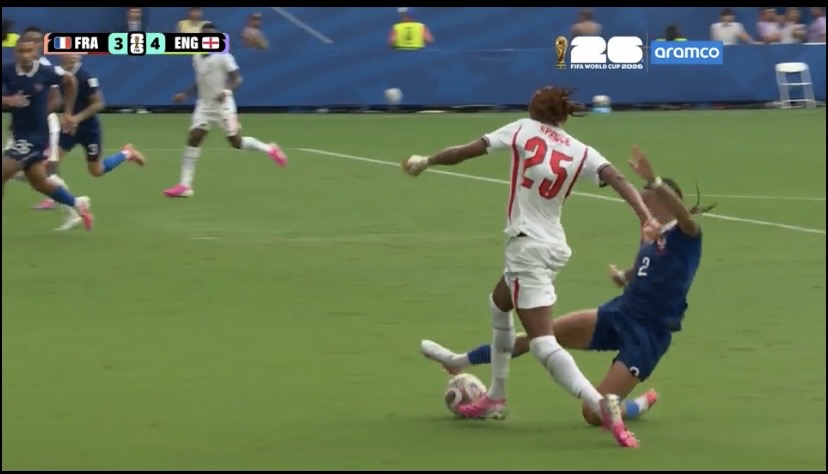
England secured an unforgettable 6-4 victory over France to claim third place in one of the most entertaining matches of the tournament. Thomas Tuchel’s side produced an outstanding attacking display, with Bukayo Saka’s hat trick helping England finish the World Cup on a high after the heartbreaking semi final defeat to Argentina just days earlier.
Following the match, FIFA published a statement praising England’s achievement, congratulating the team on an impressive campaign and acknowledging the exciting football displayed throughout the tournament. The governing body also thanked France for their contribution to an entertaining World Cup and wished both nations success in their future international competitions.
However, while many supporters welcomed the recognition of England’s achievement, others immediately questioned why FIFA had not provided greater clarity regarding the disciplinary process surrounding Argentina’s controversial celebrations after their victory over England in the semi finals.
The controversy began when Argentina’s players displayed a banner referring to the Falkland Islands, known in Argentina as Las Malvinas, during their post match celebrations. The incident quickly attracted international attention and generated political reactions beyond the football world, with several public figures calling for FIFA to investigate whether the display breached the organization’s disciplinary regulations.
The Falkland Islands Government described the banner as insensitive, while politicians in the United Kingdom urged FIFA to take action. Argentina, meanwhile, defended the actions of its players and maintained its long standing national position regarding the islands, creating an issue that extended well beyond football.
As FIFA celebrated England’s thrilling victory over France, many fans flooded social media asking whether the governing body would soon announce the outcome of its review into the Argentina incident.
Some supporters argued that football should remain separate from political disputes, insisting that the focus should remain on performances on the pitch. Others believed FIFA must enforce its regulations consistently whenever political messages appear during official tournaments.
The debate intensified because the Argentina England rivalry has always carried historical significance, with previous World Cup meetings often overshadowed by events connected to the Falklands conflict. The latest controversy has once again placed that rivalry under the global spotlight.
Despite the off field discussions, England’s performance against France received widespread praise. Tuchel expressed pride in his players after they recovered from the disappointment of missing out on the World Cup final, describing the team’s character and resilience throughout the competition.
France, meanwhile, ended Didier Deschamps’ remarkable spell as head coach with a defeat, although his legacy remains secure after years of success with the national team.
Attention now turns toward the World Cup final, but the fallout from Argentina’s controversial celebrations is unlikely to disappear until FIFA completes its disciplinary review. Supporters from both sides continue to debate whether further sanctions are appropriate or whether the matter should now be considered closed.
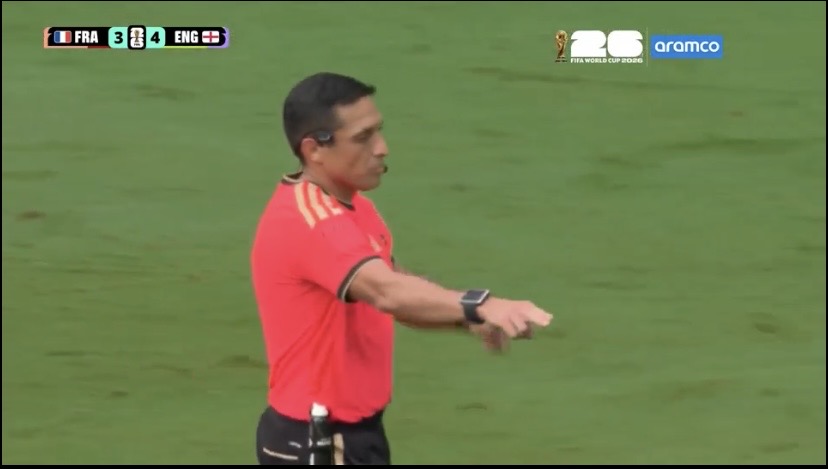
For now, England can celebrate a memorable third place finish after an extraordinary victory over France, while FIFA faces continued pressure to provide a definitive conclusion to one of the tournament’s most talked about off field controversies.


 newzechoblog
 Ejima hassan

 Haruna Onimisi