 newzechoblog
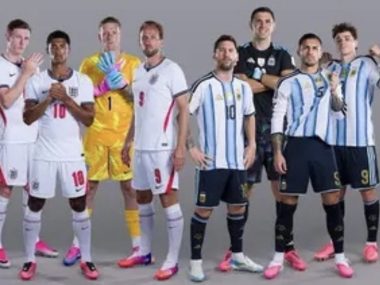
The 2026 FIFA World Cup final between Spain and Argentina will be remembered not only for Spain’s historic triumph but also for the heated debate surrounding referee Slavko Vinčić’s performance. Moments after the final whistle, social media erupted with supporters from both sides questioning several key decisions made during the tense encounter at MetLife Stadium.
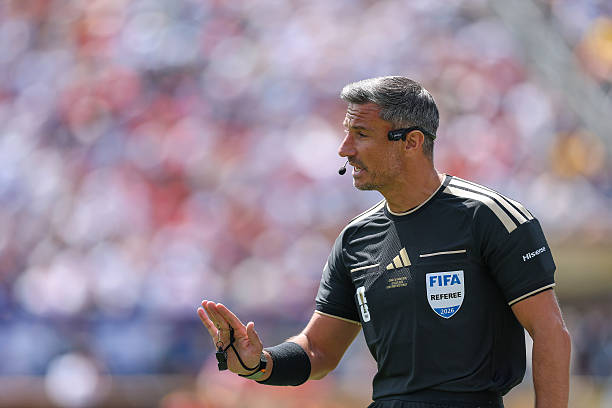
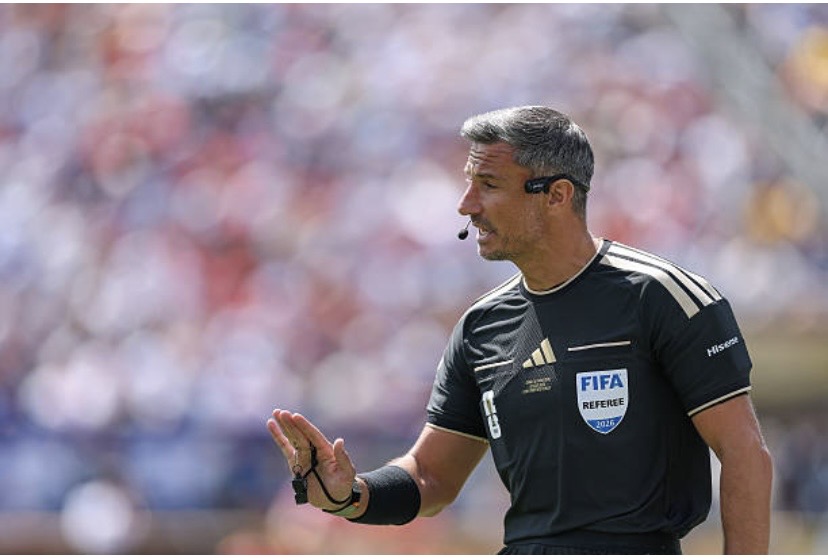
Vinčić, who became the first Slovenian referee to officiate a FIFA World Cup final, entered the match with an outstanding international reputation. Having previously handled UEFA Champions League fixtures and major international tournaments, FIFA entrusted him with football’s biggest stage after a series of strong performances throughout the competition.
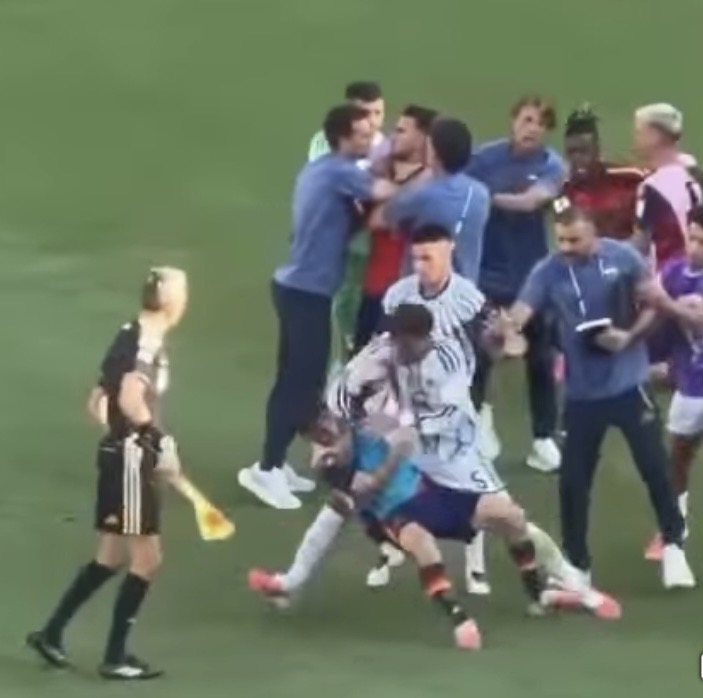
Despite that confidence, the final quickly became controversial. Several robust challenges went unpunished during the opening stages, leading television pundits and former players to question whether the referee had established enough control over the contest. One of the most discussed incidents came when Argentina escaped an early yellow card following a heavy challenge on a Spanish player, prompting criticism from analysts who believed stricter action should have been taken.
As the match progressed, emotions continued to rise. Every major decision was scrutinized by millions watching around the world, including foul calls, disciplinary decisions and VAR interventions. While some supporters believed Vinčić allowed the game to flow appropriately, others argued that his consistency throughout the contest left much to be desired.
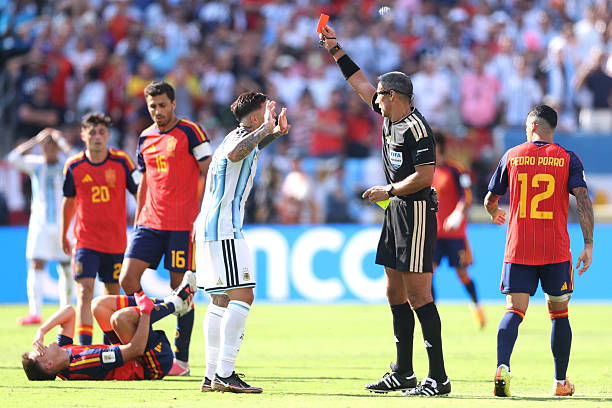
Late in the game, Argentina’s frustrations boiled over when Enzo Fernández received a red card, leaving the defending champions with ten men during a crucial period of extra time. FIFA’s VAR protocols were followed during the incident, and the dismissal stood after review.
Spain eventually secured a dramatic 1-0 victory thanks to Ferran Torres’ extra-time winner, lifting their second FIFA World Cup trophy after an outstanding tournament campaign. Luis de la Fuente’s side finished the competition having conceded only one goal throughout the tournament while producing some of the most consistent football of the championship.
Following the final, discussion quickly shifted from the result to the officiating. Fans flooded social media with clips of contentious moments, while football analysts debated whether earlier disciplinary action could have changed the tone of the game. Such debates are common after major finals, particularly when emotions remain high following a closely contested match.
Importantly, despite widespread discussion and criticism from some pundits and supporters, FIFA has not announced that Vinčić will face disciplinary action or acknowledged that his performance was below standard. The organization appointed him after extensive evaluation by the FIFA Referees Committee and has not issued any official statement suggesting his decisions in the final were incorrect.
For now, the focus remains on Spain’s achievement rather than any official review of the officiating. While debate over refereeing decisions is likely to continue among fans and media, there is currently no verified evidence that FIFA has taken action against Slavko Vinčić or released an urgent statement criticizing his performance after the World Cup final


 Ejima hassan
 newzechoblog
 Haruna Onimisi