
Aberdeen were left absolutely furious moments after their 1-0 defeat to Rangers at Pittodrie, with the controversial decision to rule out Kevin Nisbet’s equaliser becoming the biggest talking point of a dramatic afternoon in the Scottish Premiership.

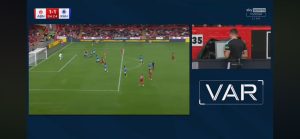
The Dons believed they had rescued a deserved point when Nisbet found the back of the net after Rangers goalkeeper Ivor Pandur had made important saves to keep his side ahead. However, celebrations were cut short when VAR intervened and the goal was eventually disallowed.
The decision immediately sparked anger around Pittodrie, with Aberdeen players questioning the call and supporters expressing their frustration. According to reports, the goal was ruled out after officials judged that Nisbet had committed a foul on Rangers defender Dujon Sterling in the build-up.
What made the incident even more controversial was the timing. Aberdeen were pushing desperately for an equaliser and believed Nisbet had finally delivered the moment they needed. Instead, the VAR review overturned what initially appeared to be a goal, leaving the home side empty handed.
Aberdeen manager Stephen Robinson was clearly unhappy with the situation after the match, although he stopped short of openly attacking the officials. Robinson explained that managers now have to be extremely careful when discussing refereeing decisions because of the potential disciplinary consequences.
“If I could give my thoughts, but the authorities make sure we don’t give our thoughts,” Robinson said, according to the Press and Journal. He added that he could not control what VAR considered to be sufficient force in one incident compared with another.
Those comments have only increased the debate surrounding the decision.
There is currently no evidence that Rangers influenced the referee or VAR officials, and Aberdeen have not established any wrongdoing by the Glasgow club. However, the circumstances have inevitably led to intense discussion among supporters, particularly because Rangers were ultimately the beneficiaries of the decision.
The match itself was already full of controversy before the late drama. Rangers were awarded a second half penalty after Djeidi Gassama went down following a challenge involving Aberdeen defender Dan Happe. Lawrence Shankland stepped up and confidently converted from the spot to give Rangers the lead.
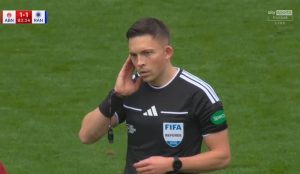
Aberdeen then pushed forward in search of an equaliser and thought they had found it through Nisbet. But after a lengthy VAR check, the goal was overturned.
For Aberdeen supporters, the frustration is understandable. Their team had worked extremely hard throughout the contest, and the disallowed goal represented a huge opportunity to take something from a match they felt could have gone either way.
The controversy has also reignited wider arguments about consistency in Scottish refereeing and VAR. Aberdeen’s official social media account reacted to the decision with a sarcastic post questioning whether Rangers were once again benefiting from refereeing fortune.
That reaction demonstrates just how heated the atmosphere became immediately after the decision.
However, the focus should remain on whether the correct laws were applied rather than on unproven allegations of wrongdoing. The Scottish FA’s disciplinary rules specifically warn clubs and officials against publicly accusing match officials of bias or incompetence, which explains Robinson’s reluctance to speak too strongly after the game.
For Rangers, the controversy will matter far less than the result. Derek McInnes secured his first Scottish Premiership victory of the campaign against his former club, with Shankland’s penalty proving decisive.
The victory also gives Rangers a much needed boost following their disappointing European exit and a difficult start to the domestic campaign.
For Aberdeen, however, the defeat leaves them asking difficult questions. They will believe the match could have ended very differently had Nisbet’s goal been allowed to stand.
The biggest issue now is whether further clarification will emerge regarding the VAR decision. Aberdeen supporters will want to know exactly what the officials saw, why the challenge on Sterling was considered sufficient to overturn the goal and whether the same standard would be applied in similar incidents involving other teams.
What began as a fiercely contested match has therefore ended with another major Scottish football refereeing debate.
Aberdeen have every right to demand clarity over the decision, while Rangers will argue that they simply benefited from a ruling made by the officials.
Until a detailed explanation is provided, the controversy surrounding Nisbet’s disallowed goal is unlikely to disappear anytime soon. One thing is certain: Aberdeen’s frustration has turned a narrow Rangers victory into one of the most talked about matches of the weekend.