
English football is a ruthless arena where high stakes tactical duels, razor thin margins, and explosive refereeing controversies ignite endless fiery debates among supporters across the globe. When a fiercely contested Premier League fixture ends in high drama, the footballing world dissects every single disputed incident with a fine tooth comb.
For devoted fans who live and breathe every agonizing moment of their team’s campaign, a controversial penalty decision can feel like a direct dagger to the heart, turning a hard fought tactical battle into a bitter pill to swallow.
The intense atmosphere surrounding contentious officiating calls creates an electrifying narrative that dominates sports talk radio and social media feeds for days on end, proving that the drama in modern football extends far beyond the regular ninety minutes.
The tense encounter between Sunderland and Chelsea delivered an enthralling showcase of physical battles, tactical organization, and unyielding intensity as both sides fought tooth and nail for every single blade of grass.
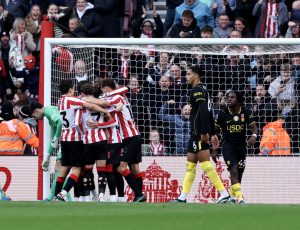
From the very first blow of the referee’s whistle, the tempo was blistering, with players sliding into crunching tackles and competing fiercely for second balls across a rain soaked pitch. Every single duel carried massive weight, and the tension inside the stadium reached a fever pitch as the two teams traded blow for blow in a relentless tactical war.
Yet, just as the match hung delicately in the balance and both squads looked poised to share the spoils, a single contentious moment inside the penalty area completely altered the course of the game and plunged the visiting bench into absolute fury.
The absolute turning point of the entire post match narrative and the sensational revelation every football fan has been waiting for arrived precisely, when Chelsea boss Xabi Alonso stepped up to the microphone and unleashed a scathing post match rant, offering a detailed tactical analysis arguing that the decisive penalty against his side should never have stood.
Alonso dissected the sequence frame by frame, pointing out that minimal contact and exaggerated theatricals from the attacker preceded the whistle, insisting that modern officiating standards are losing all consistency when soft challenges are rewarded with match winning spot kicks.
A visibly seething Alonso argued that his defenders held their position legally and that allowing such a soft penalty to decide a high profile Premier League clash sets a dangerous precedent for the rest of the season.
The explosive managerial outburst immediately sent social media platforms and sports talk channels into total meltdown, triggering a massive viral debate across football fan forums nationwide. Pundits, former referees, and millions of supporters fiercely debated whether the contact warranted a penalty or if the referee fell victim to the deafening home crowd pressure inside the stadium.
When a world class coach like Alonso uses his post match media duties to deliver an unfiltered technical breakdown of why a officiating decision was fundamentally flawed, it transforms a standard post match grievance into a fascinating study of high pressure refereeing and managerial accountability at the elite level.
As the dust settles on this unforgettable Premier League encounter, the psychological impact of this disputed penalty and the subsequent managerial fallout will undoubtedly linger throughout the Chelsea dressing room. Players sacrifice an incredible amount of physical and mental energy behind closed doors, often watching months of meticulous tactical preparation get completely upended by a single controversial whistle.
Navigating these turbulent waters requires immense resilience, proving that squad depth and mental fortitude are just as important as technical brilliance in the modern era of professional football.
Ultimately, football remains a magnificent sport driven by human error, emotional intensity, and unforgettable moments of controversy. The ongoing debate surrounding penalty box thresholds and refereeing consistency highlights just how difficult it is to officiate the world’s most popular game under intense scrutiny.
Whether future matches see stricter VAR interventions or greater leniency toward physical contact, one thing is absolute: the fallout from this officiating decision will be debated long after the season reaches its dramatic conclusion.