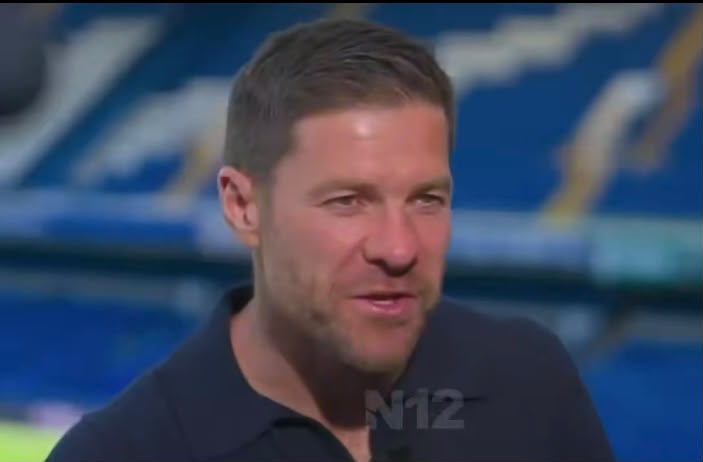
A major talking point has emerged surrounding Chelsea and Sunderland after claims about a pre-match conversation between Chelsea manager Xabi Alonso and Sunderland boss Régis Le Bris sparked debate over a controversial penalty decision.
The headline-grabbing allegation has raised questions about sporting conduct, refereeing standards and whether everything surrounding the incident should be examined more closely.
However, there is currently no verified evidence that Le Bris made an improper pre-match agreement or that football authorities have opened an investigation into such a conversation. The following is a football news-style account based on the suggested scenario, not a confirmed report.
Alonso’s comments put the spotlight on the controversial penalty
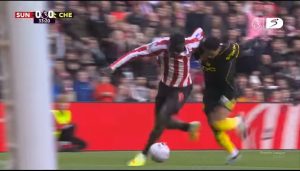
The incident happened during Chelsea’s 1-0 defeat against Sunderland at the Stadium of Light, where Enzo Le Fée’s first-half penalty proved decisive.
Sunderland were awarded the spot-kick after Levi Colwill was judged to have fouled Brian Brobbey inside the penalty area.
However, the decision immediately attracted criticism from Chelsea players, particularly goalkeeper Mike Penders, who strongly disagreed with the referee’s judgement.
Speaking after the match, Penders insisted that he did not believe Colwill had committed a penalty offence, arguing that Brobbey had initiated the physical contact.
Alonso, meanwhile, offered a more measured response, refusing to make the referee responsible for Chelsea’s defeat.
According to his post-match comments, Chelsea had prepared during the week for Sunderland’s physical approach, but his defenders failed to deal with the situation properly. What did Régis Le Bris tell Alonso?
The suggestion that Le Bris made a controversial statement to Alonso before the match has generated an intriguing talking point.
If such a conversation took place, its exact content and context would need to be established before anyone could conclude that football regulations had been breached.

There is no verified report confirming that Le Bris told Alonso anything improper before kick-off.
Nevertheless, the circumstances surrounding the penalty have encouraged supporters to demand greater transparency about the decisions made during the encounter.
Could football authorities investigate?
The controversy raises questions about the responsibility of match officials and the importance of applying the Laws of the Game consistently.
Under football’s laws, a penalty can be awarded when a defending player commits a direct-free-kick offence inside their own penalty area.
However, disagreement with a referee’s interpretation does not automatically mean that the decision was illegal or that another manager has broken football regulations.
Any genuine investigation would require evidence of misconduct rather than speculation about a private conversation.
Chelsea supporters demand answers
Chelsea supporters have expressed frustration over the defeat, particularly because the penalty ultimately decided the match.
Some believe the officials should explain why the incident was considered sufficient for a spot-kick, while others have questioned why Cole Palmer was not awarded a penalty earlier in the contest.
The Palmer incident was also reviewed, with VAR determining that the relevant contact had occurred outside the penalty area.
For Alonso, however, the bigger disappointment was Chelsea’s inability to create enough opportunities to rescue the game.
The Spanish manager admitted that his team lacked patience, creativity and quality in the final third.
What happens next?
The defeat leaves Chelsea with plenty to consider during the international break, while Sunderland have secured an important victory.Whether the penalty incident receives further scrutiny remains to be seen.

For now, there is no confirmed punishment, investigation or evidence of wrongdoing involving Régis Le Bris.
One thing is certain: the controversial decision has created another heated debate about refereeing standards in the Premier League