Category: Uncategorized

  • Leeds 1–1 Brentford Chaos After FullTime Brentford Star Explosive Clash With Leeds Coach  Now Bring FA BAN and Huge Fine

    Leeds 1–1 Brentford Chaos After FullTime Brentford Star Explosive Clash With Leeds Coach Now Bring FA BAN and Huge Fine

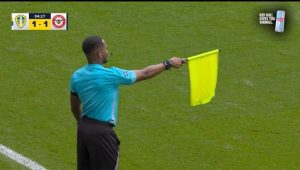
    Leeds United and Brentford produced an entertaining 1–1 draw at Elland Road, but the football was not the only thing that had fans talking. While the official match ended with the two teams sharing the points, an alleged confrontation between a Brentford star and a Leeds coach has created a dramatic storyline that, if proven, could attract the attention of the Football Association.

    The match itself had already delivered plenty of drama.

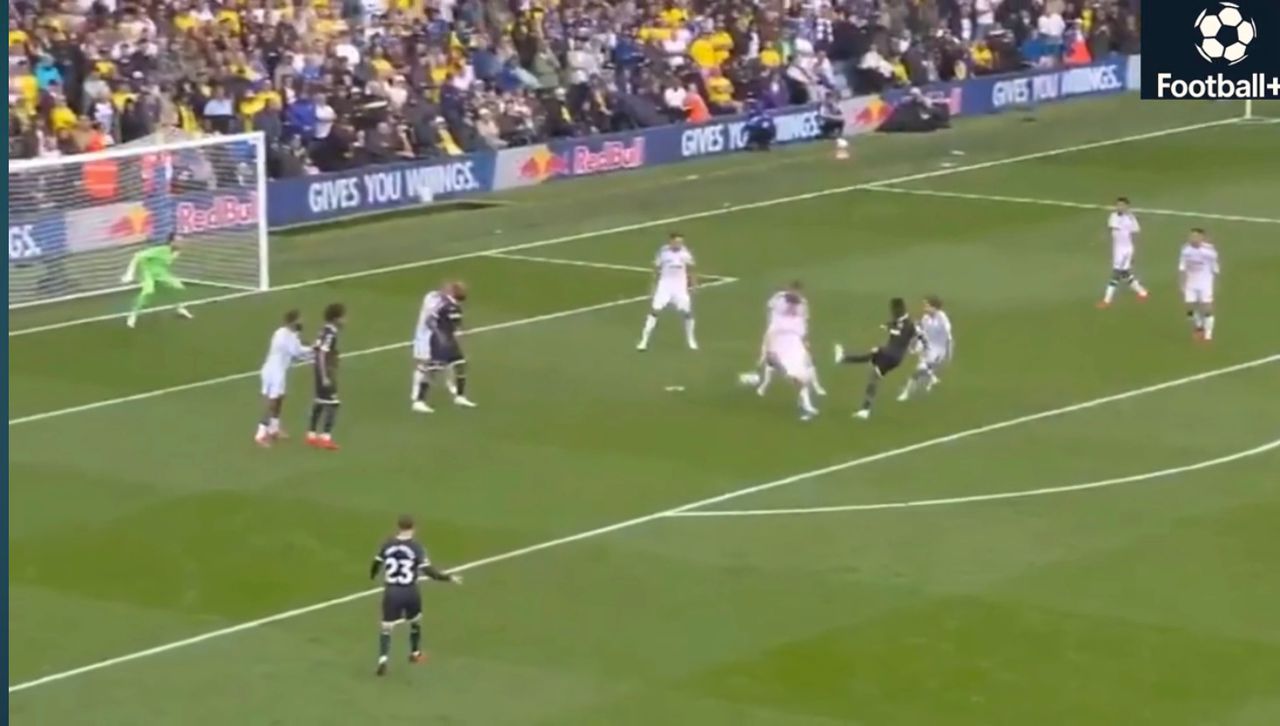
    Brentford looked the stronger side for much of the first half and eventually got their reward through Kevin Schade. The Brentford forward opened the scoring in the 41st minute after a dangerous delivery from Keane Lewis-Potter found him in a promising position. Schade made no mistake, giving the visitors a deserved advantage before the break. (Sky Sports⁠)

    Leeds, however, refused to disappear.

    Daniel Farke made important changes at half-time as his team attempted to turn the game around. The tactical adjustments worked, with Leeds becoming much more dangerous as the second half progressed.

    Brentford continued to create opportunities, but Leeds gradually increased the pressure.

    Then came the moment that changed everything.

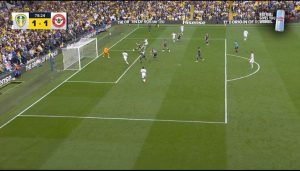
    With just over ten minutes remaining, Leeds finally found their equaliser. Ethan Ampadu delivered a dangerous ball across the face of goal, Lukas Nmecha got involved, and Dominic Calvert-Lewin was in the right place at the right time to finish from close range.

    Elland Road erupted.
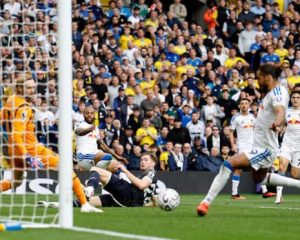
    The goal gave Leeds fresh belief, and the hosts pushed forward looking for a winner. Brentford goalkeeper Caoimhín Kelleher was forced into action, while James Trafford also produced an important late save to prevent Brentford from immediately reclaiming the lead. (Leeds United⁠)

    Eventually, the referee blew the final whistle.

    Leeds 1–1 Brentford.

    On the pitch, it was a fair reflection of a match in which Brentford had enjoyed long periods of dominance but Leeds showed tremendous character to fight back.

    But imagine if the biggest story had actually happened after that whistle.

    According to the dramatic storyline surrounding the match, tensions allegedly spilled over between a Brentford player and a member of the Leeds coaching staff. What began as a heated exchange supposedly became more intense, with players and staff forced to intervene.

    That is where the situation could become serious.

    If the Football Association were to establish that abusive, threatening or improper conduct had taken place, disciplinary action could potentially follow. Depending on the evidence and the specific regulations involved, sanctions could range from a fine or suspension to further disciplinary measures.

    For the player involved, the consequences could be significant.

    A suspension would mean missing important Premier League matches at a time when Brentford are trying to build momentum. The Bees had started the season impressively, including a 3–0 victory over Tottenham, before being held by Leeds. The draw left both clubs on four points from their opening two league matches. (Sky Sports⁠)

    For Leeds, the controversy would also raise questions about what happened behind the scenes.

    Why did the confrontation allegedly become so heated?

    What exactly was said?

    And was there something that happened during the match that carried over into the tunnel after the final whistle?

    Those are the questions that would dominate the conversation if an official investigation were opened.

    However, it is important to separate the confirmed match facts from the dramatic speculation. There is currently no reliable evidence in the match reports I found confirming that the FA has banned a Brentford player, fined him, or punished a Leeds coach over an incident after this match.

    What is confirmed is already dramatic enough.

    Brentford led through Schade, Leeds fought back through Calvert-Lewin, and both teams walked away with a point. Brentford recorded 22 shots compared with Leeds’ 12 according to Sky Sports, showing just how much pressure the visitors created before Leeds’ late comeback. (Sky Sports⁠)

    And that may be the real twist.

    A match that looked like Brentford’s to win ended with Leeds celebrating a valuable point.

    Now, if the alleged confrontation were ever confirmed and the FA became involved, the football world would suddenly have another story to follow.

    Would the Brentford star face a suspension?

    Could a major fine follow?

    Would the Leeds coach also be investigated?

    For now, those questions remain unanswered.

    But one thing is certain: Leeds 1–1 Brentford was far more than just another Premier League draw.
  • Rangers Face Major Squad Clear Out After Conference League Humiliation As Three Players Could Be Frozen Out

    Rangers Face Major Squad Clear Out After Conference League Humiliation As Three Players Could Be Frozen Out

    Rangers are facing a major squad reshuffle following their humiliating European exit, with the pressure now firmly on manager Derek McInnes and the players who failed to deliver when the club needed them most.

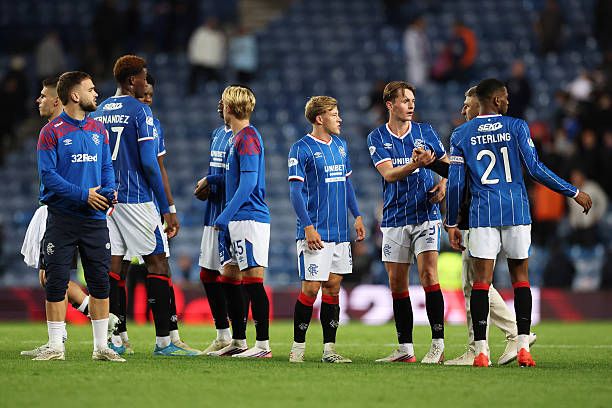
    The Ibrox side suffered a painful defeat to Czech outfit Jablonec in the UEFA Conference League play off, losing the tie 4 3 on penalties after the second leg finished 1 1 on aggregate. The result means Rangers will not participate in the league stage of any European competition this season, a situation that has created enormous disappointment among supporters.

    McInnes made no attempt to hide his frustration after the match. The Rangers boss described the performance as embarrassing and admitted that his team had been miles short of the required standard. His comments have inevitably raised questions about whether some members of the current squad still have a future at Ibrox.

    Although there has been no confirmed official Rangers statement publicly declaring that exactly three players will never play for the club again, the situation surrounding several individuals has become increasingly significant.

    One of the biggest names being discussed is Nico Raskin. The Belgian midfielder was notably absent from the Rangers squad for the crucial European tie amid continuing speculation about his future. Reports have linked him with interest from clubs in Turkey and elsewhere, while former Rangers figures have questioned why such an important player was unavailable for a match of such magnitude.

    Raskin’s situation has become one of the major talking points around the club. McInnes has indicated that there was no concrete offer on the table at the time, but speculation over a possible departure continues. If the player is ultimately sold, Rangers could use the money to reshape a squad that has already shown serious weaknesses during the opening weeks of the campaign.

    Another player whose future could come under scrutiny is Ross McCausland. Reports suggest Rangers are willing to consider an exit for the winger, with his departure increasingly viewed as a possibility before the transfer window closes.

    The third situation concerns the wider group of players who have struggled to convince since the beginning of the campaign. Rangers invested heavily during the summer, but the early results have been disappointing. The club has already spent significant money attempting to strengthen the squad, including the move for striker Kevin Kelsy from Portland Timbers. The Venezuelan forward arrived in a deal worth around £9.5 million, with additional clauses potentially increasing the overall package.

    That investment makes the European failure even more painful. Rangers entered the Conference League play off knowing that reaching the league stage would provide valuable competitive football and important revenue. Instead, the defeat to Jablonec leaves the club with no European football and increases the pressure on everyone involved.

    The consequences could therefore extend beyond one disappointing result.

    McInnes now has to decide which players can be trusted to lead the club forward and which ones may need to be moved on. The manager has already shown that he is willing to make changes, and the club’s recruitment activity suggests that Rangers are attempting to build a different attacking profile.

    Supporters will understandably demand accountability after such a damaging European exit. Rangers were expected to overcome Jablonec after taking a 1 0 advantage from the first leg, but they failed to protect that advantage and eventually collapsed in the penalty shootout.

    The pressure is now enormous.

    The next few days could therefore be crucial at Ibrox. Rangers must decide whether to give underperforming players another opportunity or accelerate the rebuilding process. If certain players are unable to meet McInnes’s expectations, departures could become inevitable.

    For now, however, claims that Rangers have officially named three players who will never play again should not be confused with confirmed club information. What is beyond doubt is that the Conference League humiliation has intensified scrutiny of the squad, and major changes could be coming before the transfer window closes.

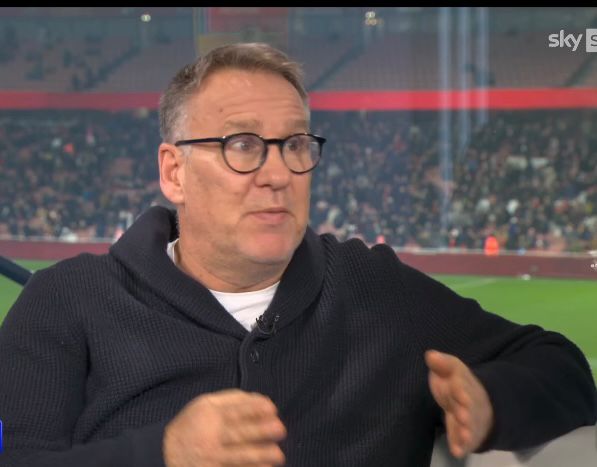
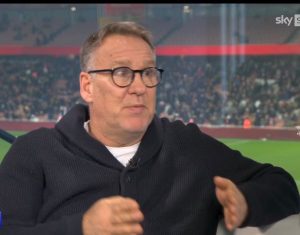
  • Paul merson delivers all time rant on Calvert-Lewin goal  following Leeds vs Brentford match what he said sparked media reaction

    Paul merson delivers all time rant on Calvert-Lewin goal following Leeds vs Brentford match what he said sparked media reaction

    Paul Merson has once again found himself at the centre of a growing football debate after offering a strong assessment of Dominic Calvert-Lewin’s late equaliser in Leeds United’s 1-1 draw with Brentford at Elland Road.

    The match produced plenty of talking points, but it was Calvert-Lewin’s 79th-minute goal that quickly became one of the biggest subjects of discussion. Brentford had been in control for long periods and deservedly led through Kevin Schade, but Leeds refused to accept defeat and eventually found a way back into the contest.

    Calvert-Lewin reacted quickest inside the Brentford penalty area after Lukas Nmecha’s involvement in the build-up, finishing from close range to make it 1-1. The goal changed the atmosphere inside Elland Road and gave Leeds a point from a match in which they had struggled for long periods.

    According to the match reports, Brentford dominated much of the first half before Daniel Farke changed his system after the interval. Leeds became more dangerous, introduced fresh attacking options and eventually produced the moment that allowed Calvert-Lewin to level the score.

    That is where the Merson debate comes in.

    The former Arsenal midfielder has previously been highly critical and highly complimentary of Leeds depending on the circumstances, and his recent comments about their performances have already attracted attention. Following Leeds’ victory over Nottingham Forest earlier in August, Merson warned supporters not to get carried away, arguing that the performance itself was not outstanding despite the result.

    His broader assessment of Leeds has therefore made his reaction to the Brentford draw particularly interesting.

    The biggest question is whether Calvert-Lewin’s goal should be viewed simply as evidence of a striker doing exactly what a striker is supposed to do or whether Leeds should be concerned that they required a late close-range finish to rescue a match at home.

    There is certainly an argument for both sides.

    Calvert-Lewin did not have a dominant afternoon in terms of chances created. For much of the game he was isolated as Brentford defended effectively and controlled the midfield. Yet when the opportunity finally arrived, the Leeds forward was in the right position and made no mistake.

    That is an important quality for any striker.

    A forward can spend 80 minutes struggling to influence a match and still become the difference between defeat and a valuable point. Calvert-Lewin demonstrated precisely that against Brentford.

    Sky Sports described the goal as an “easiest of tap-ins” in its match coverage, while also highlighting Brentford’s impressive performance and Schade’s brilliant opening goal.

    That description is likely to fuel the debate surrounding the goal.

    Some supporters will argue that calling it a simple tap-in completely misses the point. Strikers have to anticipate where the ball will arrive, attack the correct space and remain alert when defenders switch off. Others will argue that Leeds should have created considerably more before that moment and that one simple finish should not disguise an underwhelming attacking display.

    The draw itself was significant because both Leeds and Brentford entered the match with perfect records after the opening weekend. The result left both sides unbeaten after two matches, with Brentford sitting on four points.

    For Leeds, the bigger positive was their response.

    They were behind, they were struggling to create clear chances and Brentford looked capable of holding on. Instead, Farke changed the tactical approach and Leeds eventually found the breakthrough.

    Calvert-Lewin was also presented with another opportunity late in the game, but Brentford goalkeeper Caoimhin Kelleher produced an excellent save to prevent Leeds from completing the comeback.

    That detail is important because it changes the interpretation of the match. Leeds were not simply lucky to score once. They finished strongly enough to threaten a winner.

    The media reaction has therefore focused on two contrasting narratives: Brentford’s impressive control for much of the game and Leeds’ ability to fight back when the match appeared to be slipping away.

    Merson’s reputation for outspoken analysis means any strong assessment of the situation is naturally going to attract attention. But regardless of how supporters interpret his position, one thing is clear: Calvert-Lewin’s goal has opened another debate about Leeds, their attacking identity and the role their experienced striker can play this season.

    For Leeds supporters, there is an obvious reason to be encouraged.

    A team capable of rescuing a point after being second best for large parts of a match possesses resilience. And a striker capable of appearing at exactly the right moment can become extremely valuable over the course of a long Premier League campaign.

    Calvert-Lewin may not have produced a spectacular goal.

    He did something arguably more important.

    He was there when Leeds needed him.

    And that simple fact has ensured that the discussion surrounding his equaliser, Merson’s analysis and Leeds’ performance will continue long after the final whistle at Elland Road.

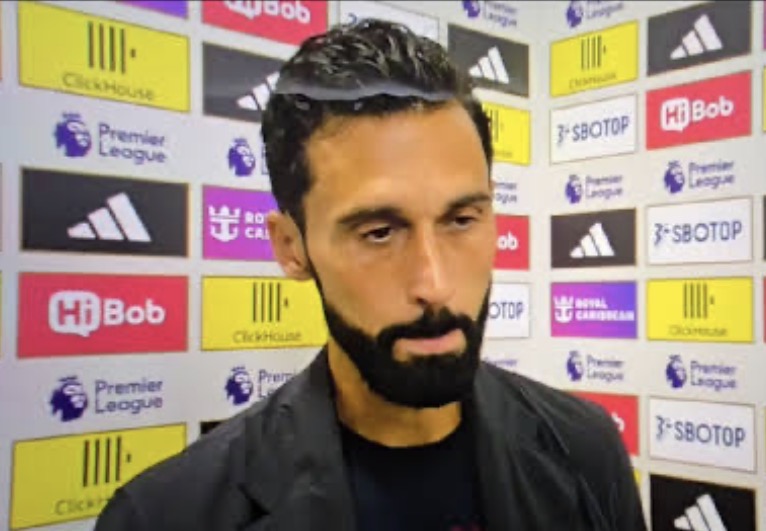
  • Give him his flowers! Fulham manager Álvaro Arbeloa praises underrated Sunderland star who was outstanding against Fulham

    Give him his flowers! Fulham manager Álvaro Arbeloa praises underrated Sunderland star who was outstanding against Fulham

    A tense, high stakes Premier League showdown at the Stadium of Light left both sides battling for supremacy, but the definitive post match talking point centered on an unexpected and classy gesture from the away dugout. Fresh off orchestrating his side’s tactical setup, Fulham manager Álvaro Arbeloa turned heads in his post match press conference by showering praise on one of Sunderland’s most unheralded assets, singling out the standout performer who completely disrupted the Cottagers’ rhythm throughout a fiercely contested afternoon.
    The fixture lived up to every ounce of its pre season billing, delivering end to end drama, tactical chess moves, and a flurry of intense midfield battles. Sunderland came out of the gates with relentless energy, stunning the traveling Fulham contingent by seizing control of the tempo in the opening exchanges. While Fulham gradually found their footing through patient build up play and experienced positional rotations, the Black Cats’ defensive block and lightning fast transitions kept Arbeloa’s side on high alert. At the heart of that resilient display was an absolute masterclass from a player who rarely commands the back page headlines but proved indispensable, winning crucial 50-50 duels, breaking up play, and orchestrating counter attacks with ice cold precision.
    Arbeloa didn’t hold back in his post match assessment, pausing to explicitly urge pundits, fans, and football purists alike to “give him his flowers” for a performance that went far beyond the basic numbers on a statistics sheet. The Spanish manager highlighted how the underrated star’s relentless work rate, defensive discipline, and tactical intelligence completely neutralized key threats in Fulham’s central areas. For Sunderland, going toe to toe with an ambitious Premier League side validates their hard fought standing, proving that their squad depth and unsung heroes can step up on the grandest stages when it matters most.
    The influence of Sunderland’s defense was anchored entirely by Nordi Mukiele, whose commanding performance ultimately dominated Álvaro Arbeloa’s post match reflections. Operating with supreme composure and defensive authority, Mukiele completely shut down Fulham’s attacking channels, winning crucial aerial duels and launching swift counter attacks from the back. His ability to read the game under intense pressure made him an unplayable figure for large stretches of the afternoon, frustrating Fulham’s frontline and giving his teammates the defensive security needed to push forward with confidence.
    Expanding on his glowing assessment, Arbeloa dropped a subtle hint that could cause a stir in upcoming transfer windows, noting that players with that specific blend of grit, technical ability, and big game temperament naturally capture the attention of elite scouting networks. The Fulham boss conceded that talents capable of disrupting a match like Mukiele did are rare commodities in modern football.

    Beyond his assessment of the players on the pitch, Álvaro Arbeloa took a moment during his post-match press conference to heap high praise on the passionate Sunderland supporters, acknowledging the intimidating and hostile environment generated at the Stadium of Light. The Fulham manager noted that playing away in such a fervent atmosphere presents a unique psychological test for any visiting side in the Premier League. He highlighted how the home crowd’s relentless backing for their team from the first whistle to the last acted as an unofficial twelfth man, driving the players through periods of intense pressure and creating a true cauldron of English football passion that left a lasting impression on the Spanish coach.

    As the dust settles on a compelling Premier League battle, the plaudits coming from a manager of Arbeloa’s stature serve as the ultimate validation of a player operating at the peak of his powers, leaving everyone wondering how far Sunderland’s unsung hero can take them this season.

  • Premier League Responds to Paul Merson Claims After Leeds United 1–1 Brentford Draw

    Premier League Responds to Paul Merson Claims After Leeds United 1–1 Brentford Draw

    The Premier League has been placed under renewed scrutiny following Leeds United’s 1–1 draw with Brentford at Elland Road, with attention turning to comments attributed to Sky Sports pundit Paul Merson after the final whistle.

    The match produced a dramatic second half as Leeds recovered from a difficult opening period to secure a point through Dominic Calvert-Lewin. Kevin Schade had given Brentford the lead before Leeds fought back, leaving both teams unbeaten after the opening two league matches of the campaign.

    Merson’s post match assessment has generated discussion among supporters, particularly around Leeds’ performance, Daniel Farke’s tactical decisions and the wider standards expected in the Premier League.

    However, despite suggestions circulating online that the league had issued a major response to the former Arsenal midfielder’s comments, there is currently no verified Premier League statement publicly confirming such a response. That distinction is important because claims involving an official league statement can quickly spread across social media before the details have been independently established.

    What is not in dispute is that Leeds endured a difficult first half.

    Brentford were comfortably the stronger side before the interval, controlling large periods of possession and repeatedly exposing problems in Leeds’ defensive structure. James Trafford was forced into several important saves, including efforts involving Schade and Igor Thiago, as the visitors threatened to take control of the contest.

    Eventually, Brentford got the breakthrough.

    Schade produced a clever finish after Keane Lewis Potter supplied the cross, giving the visitors a deserved advantage shortly before half time. Leeds had struggled to build attacks and frequently resorted to long passes towards Calvert Lewin, who found it difficult to influence the game against Brentford’s defence.

    That first half performance is likely to have been central to Merson’s criticism.

    But Farke demonstrated why tactical flexibility can be so important during a Premier League match. Leeds changed their shape after the break, moving towards a 4 2 3 1 formation and immediately looking more comfortable in midfield.

    The difference was obvious.

    Ao Tanaka and Lukas Nmecha, introduced from the bench, helped transform the home side. Leeds began moving the ball with greater purpose, attacking Brentford with more intensity and forcing the visitors deeper.

    The pressure eventually produced an equaliser.

    Nmecha played a crucial role in the move before Calvert Lewin finished from close range with 11 minutes remaining. The goal changed the atmosphere inside Elland Road and gave Leeds renewed belief that they could complete the comeback.

    Although Leeds could not find a winner, the final result was considered a fair reflection of a match that effectively contained two different stories.

    Brentford dominated the first half, while Leeds were significantly better after the interval.

    That is where the debate surrounding Merson becomes particularly interesting. If his criticism focused on Leeds’ first half display, there was certainly evidence to support concerns about their inability to cope with Brentford’s pressure. But if the argument was that Leeds showed no tactical response, the second half provided a strong counterargument.

    Farke changed the system, his substitutes influenced the contest and Leeds eventually rescued a point.

    For supporters, the bigger question is whether the draw represents a missed opportunity or a positive result against a Brentford side that impressed during the opening stages.

    Brentford had already made a statement by dismantling Tottenham on the opening weekend, while Leeds had secured an important victory away at Nottingham Forest. Both teams therefore entered the encounter with confidence, and neither has lost after two matches.

    The result also leaves Leeds with plenty to analyse.

    Their first half performance cannot simply be ignored, particularly against stronger opposition. At the same time, their second half response demonstrated resilience and showed that Farke has options capable of changing matches from the bench.

    For now, the biggest development is not an alleged Premier League confrontation with Merson, but the conversation his comments have helped generate around Leeds.

    Until the league itself publishes a verified statement, supporters should treat claims of an official response cautiously.

    What remains certain is that Leeds recovered from a troubling first half, Calvert Lewin rescued a point and Farke’s tactical changes played a major role in preventing defeat.

    The 1–1 draw may ultimately prove to be less about controversy and more about a valuable early season lesson: Leeds still have work to do, but they have already shown they possess the character to fight back when things go against them.

  • Just Minutes After the Match, Aberdeen Hit Back at Rangers Following Huge VAR Controversy as Kevin Nisbet Goal Is Denied

    Just Minutes After the Match, Aberdeen Hit Back at Rangers Following Huge VAR Controversy as Kevin Nisbet Goal Is Denied

    Aberdeen were left absolutely furious moments after their 1-0 defeat to Rangers at Pittodrie, with the controversial decision to rule out Kevin Nisbet’s equaliser becoming the biggest talking point of a dramatic afternoon in the Scottish Premiership.

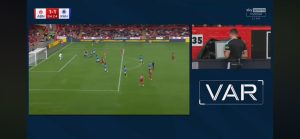
    The Dons believed they had rescued a deserved point when Nisbet found the back of the net after Rangers goalkeeper Ivor Pandur had made important saves to keep his side ahead. However, celebrations were cut short when VAR intervened and the goal was eventually disallowed.

    The decision immediately sparked anger around Pittodrie, with Aberdeen players questioning the call and supporters expressing their frustration. According to reports, the goal was ruled out after officials judged that Nisbet had committed a foul on Rangers defender Dujon Sterling in the build-up.

    What made the incident even more controversial was the timing. Aberdeen were pushing desperately for an equaliser and believed Nisbet had finally delivered the moment they needed. Instead, the VAR review overturned what initially appeared to be a goal, leaving the home side empty handed.

    Aberdeen manager Stephen Robinson was clearly unhappy with the situation after the match, although he stopped short of openly attacking the officials. Robinson explained that managers now have to be extremely careful when discussing refereeing decisions because of the potential disciplinary consequences.

    “If I could give my thoughts, but the authorities make sure we don’t give our thoughts,” Robinson said, according to the Press and Journal. He added that he could not control what VAR considered to be sufficient force in one incident compared with another.

    Those comments have only increased the debate surrounding the decision.

    There is currently no evidence that Rangers influenced the referee or VAR officials, and Aberdeen have not established any wrongdoing by the Glasgow club. However, the circumstances have inevitably led to intense discussion among supporters, particularly because Rangers were ultimately the beneficiaries of the decision.

    The match itself was already full of controversy before the late drama. Rangers were awarded a second half penalty after Djeidi Gassama went down following a challenge involving Aberdeen defender Dan Happe. Lawrence Shankland stepped up and confidently converted from the spot to give Rangers the lead.

    Aberdeen then pushed forward in search of an equaliser and thought they had found it through Nisbet. But after a lengthy VAR check, the goal was overturned.

    For Aberdeen supporters, the frustration is understandable. Their team had worked extremely hard throughout the contest, and the disallowed goal represented a huge opportunity to take something from a match they felt could have gone either way.

    The controversy has also reignited wider arguments about consistency in Scottish refereeing and VAR. Aberdeen’s official social media account reacted to the decision with a sarcastic post questioning whether Rangers were once again benefiting from refereeing fortune.

    That reaction demonstrates just how heated the atmosphere became immediately after the decision.

    However, the focus should remain on whether the correct laws were applied rather than on unproven allegations of wrongdoing. The Scottish FA’s disciplinary rules specifically warn clubs and officials against publicly accusing match officials of bias or incompetence, which explains Robinson’s reluctance to speak too strongly after the game.

    For Rangers, the controversy will matter far less than the result. Derek McInnes secured his first Scottish Premiership victory of the campaign against his former club, with Shankland’s penalty proving decisive.

    The victory also gives Rangers a much needed boost following their disappointing European exit and a difficult start to the domestic campaign.

    For Aberdeen, however, the defeat leaves them asking difficult questions. They will believe the match could have ended very differently had Nisbet’s goal been allowed to stand.

    The biggest issue now is whether further clarification will emerge regarding the VAR decision. Aberdeen supporters will want to know exactly what the officials saw, why the challenge on Sterling was considered sufficient to overturn the goal and whether the same standard would be applied in similar incidents involving other teams.

    What began as a fiercely contested match has therefore ended with another major Scottish football refereeing debate.

    Aberdeen have every right to demand clarity over the decision, while Rangers will argue that they simply benefited from a ruling made by the officials.

    Until a detailed explanation is provided, the controversy surrounding Nisbet’s disallowed goal is unlikely to disappear anytime soon. One thing is certain: Aberdeen’s frustration has turned a narrow Rangers victory into one of the most talked about matches of the weekend.

  • Aberdeen Captain Kevin Nisbet Dismantles Scottish Officiating in Must Watch Rant After Controversial Goal Against Rangers Is Disallowed

    Aberdeen Captain Kevin Nisbet Dismantles Scottish Officiating in Must Watch Rant After Controversial Goal Against Rangers Is Disallowed

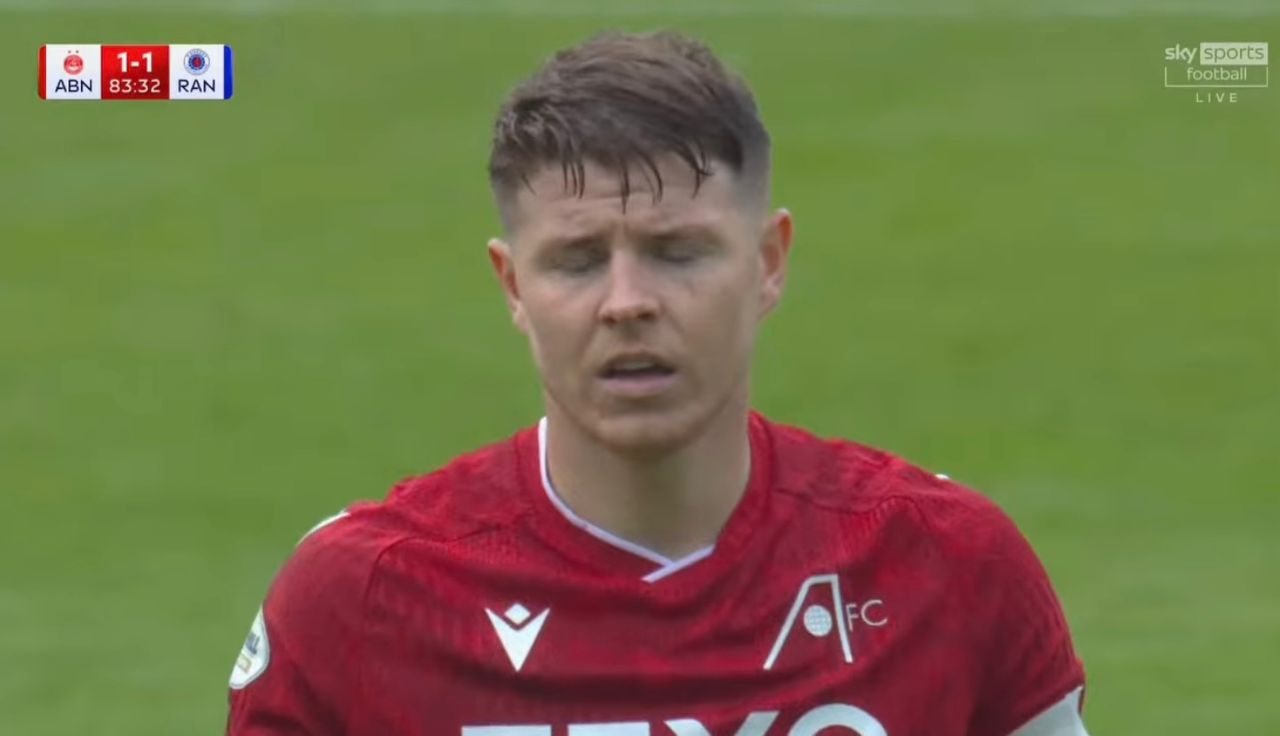
    Aberdeen captain Kevin Nisbet was at the centre of one of the most heated moments of the afternoon as frustration boiled over following the Dons’ controversial 1-0 defeat to Rangers at Pittodrie.

    The Aberdeen striker thought he had rescued a point for his side when he found the back of the net late in the second half, only for VAR to intervene and the goal to be ruled out. The decision immediately sparked anger around the stadium, with Aberdeen players surrounding the officials and supporters making their feelings known.

    Rangers eventually held on for a crucial victory after Lawrence Shankland converted from the penalty spot in the 69th minute. However, the result was overshadowed by the late controversy involving Nisbet and Rangers defender Dujon Sterling.

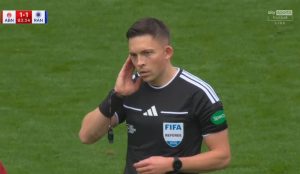
    According to the official explanation reported after the match, Nisbet was judged to have pushed Sterling during the build-up before eventually scoring. Referee Matthew MacDermid reviewed the incident following a VAR intervention from Andrew Dallas and subsequently disallowed the equaliser.

    For Nisbet, however, the decision was clearly difficult to accept.

    The Aberdeen captain had already been frustrated earlier in the second half when he went down inside the Rangers penalty area and appealed for a foul. His appeal was rejected, leaving the forward visibly frustrated as Aberdeen continued searching for a way back into the match.

    Then came the moment that appeared to change everything.

    Nisbet initially forced a save from Rangers goalkeeper Ivor Pandur before Aberdeen continued the attack. After further pressure, the ball eventually came back into the danger area and Nisbet managed to put it into the net.

    Pittodrie erupted.

    For a few seconds, Aberdeen supporters believed their captain had produced the moment that would earn them a deserved point. Instead, the referee was instructed to review the incident, and the goal was eventually cancelled.

    Sky Sports confirmed that the equaliser was ruled out because of a foul on Sterling in the build-up.

    The decision transformed the atmosphere inside the stadium.

    What had been celebration quickly became fury, and Nisbet was among those most visibly frustrated. The Aberdeen captain’s reaction reflected the feelings of a team that believed it had finally found a way through after spending much of the match battling against Rangers.

    The controversy was particularly painful because the decision came so late in the game. Aberdeen had little time remaining to find another equaliser, meaning the VAR intervention effectively ended their hopes of taking anything from the match.

    The result also means Rangers secured their first Scottish Premiership victory of the season under Derek McInnes, while Aberdeen were left wondering what might have happened had Nisbet’s goal been allowed to stand.

    There is no evidence that the officiating was corrupt, but the incident has undoubtedly intensified the debate surrounding Scottish refereeing and VAR. Aberdeen supporters were left questioning the consistency of decisions, particularly given the importance of the moment.

    That is where Nisbet’s reaction becomes significant.

    As captain, he was expected to represent the frustration of his teammates, and the striker did exactly that. His anger was not simply about losing a football match. It was about believing that Aberdeen had been denied an opportunity to change the outcome.

    The match itself had already been extremely physical, with nine yellow cards issued during the contest. That contributed to an increasingly tense atmosphere as both teams battled for control.

    Rangers eventually celebrated three points, but Aberdeen left the pitch feeling they had been involved in a match dominated by controversial decisions.

    For Nisbet, the incident will likely remain one of the most frustrating moments of his season.

    The Aberdeen captain had done what strikers are expected to do: react quickly, stay alive inside the penalty area and put the ball into the net.

    But instead of celebrating a late equaliser, he was left watching the referee point to the screen and eventually overturn the goal.

    That is why the incident has generated so much discussion.

    The debate is no longer simply about whether Nisbet committed a foul. It is about how much intervention VAR should have in moments like this, how consistently similar incidents are judged and whether supporters can have confidence in the process.

    For Aberdeen, the answer came at a heavy cost.

    They lost 1-0.

    Nisbet’s goal disappeared from the scoreboard.

    And the controversy surrounding the decision may continue long after the final whistle.

    One thing is certain: the Aberdeen captain was not prepared to quietly accept what he believed was an incredibly harsh decision, and his furious reaction has added another chapter to the increasingly intense debate over Scottish officiating and VAR.

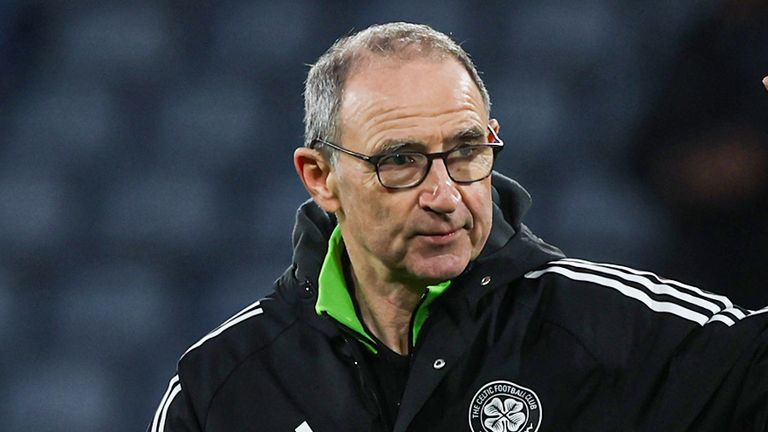
  • Celtic Beat Falkirk 2:1  But What Happened Between a Falkirk Star and Martin O’Neill After the Final Whistle

    Celtic Beat Falkirk 2:1 But What Happened Between a Falkirk Star and Martin O’Neill After the Final Whistle

    Celtic may have walked away with all three points, but their 2–1 victory over Falkirk at Celtic Park was far more dramatic than the scoreline suggests.
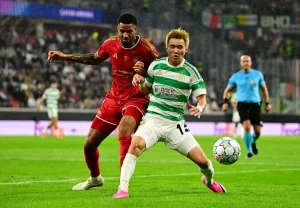
    For Martin O’Neill and his Celtic players, this was supposed to be a response. Just days earlier, Celtic had suffered a painful European disappointment against LASK, throwing away a commanding advantage and leaving supporters furious and frustrated.

    But against Falkirk, Celtic had the perfect opportunity to change the mood.

    And for much of the afternoon, they did exactly that.

    The star of the show was Camilo Durán.

    The Celtic forward struck twice in the first half, putting the hosts firmly in control and giving the home supporters something to celebrate. His first goal came after Falkirk goalkeeper Scott Bain made a costly mistake, allowing Durán to punish the visitors early. (The Scottish Sun⁠)

    Durán then added his second before the half-hour mark, giving Celtic a 2–0 advantage.

    At that moment, it looked as though O’Neill’s side were heading toward a comfortable afternoon.

    But Falkirk refused to disappear.

    The visitors continued to compete and eventually found a way back into the match. Celtic defender Colby Donovan inadvertently turned the ball into his own net in the second half, reducing the deficit to 2–1 and suddenly changing the atmosphere inside Celtic Park.

    What had looked like a routine Celtic victory suddenly became a nervous finish.

    Falkirk pushed forward looking for an equaliser, while Celtic had to defend their narrow advantage.

    The final whistle eventually arrived, confirming Celtic’s third consecutive league victory and keeping their perfect domestic start alive.

    But the most interesting part of the afternoon was not simply the scoreline.

    It was the tension surrounding the match.

    Supporters had arrived at Celtic Park with plenty to say after the European collapse, and there had already been visible frustration directed toward the club’s board and the team’s recent European performances. (The Scottish Sun⁠)

    That made the victory particularly important for O’Neill.

    After the match, the Celtic manager admitted that the positive reception from supporters was somewhat unexpected, but he welcomed it. He also acknowledged the physical and psychological challenge his players faced following the disappointment in Europe

    And that is where the story becomes even more intriguing.

    Online, fans may be tempted to turn the post-match tension into a confrontation between a Falkirk player and O’Neill. However, there is currently no reliable evidence that an actual fight took place.

    What can be established is that the match itself was highly competitive and that Falkirk made Celtic work extremely hard for the victory.

    Falkirk manager John McGlynn was clearly frustrated by the result, particularly after his team had managed to stay in the contest and threaten Celtic late on. His post-match comments focused on the performance and the circumstances surrounding Celtic’s second goal rather than any physical confrontation with O’Neill. (Yahoo Sports⁠)

    That distinction matters.

    A heated football moment can easily become exaggerated online, especially when supporters are already emotionally invested in a dramatic match.

    What we do know is that Celtic survived a late Falkirk scare, O’Neill secured another league victory, and Durán emerged as the match-winner.

    The victory also gave Celtic something they desperately needed: momentum.

    After the disappointment against LASK, there were questions about the team’s mentality and whether they could immediately respond domestically.

    Against Falkirk, they answered at least some of those questions.

    Durán’s two goals provided the attacking spark. Haissem Hassan impressed on his first start, while Celtic showed enough resilience to protect their advantage when Falkirk pushed for an equaliser. (Celtic Shorts⁠)

    Still, the narrow scoreline also exposed weaknesses.

    Celtic had opportunities to put the game beyond Falkirk’s reach, but they failed to take them. Once the own goal brought Falkirk back into the match, the final stages became unnecessarily uncomfortable.

    For O’Neill, that will be something to address.

    For Falkirk, there were positives despite the defeat. They showed enough character to keep fighting after falling two goals behind and nearly turned the match into a dramatic finish.

    So, was there really a fight between a Falkirk star and Martin O’Neill after the final whistle?

    At this stage, the evidence does not support that claim.

    But one thing is certain: the atmosphere surrounding Celtic remains intense.

    The European disappointment, supporter frustration, O’Neill’s response, and the narrow victory over Falkirk have created a fascinating storyline around the club.
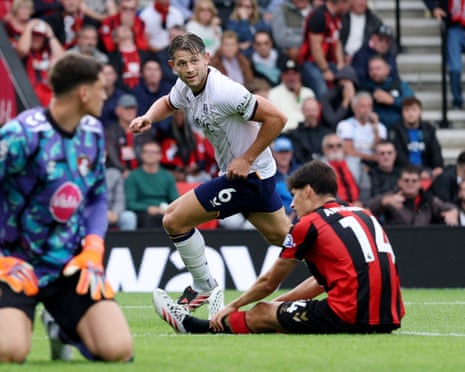
    Celtic got the result they wanted.

    Falkirk left empty-handed.

    Durán left with the headlines.

    And Martin O’Neill left with three valuable points — but also plenty of questions to answer as Celtic’s season continues.

  • I Didnt Expect Him to Say That Bournemouth Star’s Post-Match Comments Leave Everton Coach Facing Questions

    I Didnt Expect Him to Say That Bournemouth Star’s Post-Match Comments Leave Everton Coach Facing Questions

    The final whistle had barely been blown, but the conversation surrounding the Bournemouth and Everton clash was already moving beyond the result.
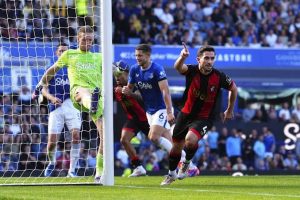
    Instead of focusing only on what happened during the 90 minutes, attention quickly turned toward the reaction that followed. One Bournemouth star became the center of attention after speaking about the match, and his post-match assessment has left supporters wondering whether there is more to the story than what happened on the pitch.

    The result may have been the headline, but the comments afterward created another storyline.

    For Everton, the match was always going to be a demanding test. Bournemouth have players capable of causing problems in different areas of the pitch, and Everton needed to remain disciplined if they wanted to control the contest.

    But once the game was over, the questions began.

    What did Bournemouth’s standout player really think about Everton’s performance?

    Was he impressed by the way Everton approached the game?

    Did he believe Everton made tactical mistakes?

    And, most importantly, were his comments indirectly putting pressure on the Everton coach?

    That is what has made the post-match discussion so interesting.

    Players are often careful when speaking to the media after a difficult match. They usually avoid creating unnecessary controversy, especially when discussing an opponent or another team’s manager.
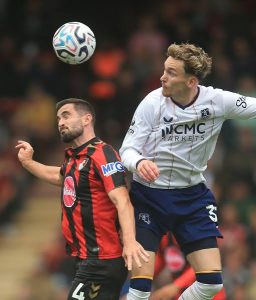
    However, when a player gives an honest assessment of what he experienced during a game, even a carefully worded response can generate plenty of attention.

    The Bournemouth star’s reaction has therefore become one of the biggest talking points surrounding the fixture.

    From Bournemouth’s perspective, the performance will be judged on much more than one moment. Their key players had to deal with Everton’s pressure, compete for possession and make important decisions whenever opportunities appeared.

    The standout player was expected to play an important role, and his performance naturally attracted attention.

    But it was what happened after the game that changed the conversation.

    His comments appeared to raise questions about Everton’s approach and the decisions made during the match. That does not necessarily mean the Bournemouth player was directly criticizing the Everton coach, but his assessment has given supporters plenty to debate.

    And football fans know exactly how quickly these discussions can grow.

    One comment can lead to another question.

    One question can create a completely different narrative.

    Suddenly, the focus moves from the players on the pitch to the manager on the touchline.

    For the Everton coach, that creates an uncomfortable situation.

    Managers are ultimately responsible for tactical decisions, substitutions, formations and how their teams respond when the momentum changes.

    If the result does not go according to plan, those decisions will inevitably be examined.

    Everton supporters will want to know whether the team followed the manager’s instructions effectively. They will also want to know whether changes could have been made earlier or whether a different tactical approach might have produced a better result.

    The Bournemouth star’s comments have added another layer to those questions.

    But there is another side to the story.

    From Bournemouth’s perspective, the player may simply have been explaining how he saw the match. Players are entitled to give their assessment, and not every post-match comment should automatically be interpreted as an attack on an opposing manager.

    That distinction is important.

    Nevertheless, the timing of the comments has made them particularly interesting.

    The match had just ended. Emotions were still high. Both teams had experienced the intensity of the contest, and supporters were eager to hear what the players thought.

    That is why the interview immediately attracted attention.

    For Bournemouth fans, the comments can be viewed as another sign of confidence from a player who is willing to discuss the game openly.

    For Everton supporters, however, they may raise uncomfortable questions.

    Was Everton’s approach too cautious?

    Did Bournemouth identify weaknesses that Everton failed to correct?

    Could the game have been managed differently?

    And does the Everton coach now need to provide answers?

    Those are the questions that will continue to dominate the conversation.

    But perhaps the biggest question is whether this post-match discussion will have any impact beyond today’s headlines.

    Football moves quickly.

    Managers cannot spend too long thinking about one result because another fixture is always waiting. Players must recover, analyze their performances and prepare for the next challenge.
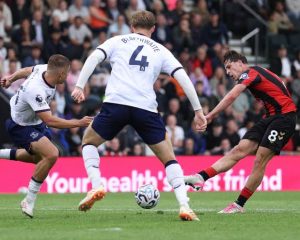
    For Everton, the priority will be learning from whatever went wrong.

    For Bournemouth, it will be about building on the positives and maintaining momentum.

    Yet the interview will remain an interesting part of the story because it gives fans something to debate.

    The Bournemouth star did not need to make a sensational accusation to create headlines. Sometimes, a simple assessment of a match can be enough to make supporters look at the game differently.

    And that is exactly what has happened here.

    The final whistle may have ended the match, but it did not end the discussion.

    Now the spotlight has shifted toward the Everton coach and the decisions that shaped the game.

    Was there something Everton could have done differently?

    Did Bournemouth expose a weakness?

    Or are fans simply reading too much into a player’s post-match assessment?

    Only time will tell.

    One thing, however, is certain: the Bournemouth star’s comments have given football fans another reason to talk about this clash long after the final whistle.

    And if the Everton coach is asked about those comments in the coming days, supporters will be watching closely to see exactly how he responds.

  • Newcastle United Player Stuns Everyone by Liking “Time to Go” Post After Liverpool £86m Offer for the Genius

    Newcastle United Player Stuns Everyone by Liking “Time to Go” Post After Liverpool £86m Offer for the Genius

    Newcastle United supporters have been left stunned by a social media development involving one of the club’s most highly rated players, after he reportedly liked a post suggesting that it could be “time to go” amid speculation linking him with a huge move to Liverpool.

    The development has immediately sparked debate among Newcastle fans, particularly because Liverpool have been linked with major attacking and creative targets during a summer of significant change at Anfield.

    The reported £86 million figure has only added fuel to the fire. If such an offer were to materialise, it would represent a huge statement of intent from Liverpool and potentially put Newcastle in a difficult position over one of their prized assets.

    However, the alleged social media interaction should be treated carefully. There has been no official confirmation from Newcastle United that the player has asked to leave, nor has the club publicly confirmed an £86 million Liverpool bid for him.

    That has not stopped supporters from drawing their own conclusions.

    The timing is particularly intriguing. Newcastle and Liverpool have already been involved in a dramatic start to the new Premier League campaign, with the two sides playing out a thrilling 2-2 draw at St James’ Park. Liverpool eventually rescued a point through Dominik Szoboszlai’s stoppage-time penalty.

    The match also highlighted just how much both clubs have changed.

    Newcastle are operating under Matthias Jaissle after the departure of Eddie Howe, while Liverpool have begun a new era under Andoni Iraola. Both clubs have also experienced major changes to their squads during the summer transfer window.

    Liverpool have been particularly aggressive in the market. The Reds have already completed several significant deals, including the signing of Victor Muñoz after hijacking Newcastle’s pursuit of the Spanish winger. Liverpool also expressed a willingness to pay around £86 million for RB Leipzig winger Yan Diomande earlier in the summer, although that figure related to a different player and should not be confused with the latest Newcastle speculation.

    That distinction is important because social media can quickly turn separate transfer stories into one enormous rumour.

    Nevertheless, the idea of Liverpool making a major offer for a Newcastle star is enough to make supporters nervous.

    Newcastle have already watched important players leave this summer. Sandro Tonali completed a permanent move to Tottenham, while Bruno Guimaraes also departed for Arsenal. The club are therefore under pressure to maintain a competitive squad while continuing to build for the future.

    Selling another key player would be a major decision.

    For Liverpool, meanwhile, adding another elite talent would fit the club’s ambitious approach under Iraola. The Reds have already demonstrated that they are willing to spend heavily when they identify a player they believe can transform the squad.

    The reported “time to go” like, if genuine, would therefore create a fascinating situation.

    A social media like does not automatically mean a player wants to leave. Footballers regularly interact with posts without intending to send a transfer message, and screenshots can also circulate without sufficient context.

    But supporters understand why this particular interaction has attracted so much attention.

    When an expensive transfer rumour is already circulating, even a small social media action can become headline news.

    Newcastle will be determined to avoid unnecessary disruption. Jaissle is still building his team, and the early signs suggest that there is considerable potential within the squad. Newcastle produced an impressive performance against Liverpool despite ultimately surrendering their lead in stoppage time.

    Their 2-0 victory over Tottenham a week later, meanwhile, showed that the team can respond positively and continue progressing under their new manager.

    That makes the possibility of losing another important player even more complicated.

    For now, Newcastle supporters will be hoping the “time to go” story is nothing more than social media noise. Unless Liverpool formally submit an offer and the player himself makes his position clear, there is no basis for saying that a transfer is imminent.

    But if an £86 million proposal really does arrive, Newcastle will have an enormous decision to make.

    Do they keep their star and send a message that their best players are not for sale?

    Or do they accept a life-changing fee and use the money to reshape the squad?

    For supporters, the biggest concern is no longer simply the transfer rumour itself. It is the possibility that the player’s reported social media activity could indicate that he is at least considering his future.

    And that is why one simple “like” has suddenly become one of the biggest talking points surrounding Newcastle United.