Category: Uncategorized

  • Andrew Robertson Publicly Disgraced Scottish Football Legend Who Criticized Him Over His Leadership, Scotland Captain Delivers Brutal Response in Post Match Interview

    Andrew Robertson Publicly Disgraced Scottish Football Legend Who Criticized Him Over His Leadership, Scotland Captain Delivers Brutal Response in Post Match Interview

    Emotions are running at an absolute fever pitch within the Scottish football community following a disastrous night that saw the national team slump to a heavy 3-0 defeat.

    For a passionate fanbase that demands total commitment every time the dark blue shirt is pulled on, the performance was nothing short of a catastrophe.

    Questions are being asked across the country about the direction of the team, the tactical setup, and crucially, the leadership on and off the pitch during moments of severe crisis.
    When a heavy defeat happens on this scale, the spotlight inevitably swings straight to the captain.

    Scotland skipper Andrew Robertson has long been hailed as the heartbeat and talisman of this generation, leading his country through historic qualification campaigns and wearing his heart on his sleeve.

    However, the heavy reversal has brought underlying tensions to the surface, sparking a fierce debate among pundits, former players, and supporters alike over whether the squad’s leadership group possesses the necessary edge to drag the team out of its current slump.

    The friction reached a boiling point in the wake of the full time whistle when Scottish football icon Ally McCoist publicly weighed in on the team’s struggles, aiming a sharp critique directly at the captain by claiming that Robertson has “lost his touch” and no longer commands the undisputed authority required to steer the national side through stormy waters.

    Confronted by reporters in the flash interview zone about McCoist’s biting remarks and the mounting pressure surrounding his leadership, Robertson did not mince words. Delivering a brutally direct response, the Scotland captain fired back:
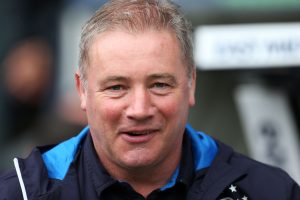
    “Everyone is entitled to their opinion from the safety of a TV studio or a pundit’s chair, but opinions don’t win football matches or fix what happened out there tonight. If people want to question my leadership or say I’ve lost my touch because of a tough ninety minutes, they can go right ahead.

    I’ve carried this badge through thick and thin, and my focus isn’t on what legends say when things go wrong it’s on fixing this team for the people who actually support us through the pain.” It is a fiery, unapologetic stance that has instantly polarized opinion across the nation.

    Deepening his reflections on leadership and national duty, Andrew Robertson took a moment to address the deeper emotional reality of wearing the armband, emphasizing that his total commitment to the country has never wavered despite the intense scrutiny.

    “I am immensely proud every single time I pull on that jersey and walk out as captain of this national team,” Robertson expressed during an introspective moment in the aftermath of the match. “People only see what happens on the pitch for ninety minutes, but they don’t always see the unseen hours, the physical toll, and the massive personal sacrifices you have to make behind the scenes just to keep performing at the elite level for your country.

    Throughout my career, I’ve given everything I have my body, my time, and my absolute all because representing Scotland means everything to me, my family, and every fan who travels across Europe to back us.

    We’ve shared some incredible highs and endured some painful lows together, but my pride in leading this group of boys has never faded for a single second, and I will always put my heart and soul on the line for this badge, no matter the storm.”

    For some, Robertson’s defensive defiance shows the kind of stubborn pride and thick skin a captain needs during a crisis. For others, taking aim at a revered national treasure like McCoist crosses a line, only serving to escalate a civil war between current players and the punditry class.
    As the dust settles on another bruising international window, the pressure on the dressing room has never been higher.

    Whether this public friction serves as a unifying spark or deepens the cracks within the camp remains to be seen, but one thing is certain: the road ahead requires immediate answers, and the captain’s armband has never felt heavier.
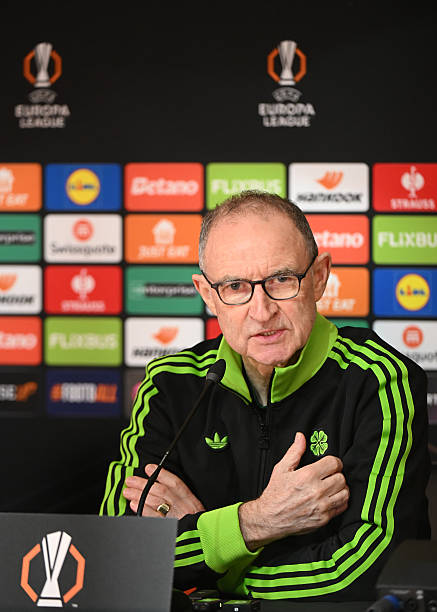
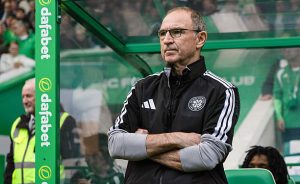
  • 74-YEAR-OLD MARTIN O’NEILL FINALLY BREAKS SILENCE ON SACK SPECULATION: IN HIS WORDS, HE PROMISED TO BE A WORLD CHAMPION WITH CELTIC BEFORE RETIREMENT AND MADE OTHER HIGHLY PROMISING COMMITMENTS IF GIVEN TIME

    74-YEAR-OLD MARTIN O’NEILL FINALLY BREAKS SILENCE ON SACK SPECULATION: IN HIS WORDS, HE PROMISED TO BE A WORLD CHAMPION WITH CELTIC BEFORE RETIREMENT AND MADE OTHER HIGHLY PROMISING COMMITMENTS IF GIVEN TIME

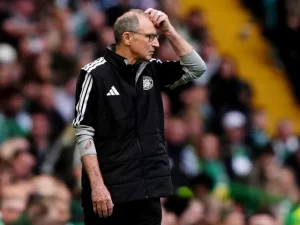
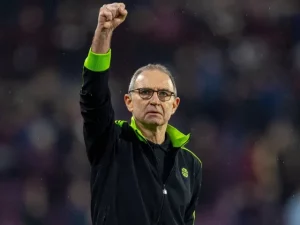
    Martin O’Neill’s future at Celtic has suddenly become one of the biggest talking points around Parkhead after a difficult run of results, with the 74-year-old manager now facing questions about whether he will continue in the role.

    The situation intensified following Celtic’s 1-0 defeat to Rangers at Parkhead on September 20, their third consecutive defeat in all competitions. That loss came shortly after a 3-1 Europa League defeat against Ferencvaros and another heavy defeat to Rangers in the League Cup.

    O’Neill himself admitted after the Rangers defeat that he needed to take time to reflect on his position. He said he would consider the situation during the international break, even joking about his age and suggesting that it might be time to “wrap it up.”

    Those comments immediately fuelled speculation about whether Celtic could be heading towards another managerial change.

    However, there is important context behind O’Neill’s current position. The experienced manager only returned to Celtic last season as an interim appointment after the club went through a turbulent period. His two spells in charge ultimately ended with Celtic winning the Scottish Premiership and Scottish Cup, leading the club to hand him a one-year contract with an option for another season in June 2026.

    When his permanent appointment was confirmed, O’Neill made it clear that winning the domestic double had increased his desire for more success.

    He spoke about wanting to experience “more days like those” with Celtic, signalling that he still had ambitions with the club despite his age.

    That ambition is now being tested.

    Celtic’s difficult European campaign has added to the pressure. The club suffered a dramatic Champions League qualifying collapse against LASK after holding a 4-0 aggregate advantage before eventually losing the tie 5-1 after extra time in Austria. O’Neill described the experience as one of his most painful moments at Celtic.

    The subsequent defeats to Rangers and Ferencvaros have only increased the scrutiny surrounding the manager.

    Yet Celtic’s hierarchy has now provided an important response to the speculation.

    Chief executive Michael Nicholson publicly backed O’Neill following the defeat to Rangers, indicating that the club intends to support the manager during this difficult period. Nicholson also highlighted O’Neill’s contribution in stabilising the club and his success in winning the domestic double last season.

    That backing means the immediate situation is not simply a story of Celtic preparing to dismiss their manager.

    Instead, there appears to be uncertainty surrounding O’Neill’s own thoughts about whether he wants to continue.

    His comments have created a fascinating situation because the manager has already demonstrated that he can deliver silverware at Celtic. His previous spell between 2000 and 2005 brought seven trophies, while his return last season produced another league and Scottish Cup double.

    For supporters, the central question is therefore not only whether O’Neill can turn the current situation around, but also whether he believes he still has the energy and desire to continue the challenge.

    At 74, O’Neill is one of the oldest managers currently operating at this level, but his age has not stopped him from taking on the pressure of leading Celtic. Earlier this season, he was still overseeing a team competing for domestic success and European qualification.

    The coming weeks could therefore be crucial.

    The international break provides O’Neill with time away from the immediate pressure of matchdays. Celtic are expected to use the period to regroup, while the manager considers his position and the team prepares for its return to competitive action.

    For now, there is no confirmed announcement that O’Neill has been sacked. In fact, the latest comments from Celtic’s chief executive point towards continued support for the manager.

    The bigger story, therefore, is O’Neill’s own uncertainty.

    Whether he decides to stay and attempt to rebuild momentum or ultimately concludes that his time at Celtic should come to an end remains to be seen.

    One thing is clear: the man who returned to Celtic after retirement and helped deliver another domestic double is not leaving quietly. His Celtic journey has already produced remarkable moments, and his latest chapter is now being played out under intense pressure.

    If O’Neill remains, supporters will be watching closely to see whether he can respond to the recent setbacks and restore the momentum that previously brought success.

    And if he does leave, his return will still be remembered for the extraordinary turnaround that produced league and Scottish Cup success.

    For now, though, Martin O’Neill is reflecting, Celtic are backing him, and the future remains the subject of intense speculation.

  • Ollie Watkins Finally Breaks Silence on Shocking Reason Behind Aston Villa Exit

    Ollie Watkins Finally Breaks Silence on Shocking Reason Behind Aston Villa Exit

    The footballing world was sent into a state of absolute shock late in the summer transfer window when talismanic striker Ollie Watkins closed the curtain on his illustrious six year career at Aston Villa to complete a blockbuster £50 million move to Saudi Pro League giants Al Hilal. For Villans supporters, the departure felt like the end of an era.

    After all, Watkins was not just another forward; he was the heartbeat of Unai Emery’s revolution, the man who spearheaded their historic charge, and a modern day legend who etched his name into club folklore by becoming their record Premier League goalscorer and helping capture European silverware.

    When the deal was finalized, emotional farewell statements flooded social media, with Watkins expressing his profound gratitude to the fans who chanted his name through every high and low at Villa Park.

    Yet, despite the warm words and the mutual respect shared between the player and the club, the underlying reasons for why a player at the absolute peak of his powers would choose to leave the Premier League for the Middle East remained a subject of intense speculation.

    Pundits debated, fans argued on forums, and many questioned whether the lure of a new chapter could truly outweigh a legacy built in England’s top flight.

    Now, breaking his silence in an exclusive and brutally honest interview, the England international has pulled back the curtain on the driving force behind the most seismic transfer of his career.

    Addressing the critics and the lingering questions head on, Watkins offered a perspective that cuts straight to the reality of modern professional sports, family security, and long term legacy:

    “I don’t want to work after I retire from football. Yes, I was earning enough at Villa, but this move will secure the future of the next generations of my family. I don’t want to lie: with this contract, even my grandchildren will be rich, so why not?”

    It is a statement refreshing in its raw transparency. In an industry where players often lean heavily on diplomatic clichés about “new challenges” and “sporting projects,” Watkins’ candid admission highlights the immense, generational weight professional footballers carry.

    The physical demands of playing at the elite level are relentless, and the window to capitalize on peak earning potential is notoriously short.

    By choosing to secure an extraordinary financial future in the Saudi Pro League, Watkins has opted to safeguard not just his own life after football, but the well being of his children and grandchildren for decades to come.

    The aftermath of his exit has triggered a massive transition at Villa Park, with Unai Emery and the recruitment team forced to accelerate plans to fill the monumental void left in their attack.

    Meanwhile, in Riyadh, Watkins has already begun making his presence felt on the pitch, seamlessly translating his trademark movement and lethal finishing into dazzling performances for Al Hilal.

    As the dust settles on one of the most talked-about transfers of the year, history will ultimately judge Watkins’ legacy by the goals he scored and the memories he created in Claret and Blue.

    Reflecting on his emotional departure from Villa Park, Watkins made it clear that his affection for Aston Villa and its supporters will remain untouched.

    During the interview, he took time to express profound gratitude for the unforgettable journey they shared, noting how the club helped elevate his career to heights he once only dreamed of.

    “My time at Villa was genuinely special, and I will always hold this club, the staff, and the amazing fans close to my heart,” Watkins shared, looking back on his years in Claret and Blue.

    “We achieved incredible things together, and walking out at Villa Park is something I will miss dearly. But in football, you have to be mindful of cycles and timing.

    I felt like I had given everything and reached a pinnacle, and this massive chapter came along at precisely the right moment in my career. It was the correct time to embrace a fresh challenge while leaving the club in a strong position.”

    But as his candid words make clear, the choice to pack his bags and head east was driven by a deep, protective instinct for his family’s future a human element that transcends the white lines of the football pitch.

  • Scottish FA Makes Decision on John Beaton After Controversial Celtic vs Rangers Refereeing Call

    Scottish FA Makes Decision on John Beaton After Controversial Celtic vs Rangers Refereeing Call

    Few fixtures in world football carry the raw, unfiltered intensity of an Old Firm derby, where every single whistle, tackle, and micro decision is scrutinized by millions.

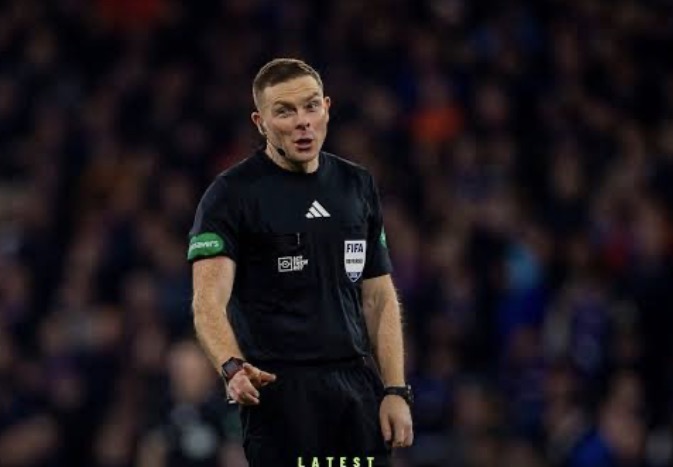
    When Celtic fell to a bruising 1-0 defeat against arch rivals Rangers at Parkhead, the post match autopsy was never going to focus solely on tactical failures or missed chances on the pitch. Instead, the entire footballing nation found itself consumed by another stormy chapter of refereeing controversy, with veteran official John Beaton positioned right at the red hot center of the storm.

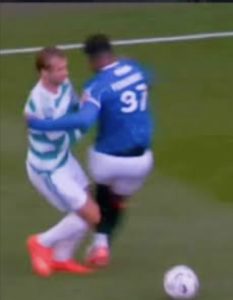
    The flashpoint in question arrived during a frantic first half when Rangers defender Emmanuel Fernandez already walking a tightrope after picking up an early yellow card in just the fourth minute for cynically hauling down Celtic’s sprinting forward crashed into midfielder Benjamin Nygren.

    To the utter disbelief of the home dugout, the players, and thousands of roaring supporters, Beaton waved play on, deciding against blowing for a foul or reaching into his pocket for what would have been a nailed on second yellow card and subsequent red.

    Pundits like Chris Sutton and former referees tore into the decision on commentary and analysis shows, arguing that Rangers had miraculously escaped down to ten men and that the match’s entire trajectory had been illicitly altered.

    Amidst the furious outcry and demands for accountability from furious supporters across Glasgow, the Scottish FA delivered its official decision regarding John Beaton’s performance and handling of the derby.

    Breaking its silence following days of intense pressure and emergency reviews by the governing body’s refereeing department, the SFA formally backed the official’s right to his on field judgment, confirming that no retrospective action or public sanction would be brought against Beaton.

    The hierarchy maintained that because the referee chose to interpret the physical challenge as a legal or non sanctionable coming together in real time, the Video Assistant Referee (VAR) system was strictly powerless to intervene, as protocols legally forbid technology from stepping in solely to recommend a second yellow card.
    Unsurprisingly, this ruling has done little to calm the boiling waters on either side of the Clyde.

    While neutral observers point out that Celtic’s own lack of cutting edge ultimately cost them the three points, the SFA’s steadfast defense of Beaton has only amplified conspiracy theories and deep seated institutional distrust among the green and white half of Glasgow.

    Fan forums and social media platforms erupted instantly following the announcement, with supporters arguing that referees continue to be shielded while clubs pay the price for pivotal errors.

    As the dust settles on another chaotic weekend that leaves Celtic licking their wounds during a tense international break, the fallout from Beaton’s derby decisions proves that the shadow of refereeing controversy in Scottish football stretches far beyond the final whistle.

    The SFA may have slammed the door shut on any official punishment, but the debate over consistency, competence, and fairness in high stakes matches will rage on long before a ball is kicked again.

    Few fixtures in world football carry the raw, unfiltered intensity of an Old Firm derby, where every single whistle, tackle, and micro decision is scrutinized by millions.

    When Celtic fell to a bruising 1-0 defeat against arch rivals Rangers at Parkhead, the post match autopsy was never going to focus solely on tactical failures or missed chances on the pitch.

    Instead, the entire footballing nation found itself consumed by another stormy chapter of refereeing controversy, with veteran official John Beaton positioned right at the red hot center of the storm.

    The flashpoint in question arrived during a frantic first half when Rangers defender Emmanuel Fernandez already walking a tightrope after picking up an early yellow card in just the fourth minute for cynically hauling down Celtic’s sprinting forward crashed into midfielder Benjamin Nygren.

    To the utter disbelief of the home dugout, the players, and thousands of roaring supporters, Beaton waved play on, deciding against blowing for a foul or reaching into his pocket for what would have been a nailed-on second yellow card and subsequent red.

    Pundits like Chris Sutton and former referees tore into the decision on commentary and analysis shows, arguing that Rangers had miraculously escaped down to ten men and that the match’s entire trajectory had been illicitly altered.

    Amidst the furious outcry and demands for accountability from furious supporters across Glasgow, the Scottish FA delivered its official decision regarding John Beaton’s performance and handling of the derby.

    Breaking its silence following days of intense pressure and emergency reviews by the governing body’s refereeing department, the SFA formally backed the official’s right to his on field judgment, confirming that no retrospective action or public sanction would be brought against Beaton.

    The hierarchy maintained that because the referee chose to interpret the physical challenge as a legal or non sanctionable coming together in real time, the Video Assistant Referee (VAR) system was strictly powerless to intervene, as protocols legally forbid technology from stepping in solely to recommend a second yellow card.

    Unsurprisingly, this ruling has done little to calm the boiling waters on either side of the Clyde.

    While neutral observers point out that Celtic’s own lack of cutting edge ultimately cost them the three points, the SFA’s steadfast defense of Beaton has only amplified conspiracy theories and deep seated institutional distrust among the green and white half of Glasgow.

    Fan forums and social media platforms erupted instantly following the announcement, with supporters arguing that referees continue to be shielded while clubs pay the price for pivotal errors.

    As the dust settles on another chaotic weekend that leaves Celtic licking their wounds during a tense international break, the fallout from Beaton’s derby decisions proves that the shadow of refereeing controversy in Scottish football stretches far beyond the final whistle.

    The SFA may have slammed the door shut on any official punishment, but the debate over consistency, competence, and fairness in high stakes matches will rage on long before a ball is kicked again.

  • Man City Manager Enzo Maresca Launches Furious Attack on Brian Brobbey Over Disrespectful Comments After 5-3 Sunderland Defeat

    Man City Manager Enzo Maresca Launches Furious Attack on Brian Brobbey Over Disrespectful Comments After 5-3 Sunderland Defeat

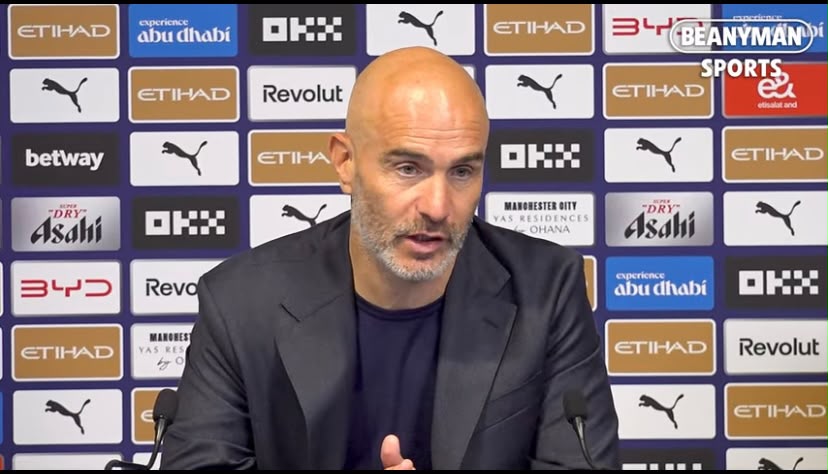
    Manchester City manager Enzo Maresca has reportedly launched a furious response to Brian Brobbey after the Sunderland star allegedly made controversial comments following his side’s dramatic 5-3 defeat against City.

    The fictional post-match drama quickly became one of the biggest talking points surrounding the match, with Brobbey’s interview attracting widespread attention after he appeared to question Manchester City’s attitude during the encounter.

    City had produced an extraordinary attacking display to claim a 5-3 victory in a match filled with goals, mistakes, controversy and late drama. However, despite the result, attention quickly shifted away from the scoreline when Brobbey delivered his post-match assessment.

    The Sunderland forward reportedly suggested that City had shown a lack of respect toward Sunderland during certain moments of the match.

    Those comments were enough to provoke a strong response from Maresca.

    Speaking to reporters after the game, Maresca was portrayed as visibly frustrated when asked about Brobbey’s interview. The manager reportedly insisted that his players had done nothing wrong and questioned why their celebrations and competitive attitude had been interpreted as disrespect.

    “Football is competition,” Maresca reportedly said. “When you are playing against Manchester City, you cannot expect us to stop competing simply because the game becomes difficult.”

    The fictional manager continued by suggesting that Brobbey should concentrate on his own team’s performance rather than making accusations against City.

    According to the storyline, Maresca was particularly unhappy with what he considered disrespectful remarks about his players.

    “You can say whatever you want after the game, but you have to respect the players who worked for the result,” he reportedly added. “We scored five goals because we played football. It is not disrespect.”

    The comments immediately created another layer of controversy around an already dramatic match.

    Sunderland had shown remarkable character despite falling behind, scoring three goals and repeatedly threatening to produce an extraordinary comeback. Brobbey was reportedly among the players who refused to surrender, helping Sunderland remain competitive deep into the second half.

    However, City eventually regained control and secured the 5-3 victory.

    The fictional report claims that Brobbey’s interview came shortly after the final whistle, with the striker expressing frustration about certain moments during the contest.

    His words allegedly spread rapidly across social media, with supporters debating whether the Sunderland forward had crossed the line or simply expressed his emotions after a painful defeat.

    Some supporters defended Brobbey, arguing that players should be allowed to speak honestly after difficult matches. Others believed that criticizing City after conceding five goals distracted from Sunderland’s own defensive problems.

    The controversy also reportedly divided television pundits.

    One group argued that Brobbey had every right to question City’s behaviour, while others insisted that Maresca was correct to defend his players against what he regarded as unfair criticism.

    Meanwhile, the fictional storyline suggests that the City dressing room remained focused on the victory rather than the controversy.

    Maresca reportedly reminded his players that football would always generate emotional reactions, particularly after high-scoring matches.

    The manager was also said to have praised City’s attacking players for maintaining their composure despite Sunderland repeatedly threatening to reduce the deficit.

    For Sunderland, however, the 5-3 defeat represented a frustrating evening.

    Scoring three goals away from home would normally provide plenty of positives, but conceding five meant the team’s attacking efforts ultimately failed to produce a result.

    Brobbey’s comments therefore became an unexpected secondary storyline.

    The fictional controversy is likely to continue attracting attention because it involves two strong personalities and a match packed with drama.

    For Maresca, the priority would reportedly be ensuring that his players remain focused rather than becoming distracted by comments made after the final whistle.

    For Brobbey, meanwhile, the challenge would be responding to the criticism while allowing his performances on the pitch to speak for themselves.

    What began as an entertaining 5-3 football match therefore became something considerably bigger in the fictional storyline: a post-match war of words involving Maresca, Brobbey and two teams unwilling to back down.

    The final whistle may have ended the match, but the argument surrounding it had only just begun.

  • Class Act After a Massive Win: Rangers Manager Derek McInnes Delivers High Praise for Underrated Celtic Star Who Stood Out in Old Firm Clash

    Class Act After a Massive Win: Rangers Manager Derek McInnes Delivers High Praise for Underrated Celtic Star Who Stood Out in Old Firm Clash

    Derby defeats in Scottish football are rarely greeted with magnanimity. The post match environment is usually a volatile landscape of referee complaints, tactical postmortems, and bitter recriminations.

    Yet, following a bruising Old Firm encounter at Celtic park where Rangers secured a hard fought 1-0 away victory, Gers manager Derek McInnes surprised the press room by casting aside tribal celebration to deliver a striking assessment of the opposition.

    In a move that caught many reporters off guard, the opposition boss stood up and publicly handed out his flowers to an underrated Celtic star who was outstanding against Rangers, admitting that his performance was nothing short of exceptional despite the result.

    While the historic 1-0 triumph on enemy turf was a monumental victory for the blue half of Glasgow as they asserted their dominance in the William Hill Premiership title race, McInnes refused to let the euphoria blind him to individual brilliance.

    Instead, the experienced manager zeroed in on the quiet resilience of a player who stood like a monolith at the back for Brendan Rodgers’ side, constantly extinguishing Rangers’ most dangerous attacking threats and keeping the scoreline tight right down to the final whistle.

    When asked to dissect how his side had to battle tooth and nail to break through and secure that crucial 1-0 win, McInnes didn’t hesitate to single out Celtic colossus Cameron Carter Vickers.

    The Rangers manager heaped praise on the American central defender, highlighting how his authoritative reading of the game, towering aerial challenges, and immaculate positional sense forced the Gers to work exponentially harder for every single opening.

    McInnes admitted that even as his side pushed for the decisive goal, Carter Vickers was a relentless obstacle, acting as an immovable anchor that kept Celtic in the fight throughout the ninety minutes.
    For Carter Vickers, receiving such unfiltered praise from a victorious manager of McInnes’ stature serves as the ultimate validation of his importance to the team.

    Often tasked with the dirtiest work in the backline mopping up danger, organizing the defensive structure, and initiating attacks from deep the central defender remains the unheralded heartbeat of Celtic’s squad.

    While the post match headlines naturally belonged to Rangers and their match winning heroics, McInnes’ candid remarks underline the reality that true defensive masterclasses transcend the final scoreline.

    His ability to stay utterly calm amidst the deafening chaos of an Old Firm derby showcases a maturity and elite temperament that commands respect even from the victors.

    As the dust settles on a momentous Glasgow derby that saw Rangers claim all three points on the road, the ripples of McInnes’ sportsmanship will be felt across the league.

    It is rare for a winning manager to offer such a transparent breakdown of a defeated opponent’s individual brilliance, but the sheer weight of Carter Vickers’ dominant defensive display left him with no other choice.

    Rangers manager Derek McInnes addressed the media with a mix of immense pride and tactical reflection. Speaking candidly in his post-match press conference, the Gers boss emphasized the sheer grit and discipline required to secure a massive result on enemy turf, praising his squad for executing their game plan under intense pressure.

    McInnes noted that winning matches of this magnitude in the William Hill Premiership demands complete concentration from the first whistle to the last.

    While acknowledging that his side had to weather significant spells of pressure, he highlighted the resilience shown by his players to grind out the crucial clean sheet and take home all three points.

    However, in a surprising turn, the Rangers manager also turned his attention to the opposition’s stellar individual displays, specifically singling out Celtic’s defensive colossus Cameron Carter Vickers. McInnes admitted that breaking down the American central defender’s resolute defending proved to be one of the afternoon’s toughest challenges, proving that top tier quality deserves recognition regardless of the final scoreline.

    Celtic supporters can take solace in knowing their defensive talisman is feared and respected even by their fiercest adversaries, proving that true footballing quality shines brightest even on the toughest afternoons.

  • VAR DRAMA ERUPTS AS FA QUERIES REFEREE Over Everton’s Disallowed Second Goal Against Ipswich as Shocking Evidence Emerges!

    VAR DRAMA ERUPTS AS FA QUERIES REFEREE Over Everton’s Disallowed Second Goal Against Ipswich as Shocking Evidence Emerges!

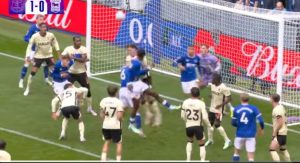
    Everton’s hard-fought 1-0 victory over Ipswich Town has been overshadowed by another major VAR controversy after Thierno Barry’s second goal was ruled out following a lengthy review.

    The Toffees secured all three points at the Hill Dickinson Stadium on Saturday, with Barry scoring Everton’s only goal of the afternoon. However, the victory could have been considerably more comfortable had his second-half header been allowed to stand.

    Barry appeared to have doubled Everton’s advantage shortly before the hour mark when he met Kiernan Dewsbury-Hall’s corner with a glancing header that found the far corner of the net.

    Celebrations followed, but they were abruptly cut short when VAR intervened.

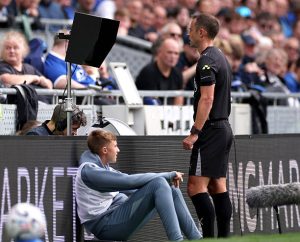
    Referee Stuart Attwell was advised to review the incident at the pitchside monitor after VAR officials concluded that Everton forward Brennan Johnson had been in an offside position and had interfered with Ipswich goalkeeper Christian Walton.

    Attwell subsequently overturned the goal.

    The decision immediately became the major talking point of the match, particularly because Johnson was not close to the ball when Barry made contact with the corner. Sky Sports reported that the VAR decision was based on Johnson being judged to have interfered with Walton’s line of sight.

    What has intensified the debate is the available replay footage.

    Johnson was positioned in front of Walton, but the ball travelled towards the opposite side of the goal, raising questions over whether his position actually prevented the goalkeeper from making an attempt to save Barry’s header.

    One report described the goalkeeper as being positioned on the opposite side of the goal from where the ball entered, while another noted that Walton did not appear to protest the decision.

    That has left Everton supporters questioning the threshold being used to determine what constitutes interference.

    Under the Laws of the Game, an offside-positioned player can be penalised if they clearly obstruct an opponent’s line of vision or otherwise interfere with an opponent. VAR can recommend an on-field review when there is a potential clear and obvious error in a goal or no-goal decision, but the final decision remains with the referee.

    The controversy is particularly significant because English refereeing has already been under intense scrutiny in recent weeks.

    The latest incident comes only days after another highly debated VAR decision in the Manchester derby prompted a review and public scrutiny of the officiating process.

    For Everton, the controversy did not ultimately cost them points.

    Barry’s earlier goal in the 11th minute proved decisive. James Tarkowski’s long-range effort struck Barry and wrong-footed Walton, giving Everton the lead. The Toffees then held on to secure a second league victory of the season and extend their unbeaten start.

    David Moyes’ side also had other opportunities to put the match beyond Ipswich, but they were unable to add another legitimate goal.

    Ipswich were reduced to ten men when Abdul Fatawu received a second yellow card for simulation in the 67th minute, making Everton’s failure to score again even more frustrating.

    Despite the controversy, Everton’s defensive resilience ultimately secured the result. Jordan Pickford made important saves, while Everton’s backline dealt with Ipswich’s late pressure to preserve the clean sheet.

    However, the argument surrounding Barry’s disallowed goal is unlikely to disappear quickly.

    The central question is simple: did Brennan Johnson’s offside position genuinely interfere with Christian Walton’s ability to save the header?

    Those defending the decision can point to the Laws of the Game, which allow a goal to be disallowed when an offside player clearly obstructs an opponent’s line of vision.

    Those questioning the decision argue that the goalkeeper appeared to have a clear enough view and that the ball travelled away from Johnson’s position.

    That difference in interpretation is precisely why VAR continues to generate heated debate.

    Everton may have walked away with the points, but the controversy has once again placed the spotlight on the officials and the increasingly fine margins being used to determine whether goals should stand.

    For supporters, the frustration is not simply about one disallowed goal. It is about consistency.

    If similar incidents are interpreted differently from one match to another, questions over VAR’s application will inevitably continue.

    For now, the official outcome remains unchanged: Everton 1-0 Ipswich.

    But the debate surrounding Thierno Barry’s disallowed second goal is only beginning.

    And Everton fans will undoubtedly be asking one question:

    Was this another case of VAR getting the decision right, or did technology turn a perfectly good goal into another officiating controversy?

  • “Wasted Talent?” Nicolas Jackson Fires back at Sky Sports Pundit Who Said He’s Throwing his Career Away By Moving To Aston Villa

    “Wasted Talent?” Nicolas Jackson Fires back at Sky Sports Pundit Who Said He’s Throwing his Career Away By Moving To Aston Villa

    Football punditry thrives on hot takes, reactionary soundbites, and sweeping declarations designed to provoke a reaction. When a player commands a high profile transfer, they instantly step into a fishbowl where every career move is picked apart by analysts eager to forecast doom or glory.

    Following his move to Aston Villa, striker Nicolas Jackson found himself at the center of a fierce media storm, with various commentators questioning his ambition and trajectory.

    Critics lined up to argue that swapping elite tier giants for Unai Emery’s ambitious Villa project represented a sideways step or worse, a squandering of his prime years.

    But in football, the ultimate response is never delivered in a television studio; it is written on the pitch, under the floodlights, when the pressure is at its absolute peak.

    The stage was set for a dramatic narrative as Aston Villa squared off against Tottenham Hotspur in a high stakes Premier League clash at the Tottenham Hotspur Stadium.

    The atmosphere crackled with intensity from the opening whistle, with both sets of supporters fully aware of the subplots swirling around the fixture.

    For Jackson, every touch of the ball carried extra weight as he sought to silence the relentless noise surrounding his switch.

    The match developed into a breathless, end to end encounter where spaces were tight, challenges were ferocious, and the margin for error was razor thin. Tottenham’s backline struggled to cope with the physical and direct movement of Villa’s attack.

    Throughout a pulsating first half which saw Johan Manzambi open the scoring for Villa deep in first-half stoppage time (45+4′) and into a chaotic second period, the match ebbed and flowed with breathtaking intensity.

    Emiliano Buendía added Villa’s third in the 79th minute, and despite late goals from Conor Gallagher (86′) and Jan Paul van Hecke (90+8′) for Spurs, it was Jackson’s moment of pure predatory instinct in the 67th minute rifling home to cap off a stellar individual display that proved decisive in a thrilling 3-2 victory.

    Instead of running toward the corner flag to soak in the adulation of the travelling fans, Jackson turned sharply toward the television camera lenses stationed on the touchline, locking eyes with the broadcast booth and holding up both hands to deliver an unmistakable, defiant thumbs down celebration. The provocative gesture immediately set social media ablaze, capturing the attention of millions worldwide.

    Post match, when the media scrum gathered in the bowels of the stadium, an interviewer eagerly cornered the forward and pressed him on the gesture, asking point blank if the thumbs down was directed squarely at Sky Sports pundit Jamie Redknapp, who had famously claimed on air that Jackson was throwing his career away by moving to Aston Villa.

    Without holding back, Jackson addressed the criticism head on, firing back at the pundit by highlighting how external voices love to construct narratives without understanding the internal ambition driving a player’s career.

    When the grinning interviewer followed up by slyly asking if the celebration was indeed a direct message to the former Tottenham and England midfielder, Jackson simply offered a knowing shake of his head, broke into a wide smile, and walked away, letting his match winning performance speak louder than any words ever could.

    That defining moment encapsulated the fiery resilience required to thrive at the highest level of the modern game.

    Critics can debate transfer strategies and punditry predictions all they want, but elite competitors are ultimately driven by belief, personal growth, and the trust of a manager who knows how to unlock their best form.

    By delivering a stellar display, scoring a crucial goal, and turning the media chatter into fuel, Jackson proved that his career trajectory is heading precisely where he wants it to.

    As the dust settles on a thrilling afternoon of Premier League action in North London, the echoes of Jackson’s defiant celebration will linger across television screens and newspaper columns alike.

    It served as a stark reminder that modern footballers are no longer willing to sit quietly while pundits dictate their worth.

    With three vital points secured and his scoring boots firmly strapped on, Nicolas Jackson has sent an emphatic message to his doubters: his story at Aston Villa is only just beginning, and he is writing the script entirely on his own terms.

  • West Ham legend JULIAN DICKS on ‘horrible’ trips to Millwall and the vile abuse he received and he reveals what he told nuno ahead of Saturday’s clash

    West Ham legend JULIAN DICKS on ‘horrible’ trips to Millwall and the vile abuse he received and he reveals what he told nuno ahead of Saturday’s clash

    Few fixtures in English football carry the raw, unfiltered hostility of a London derby against Millwall, a fixture where the air itself feels charged with decades of fierce animosity. For modern supporters who watch matches from comfortable stands or polished television broadcasts, it is easy to forget the sheer psychological and physical gauntlet players once had to run when stepping foot near the old Den.

    Long before the modern sanitized era of football, matches of this magnitude were fought out in an environment resembling a gladiatorial arena.

    It took a very specific kind of mental fortitude and a complete disregard for self preservation to thrive in those conditions, and very few players embodied that uncompromising spirit quite like West Ham legend Julian Dicks.

    Throughout his iconic career in claret and blue, Dicks earned the nickname “The Terminator” for his uncompromising tackles, iron willed leadership, and refusal to back down from any confrontation.

    But while he ruled the pitch with an authoritative iron fist, trips across London to face Millwall tested even his legendary resolve to the absolute limit.

    These encounters were never just about three points in the league table; they were territorial wars fought out under a backdrop of intense tribal hatred.

    For Dicks and his contemporaries, walking out of the tunnel meant entering a cauldron of pure hostility where every second on the pitch was met with an unyielding wall of noise and pressure from the stands.

    The true depth of that hostility was laid bare when Dicks opened up about his harrowing, ‘horrible’ trips to Millwall and the vile abuse he received, before revealing what he specifically told Nuno ahead of Saturday’s clash on what the Hammers must do to win against Millwall.

    Reflecting on his playing days, Dicks didn’t sugarcoat the sheer intimidation factor, recalling notorious afternoons where missiles rained down, coins flew from the stands, and hostile crowds made every throw in an exercise in survival including the infamous incident where he was struck by a brick thrown from the crowd while trying to retrieve the ball.

    Yet, rather than letting that intimidation deter him, Dicks channeled that exact fire into a blunt, no nonsense warning he delivered directly to manager Nuno before this weekend’s showdown.

    According to insiders, Dicks pulled the current West Ham boss aside to deliver a stark message: modern niceties must be checked at the door, and the players must be explicitly instructed to match Millwall’s raw aggression or risk being physically and mentally bullied off the pitch.

    That unvarnished piece of club wisdom cuts straight to the heart of what West Ham needs if they are to emerge victorious from this weekend’s high stakes battle.

    Dicks emphasized to the dugout that tactical shapes and possession stats mean absolutely nothing if a team lacks the stomach for a fight in the trenches.

    To conquer a hostile environment like Millwall, players cannot afford to shrink under the weight of the occasion; they have to embrace the chaos, win their individual physical duels, and show the same unrelenting grit that defined the club’s greatest historic generations.

    Dicks’ message serves as a stark reminder that winning a derby requires more than just technical ability it demands courage, collective resilience, and an unyielding desire to fight for every blade of grass.

    As the clock ticks down toward kick off and the tension across east London reaches boiling point, the echoes of Dicks’ warning will undoubtedly reverberate through the West Ham dressing room.

    Nuno and his squad have been left in no uncertain terms about what is expected when they cross that white line. The history of this fixture demands bravery, and the supporters expect nothing less than total commitment to the cause.

    If the current generation of players can harness even a fraction of the fearless mentality that Dicks displayed during his playing days, the Hammers will have every chance of silencing the hostile home crowd and securing a famous, hard fought victory.

  • Celtic Fans Take to the Streets Chanting “SACK MARTIN O’NEILL” After Ferencváros Defeat (3-1); But What They Demanded From the Players Is SHOCKING!

    Celtic Fans Take to the Streets Chanting “SACK MARTIN O’NEILL” After Ferencváros Defeat (3-1); But What They Demanded From the Players Is SHOCKING!

    Celtic’s difficult week has taken another dramatic turn after the Hoops suffered a painful 3-1 defeat to Ferencváros at Celtic Park, just days after their 3-0 loss to Rangers.

    The latest defeat has intensified frustration among supporters, with sections of the Celtic fanbase openly questioning the team’s performances and calling for changes. The atmosphere became increasingly hostile as the final whistle approached, with supporters booing the team after another disappointing performance.

    For Martin O’Neill, the defeat represents another major setback.

    Celtic had been expected to respond strongly after their heavy Old Firm defeat, particularly because the Ferencváros match was their Europa League opener. Instead, the team conceded three goals and suffered another damaging defeat in front of their home supporters.

    “SACK MARTIN O’NEILL”

    The frustration among supporters has now moved beyond simply criticising individual players.

    Some Celtic supporters have publicly called for O’Neill to be sacked following the consecutive defeats. Online fan discussions have included demands for the management to go, with some supporters arguing that the performances have become unacceptable.

    That reaction needs to be understood in the context of the results.

    Celtic were beaten 3-0 by Rangers at Ibrox before returning home and losing 3-1 to Ferencváros. In both matches, the team struggled to produce the response supporters wanted.

    Against Ferencváros, Celtic initially appeared capable of recovering after Mika Baur equalised shortly before half-time. However, Kristoffer Zachariassen restored the visitors’ advantage just before the break, before former Celtic player Daniel Arzani scored early in the second half to make it 3-1.

    From that point, Celtic were unable to produce the comeback their supporters were hoping for.

    But What Did the Fans Demand?

    The most striking part of the reaction was not simply the criticism of O’Neill.

    Supporters also demanded a much stronger response from the players themselves.

    The message from angry fans was essentially that wearing the Celtic shirt should come with responsibility, intensity and commitment. Supporters wanted the players to fight for every ball, show greater urgency and demonstrate that they understood the importance of representing the club.

    That frustration was reflected in the reaction at Celtic Park.

    Fans did not simply want an apology. They wanted a performance.

    They wanted players who would respond when the team was behind instead of appearing to lose confidence.

    They wanted intensity.

    They wanted character.

    And, most importantly, they wanted Celtic to start playing with the identity and aggression expected from a club of its stature.

    O’Neill Understands the Anger.

    Interestingly, O’Neill himself acknowledged the supporters’ frustration after the match.

    Following the 3-1 defeat, the Celtic manager accepted that the fans had every reason to be disappointed with the result. He also pointed to problems in the team’s attacking play, including opportunities that were not converted.

    That acknowledgement, however, is unlikely to immediately calm supporters.

    Football managers are ultimately judged by performances and results, and Celtic have now suffered back-to-back defeats against Rangers and Ferencváros.

    The pressure is therefore understandable.

    A Huge Test Is Coming

    The timing could hardly be more difficult for Celtic.

    After losing to Rangers and then Ferencváros, the team must quickly recover and rebuild confidence.

    The challenge for O’Neill is not only tactical. He also needs to restore belief among the supporters and convince his players that the difficult period can be reversed.

    The manager has insisted that Celtic can respond, but the next performances will be closely watched.

    For the supporters, patience may be running thin.

    They have seen their team concede six goals across two major matches, and the frustration inside Celtic Park was impossible to ignore.

    Whether the current anger develops into a sustained campaign against O’Neill remains to be seen.

    But one thing is clear: Celtic supporters are demanding a reaction.

    They want the players to fight.

    They want the manager to find solutions.

    And they want Celtic to start looking like the team they believe it should be.

    The question now is simple: Can Martin O’Neill turn things around, or has the frustration among Celtic supporters reached a point where major changes are being demanded?